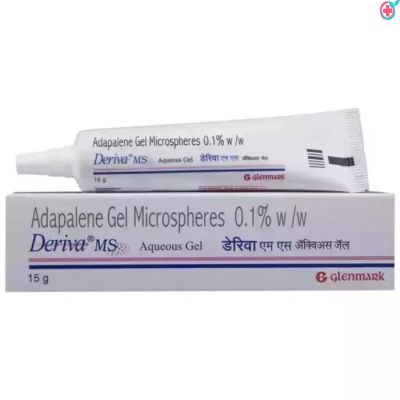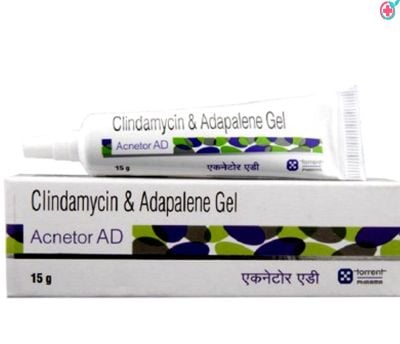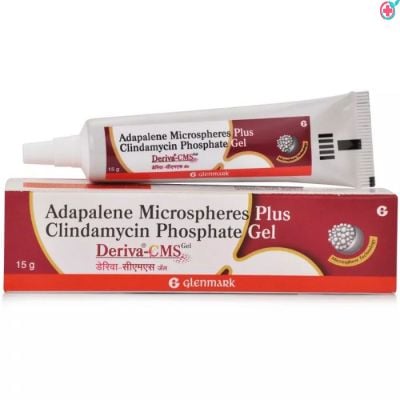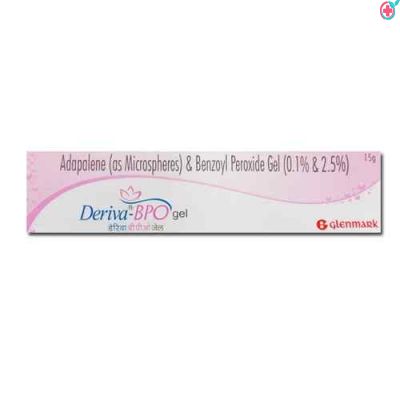
Adiff Gel (Adapalene) | Helps Reduce Acne, Prevent Breakouts and Improve Skin Texture
Adiff Gel Adapalene is the active ingredient in Differin Gel. It's a multi-benefit, dermatologist-suggested retinoid explicitly utilized for clearing skin inflammation. Adiff Gel treats skin breakout somewhere down in the pores at the source, keeps new skin inflammation from shaping, and because of diminished skin inflammation, reestablishes your skin's normal surface and tone. Adapalene has been determined to reach more than 40 million individuals in recent years.


Product Overview
Adiff Gel is a topical retinoid formulation containing Adapalene (0.1% w/w), a third-generation retinoid specifically engineered to treat acne vulgaris. Unlike older generations of retinoids, Adapalene is noted for its enhanced stability and a more favorable tolerability profile. It works by normalizing skin cell differentiation and modulating the inflammatory pathways within the skin, making it a cornerstone therapy for both active acne and the maintenance of clear skin.
Product Composition
- Active Ingredient: Adapalene (0.1% w/w)
- Formulation Type: Aqueous, oil-free gel base.
- Key Characteristics: Non-comedogenic, non-acnegenic, and fragrance-free.
- Excipients: Designed for rapid, even distribution across the skin surface with minimal residual tackiness.
Product Specifications
| Feature | Details |
| Brand Name | Adiff Gel |
| Generic Name | Adapalene |
| Therapeutic Category | Topical Retinoid |
| Formulation | Gel |
| Strength | 0.1% |
| Target Condition | Acne Vulgaris (Mild to Moderate) |
Mechanism of Action
- Comedolytic Activity: Adapalene binds specifically to retinoic acid nuclear receptors. This regulates the hyper-proliferation of follicular epithelial cells, preventing the formation of microcomedones—the microscopic precursors to all acne lesions.
- Anti-Inflammatory Modulation: It significantly inhibits the chemotactic and chemokinetic responses of human polymorphonuclear leukocytes, effectively reducing the inflammation associated with papules and pustules.
- Cell Turnover: By accelerating the turnover of skin cells, it promotes the shedding of dead cells, keeping pores clear and preventing the buildup of debris that feeds acne-causing bacteria.
Key Benefits
- Reduced Irritation: Compared to traditional retinoic acid (tretinoin), Adapalene is less irritating to the skin, improving long-term patient compliance.
- Photostability: Adapalene is chemically stable in the presence of light and air, allowing for consistent efficacy throughout the treatment duration.
- Deep Pore Cleansing: Effectively unclogs pores by normalizing the skin's natural desquamation (peeling) process.
- Prevention Focused: Beyond treating existing acne, consistent use helps prevent the formation of new lesions.
Precautions
Medical Supervision
- Use Adiff Gel (Adapalene) only under a dermatologist’s prescription
- Do not increase frequency or quantity without medical advice
- Initial irritation is common and should be monitored closely
Application Guidelines
- Apply a thin layer once daily, preferably at night, on clean and dry skin
- Avoid applying excessive amount as it increases irritation risk
- Wash hands before and after application
- Avoid contact with eyes, lips, nostrils, and mucous membranes
Skin Sensitivity
- Mild redness, dryness, peeling, or burning may occur in early use
- Avoid harsh scrubs, exfoliants, or alcohol-based skincare products
- Reduce frequency if irritation becomes severe
Sun Exposure
- Adapalene increases sensitivity to sunlight
- Avoid direct sun exposure and tanning beds
- Use broad-spectrum sunscreen daily during treatment
Combination Use
- Avoid using with other retinoids or strong acne medications unless prescribed
- Do not combine with chemical peels or strong exfoliating acids without medical advice
Special Populations
- Not recommended during pregnancy unless clearly prescribed by a doctor
- Use in breastfeeding women only under medical supervision
- Pediatric use should be guided by a dermatologist
| Precaution Type | Recommendation |
|---|---|
| Application timing | Use once daily at night |
| Sun protection | Daily sunscreen is required |
| Skin sensitivity | Expect mild irritation initially |
| Combination therapy | Avoid mixing with strong actives |
| Dosage control | Apply thin layer only |
| Monitoring | Stop use if severe irritation occurs |
Usage
To achieve optimal results with Adiff Gel while minimizing skin sensitivity, follow these clinical application guidelines.
Dosage
Application Frequency: Apply once daily, typically in the evening before bedtime.
Treatment Duration: Consistency is essential. While initial improvements may be visible early on, continue use for a minimum of 12 weeks to achieve maximum therapeutic effect and long-term control.
Adjustment Period: If your skin is sensitive, start by applying the gel every other night for the first two weeks to allow the skin barrier to acclimate to the Adapalene.
Administration
Preparation: Cleanse your face with a mild, non-irritating cleanser and pat the skin completely dry. Applying Adiff Gel to damp skin can increase absorption and potential irritation.
Application Technique: Dispense a pea-sized amount of gel. Dot it onto your forehead, cheeks, nose, and chin, and then gently spread it into a thin, even layer over the entire affected area. Avoid direct contact with the eyes, lips, and nostrils.
Aftercare: After the gel has been absorbed, you may follow with a fragrance-free, non-comedogenic moisturizer to maintain skin hydration and comfort.
Administration Guidelines
| Instruction | Recommended Action |
| Timing | Once daily at bedtime |
| Skin Prep | Must be applied to completely dry skin |
| Coverage | Apply to the entire affected area, not just spots |
| Sun Safety | Use daily sunscreen (SPF 30+) |
Uses
Acne Vulgaris Management: Effectively treats mild to moderate acne by addressing both clogged pores and inflammatory lesions.
Comedone Regulation: Normalizes the skin's cell turnover process, helping to eliminate blackheads and whiteheads.
Prevention: Serves as an excellent maintenance therapy to prevent the formation of new acne lesions by halting the development of microcomedones.
Skin Texture Refinement: With long-term use, the acceleration of cell turnover can lead to improved skin smoothness and a more even skin tone.
Side effects
Common Side Effects
- Skin dryness
- Redness or irritation
- Peeling or flaking
- Mild burning or stinging sensation
- Increased sensitivity to sunlight
Less Common Side Effects
- Itching or mild discomfort
- Skin tightness
- Temporary worsening of acne during initial weeks (purging)
- Mild swelling or inflammation
Serious Side Effects
| Serious Side Effect | Symptoms | What to Do |
|---|---|---|
| Severe skin irritation | Intense redness, burning, swelling | Stop use and consult doctor |
| Allergic reaction | Rash, hives, facial swelling | Discontinue immediately and seek medical help |
| Severe peeling | Painful skin shedding or raw skin | Stop treatment and get medical advice |
| Chemical burn (rare) | Blistering or severe skin damage | Seek urgent medical care |
| Persistent acne worsening | Severe breakout beyond initial phase | Consult dermatologist |
Monitoring
Skin Response Monitoring
- Expect mild irritation and dryness in early stages
- Monitor gradual improvement in acne and skin texture
- Adjust frequency if irritation becomes excessive
Acne Progress Monitoring
- Temporary flare-up (purging) may occur initially
- Track reduction in pimples and blackheads over time
Sun Sensitivity Monitoring
- Watch for increased sensitivity to sunlight
- Use sunscreen daily and avoid prolonged sun exposure
Safety Monitoring
- Stop use if severe irritation, rash, or allergic reaction occurs
- Consult dermatologist if symptoms persist or worsen over time
FAQs
Q: What is Adiff Gel primarily used for?
A: Adiff Gel is used for the topical treatment of acne vulgaris. It is particularly effective at clearing blackheads and whiteheads while also helping to reduce inflammatory pimples.
Q: How long does it take to see results with Adapalene?
A: While some users notice a difference in 1 to 4 weeks, it typically takes 8 to 12 weeks of consistent, nightly use to see the full therapeutic benefit of the medication.
Q: Can I use Adiff Gel as a spot treatment?
A: No. Adiff Gel is designed to be applied as a thin layer over the entire area prone to acne (such as the whole face). This prevents new microcomedones from forming, rather than just treating existing spots.
Q: Is it normal for my skin to peel or turn red when I start using it?
A: Yes, mild redness, dryness, and scaling are common side effects during the first few weeks as your skin adjusts to the retinoid. If irritation becomes severe, consult your dermatologist about adjusting your application schedule.
Q: Does Adiff Gel cause "purging"?
A: Some users experience a temporary flare-up of acne during the first few weeks of treatment. This occurs as the gel clears out existing blockages deep within the pores. This "purge" usually subsides as the skin continues to heal.
Q: Can I use Adiff Gel during the day?
A: Retinoids are traditionally applied at night. Although Adapalene is more light-stable than older retinoids, it is still recommended for evening use to ensure maximum efficacy and to reduce the risk of sun sensitivity.
Q: Should I avoid sun exposure while using this gel?
A: Yes. Adapalene makes your skin more susceptible to sunburn. You should minimize exposure to UV light and always apply a broad-spectrum sunscreen of at least SPF 30 during the day.
Q: Can I use it if I am pregnant?
A: Use of topical retinoids like Adiff Gel is generally not recommended during pregnancy. If you are pregnant, planning to become pregnant, or breastfeeding, consult your healthcare provider for alternative treatments.
Interactions
Other Retinoid Products
- Avoid using Adiff Gel (Adapalene) with other retinoids such as tretinoin or isotretinoin products
- Combining retinoids may lead to excessive dryness, peeling, and skin irritation
- Use only one retinoid treatment unless prescribed by a dermatologist
Exfoliating Agents
- Avoid AHAs, BHAs, glycolic acid, salicylic acid, and other strong exfoliants
- These combinations can significantly increase skin sensitivity and irritation
- If required, use on alternate days under medical guidance
Benzoyl Peroxide Products
- May be used in combination only if advised by a doctor
- Unsupervised use can increase dryness and irritation
- Some regimens use them at different times of the day under supervision
Alcohol-Based Skincare
- Toners or cleansers containing alcohol may worsen dryness and irritation
- Prefer gentle, hydrating, and non-irritating skincare products
Cosmetic Products
- Heavy or comedogenic makeup may clog pores and reduce treatment effectiveness
- Allow gel to fully absorb before applying cosmetics
- Use non-comedogenic skincare and makeup products
Photosensitizing Agents
- May increase skin sensitivity when combined with other photosensitizing drugs
- Strict sunscreen use is necessary during treatment
| Interacting Product Type | Possible Effect | Recommendation |
|---|---|---|
| Other retinoids | Severe dryness and peeling | Avoid combination |
| AHAs/BHAs exfoliants | Increased irritation and sensitivity | Do not combine |
| Benzoyl peroxide | Excess dryness and redness | Use only if prescribed |
| Alcohol-based products | Skin irritation and dryness | Avoid during treatment |
| Comedogenic cosmetics | Pore blockage and reduced effect | Use non-comedogenic products |
| Photosensitizing drugs | Increased sun sensitivity | Use sunscreen daily |
| Manufacturer | : | Ipca Laboratories Ltd |
| Trade Name | : | Differin |
| Generic Search | : | Adapalene |
| Strength | : | 15gm |
Certified Content

Dr. Priya Nair
Clinical Pharmacist & Senior Drug Information Specialist | 9 years
Pharm.D. (Doctor of Pharmacy)
Latest Products