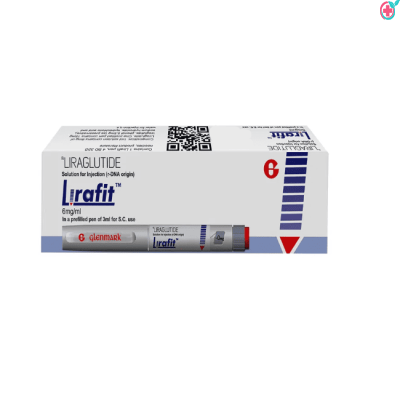
Victoza 6 (Liraglutide 6mg/ml) Injection Used to Treat Type 2 Diabetes
Victoza 6 mg Injection is an antidiabetic medicine used in the treatment to improve blood sugar control in adults with type 2 diabetes. Patients are advised to follow a strict diet and exercise regimen along with this medicine for the best possible effect. This medicine is not recommended for use in patients with type 1 diabetes and diabetic ketoacidosis.


Product Overview
Victoza is a non-insulin, injectable primarily used for the management of Type 2 Diabetes Mellitus. It contains Liraglutide, a recombinant GLP-1 receptor agonist. Specifically formulated at a concentration of 6mg/ml, It functions by mimicking the natural "incretin" hormones in the body that help regulate blood sugar levels, especially after eating. It helps regulate insulin secretion, reduce appetite, and support weight management when combined with diet and exercise.
This medication is recognized not only for its glycemic control capabilities but also for its significant cardiovascular benefits. Victoza 6mg/ml is often prescribed to adults with type 2 diabetes to reduce the risk of major adverse cardiovascular events, such as heart attack or stroke. It comes in a pre-filled, multi-dose injection pen, allowing for precise and convenient daily administration.
Product Composition
The formulation utilizes advanced protein engineering to ensure a long-lasting effect in the bloodstream.
- Active Ingredient: Liraglutide (6mg per ml of solution).
- Drug Class: Glucagon-like Peptide-1 (GLP-1) Receptor Agonist.
- Inactive Ingredients: Includes Disodium phosphate dihydrate, Propylene glycol, and Phenol as a preservative.
- Delivery System: A pre-filled, disposable Victoza pen designed to deliver doses of 0.6 mg, 1.2 mg, or 1.8 mg.
Product Specification
| Feature | Details |
| Brand Name | Victoza |
| Generic Name | Liraglutide |
| Concentration | 6 mg / ml |
| Dosage Form | Subcutaneous Injection |
| Packaging | 3 ml pre-filled pens (18 mg per pen) |
| Primary Indication | Type 2 Diabetes Mellitus |
Mechanism of Action
Victoza works by activating the GLP-1 receptors in the pancreas and brain to regulate glucose metabolism:
- Glucose-Dependent Insulin Secretion: It stimulates the pancreas to release the right amount of insulin when blood sugar levels are high.
- Glucagon Suppression: It lowers the secretion of glucagon, a hormone that causes the liver to release stored sugar into the bloodstream.
- Gastric Emptying: It slows down the rate at which food leaves the stomach, leading to a more gradual rise in postprandial blood sugar.
- Appetite Regulation: By acting on the brain’s hunger centers, it increases feelings of fullness, which often results in weight reduction in diabetic patients.
Key Benefits
- Superior A1C Reduction: Highly effective at lowering HbA1c levels and helping patients reach their target blood glucose goals.
- Cardiovascular Protection: Proven to reduce the risk of cardiovascular death, non-fatal myocardial infarction, and non-fatal stroke.
- Weight Management: Unlike many other diabetes medications, Victoza often aids in weight loss, which is beneficial for managing insulin resistance.
- Low Hypoglycemia Risk: Because it only stimulates insulin when blood sugar is high, the risk of "low sugar" episodes is minimal when used alone.
- Convenient Once-Daily Dosing: The 6mg/ml pen allows for a simple, once-a-day injection at any time, regardless of meal schedules.
Precautions
General Safety Guidelines
- Use Victoza 6 (Liraglutide 6mg/ml) exactly as prescribed for type 2 diabetes management
- Inject once daily at the same time each day for consistent blood sugar control
- Do not increase or decrease the dose without medical advice
- Follow diet and exercise plan recommended by your healthcare provider
- Do not share the injection pen with others
Injection and Usage Safety
- Inject only under the skin (subcutaneous use only)
- Rotate injection sites (abdomen, thigh, or upper arm) to avoid irritation
- Do not use if the solution is cloudy or contains particles
- Always use a new needle for each injection
- Store properly as instructed to maintain effectiveness
Pancreas and Gastrointestinal Considerations
- May increase risk of pancreatitis; report severe abdominal pain immediately
- Can cause nausea, vomiting, or reduced appetite, especially at the start
- Use cautiously if you have a history of gastrointestinal disorders
- Stay hydrated to prevent dehydration from vomiting or diarrhea
Health and Medical Considerations
| Condition | Precaution |
|---|---|
| Type 1 diabetes | Not recommended for use |
| Pancreatitis history | Increased risk; use only under strict supervision |
| Thyroid disorders | Use cautiously; report neck swelling or lumps |
| Kidney disease | Monitor kidney function during treatment |
| Liver disease | May require dose adjustment and monitoring |
Hypoglycemia Risk
- Risk increases when used with insulin or sulfonylureas
- Monitor blood sugar regularly as advised
- Carry a quick source of sugar in case of low blood sugar symptoms
- Recognize symptoms like dizziness, sweating, and confusion
Pregnancy and Breastfeeding
- Not recommended during pregnancy unless clearly prescribed
- Use only if benefits outweigh risks during breastfeeding
- Consult doctor if planning pregnancy
Lifestyle and Monitoring
- Follow a balanced diet and regular exercise plan
- Avoid alcohol as it may affect blood sugar control
- Monitor weight, blood glucose, and digestive symptoms regularly
- Attend regular medical check-ups for treatment evaluation
Storage and Handling Guidelines
- Store in refrigerator as per instructions (do not freeze)
- Keep away from heat and direct sunlight
- Discard pen after recommended usage period
- Keep out of reach of children
Usage
Victoza (Liraglutide) is administered as a subcutaneous injection once daily. To ensure maximum efficacy and minimize gastrointestinal side effects, the dosage is typically increased gradually during the first few weeks of treatment.
Dosage and Administration
The Victoza pen is designed to deliver three specific doses. Your healthcare provider will guide you through a titration schedule to allow your body to adjust to the GLP-1 receptor agonist.
| Phase | Daily Dosage | Duration |
| Starting Dose | 0.6 mg | Week 1 (to improve tolerability) |
| Standard Dose | 1.2 mg | Week 2 onwards |
| Maximum Dose | 1.8 mg | If additional glycemic control is needed |
How to Use the Victoza Pen:
Injection Sites: Inject subcutaneously into the abdomen, thigh, or upper arm. Rotate your injection sites daily to avoid skin thickening or lumps (lipohypertrophy).
Timing: Administer your dose once daily at any time that is convenient for you. It can be taken with or without food.
Pen Preparation: Always use a new needle for each injection. Clear the air bubbles (check the flow) before the first use of a new pen.
Administration: Insert the needle, press the button, and hold for 6 seconds to ensure the full dose of Liraglutide is delivered.
Storage While in Use: Once opened, the Victoza pen can be kept at room temperature (below 30°C) or in the refrigerator for up to 30 days.
Storage and Handling
Unopened Pens: Store unused pens in the refrigerator between 2°C to 8°C. Do not freeze.
Needle Safety: Never store the pen with the needle attached. Dispose of used needles in a designated sharps container.
Travel: If traveling, keep the pen away from extreme heat or direct sunlight to prevent the protein-based medication from breaking down.
Uses
Victoza 6mg/ml is a multi-functional treatment aimed at improving long-term health outcomes for patients with metabolic disorders.
Primary Indications
Type 2 Diabetes Management: Used as an adjunct to diet and exercise to improve glycemic control in adults and children 10 years and older.
Cardiovascular Risk Reduction: Indicated to reduce the risk of major adverse cardiovascular events (heart attack, stroke, or cardiovascular death) in adults with Type 2 Diabetes and established heart disease.
HbA1c Stabilization: Helps patients maintain stable blood sugar levels throughout the day and night, reducing the long-term complications of diabetes.
Secondary Benefits
Weight Loss Support: While not its primary FDA-approved use (unlike its higher-dose counterpart, Saxenda), many patients experience weight reduction due to slowed gastric emptying and increased satiety.
Beta-Cell Support: Emerging evidence suggests that GLP-1 therapy may help preserve the function of insulin-producing beta cells in the pancreas.
Blood Pressure Regulation: Some patients observe a modest reduction in systolic blood pressure while on Liraglutide therapy.
Kidney Protection: By improving metabolic markers and reducing systemic inflammation, it may offer indirect nephroprotective benefits for diabetic patients.
Side Effects
Common Side Effects
- Nausea
- Vomiting
- Diarrhea
- Constipation
- Loss of appetite
- Headache
- Indigestion or stomach discomfort
- Fatigue or weakness
Serious Side Effects
- Severe abdominal pain (possible pancreatitis)
- Persistent vomiting or dehydration
- Signs of allergic reaction such as rash, swelling, or breathing difficulty
- Severe hypoglycemia (especially with insulin or sulfonylureas)
- Gallbladder problems such as pain in upper right abdomen or jaundice
- Kidney problems due to dehydration
Long-Term or Rare Side Effects
| Side Effect | Description |
|---|---|
| Pancreatitis risk | Inflammation of the pancreas in rare cases |
| Thyroid concerns | Possible thyroid C-cell tumor risk (based on animal studies) |
| Gallstones | Increased risk with long-term weight loss and use |
| Gastrointestinal slowing | Delayed stomach emptying in some patients |
| Injection site reactions | Redness, itching, or swelling at injection area |
Monitoring Tips
- Monitor blood sugar regularly to prevent hypoglycemia
- Watch for severe abdominal pain or persistent nausea
- Stay hydrated to reduce risk of kidney complications
- Report any swelling in neck or difficulty swallowing immediately
- Attend regular medical check-ups for long-term safety monitoring
Interactions
Drug Interactions
- Insulin and sulfonylureas may increase risk of hypoglycemia (low blood sugar)
- Other antidiabetic medicines may require dose adjustment when used together
- Warfarin and other blood thinners may need closer monitoring of INR levels
- Oral medications may have delayed absorption due to slowed gastric emptying
- Other GLP-1 receptor agonists should not be used together with liraglutide
Health and Disease Interactions
| Condition | Interaction Effect |
|---|---|
| Type 1 diabetes | Not effective and not recommended |
| Pancreatitis history | Increased risk of recurrence |
| Thyroid disorders | Possible risk of thyroid C-cell tumors (monitor symptoms) |
| Kidney disease | Risk of worsening dehydration-related kidney issues |
| Gastrointestinal disorders | May worsen nausea, vomiting, or delayed gastric emptying |
Food and Lifestyle Interactions
- Alcohol may increase risk of hypoglycemia and worsen nausea
- High-fat meals may increase gastrointestinal side effects
- Irregular eating patterns may affect blood sugar stability
- Staying hydrated helps reduce risk of dehydration from side effects
Medication Timing Considerations
- Take once daily at the same time for stable blood sugar control
- If combined with insulin, follow strict dosing schedule to avoid hypoglycemia
- Do not double dose if a dose is missed
- Always follow physician instructions for combination therapy
Herbal and Supplement Interactions
- Supplements that lower blood sugar (like berberine or chromium) may increase hypoglycemia risk
- Weight-loss supplements may enhance gastrointestinal side effects
- Always inform your doctor about all herbal or OTC products being used
| Manufacturer | : | Novo - Nordisk, Denmark |
| Trade Name | : | Victoza |
| Generic Search | : | Liraglutide |
| Strength | : | 6mg |
Certified Content

Dr. Priya Nair
Clinical Pharmacist & Senior Drug Information Specialist | 9 years
Pharm.D. (Doctor of Pharmacy)
Latest Products