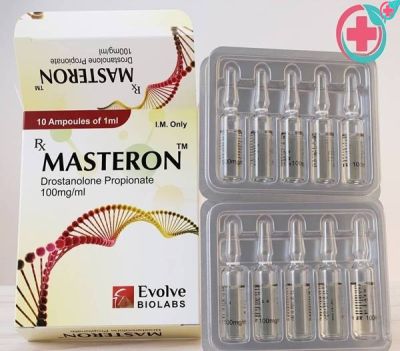
Test- E Injection (Testosterone Enanthate) | Depo Testosterone | Used to Treat Hypogonadism in Men by Boosting Testosterone Level
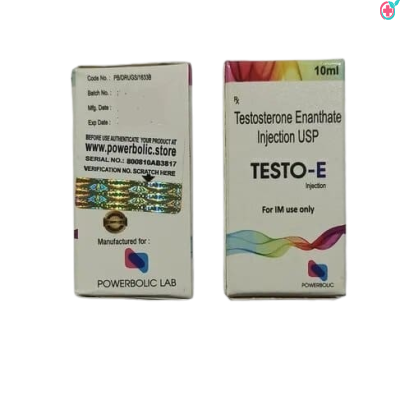
Test-E Injection (Testosterone Enanthate) is a long-acting testosterone replacement therapy (TRT) injection used to treat low testosterone (male hypogonadism). It helps restore healthy testosterone levels, supporting muscle mass, strength, energy, libido, bone health, mood, and overall male hormonal well-being through a sustained-release formulation.


Product Overview
Test-E Injection contains Testosterone Enanthate, a long-acting ester of testosterone that is gradually released into the bloodstream after injection. It is primarily used in testosterone replacement therapy (TRT) for men with clinically low testosterone levels. By restoring testosterone to normal physiological levels, Test-E helps maintain male sexual characteristics, supports muscle growth and strength, improves bone density, promotes red blood cell production, and enhances overall physical and sexual health.
Product Composition
- Testosterone Enanthate – Active ingredient
- Long-acting testosterone ester
- Androgen hormone replacement therapy
Product Specification
| Parameter | Details |
| Active Ingredient | Testosterone Enanthate |
| Medicine Class | Androgen Hormone |
| Dosage Form | Injection |
| Main Action | Restores and maintains testosterone levels |
| Therapeutic Use | Testosterone replacement therapy (TRT) for male hypogonadism |
Key Benefits
- Restores Healthy Testosterone Levels:
Helps replenish testosterone in men with clinically low hormone levels. - Supports Muscle Growth and Strength:
Promotes lean muscle mass, physical strength, and exercise performance. - Boosts Energy and Vitality:
Helps reduce fatigue and improve overall well-being associated with testosterone deficiency. - Maintains Bone Health:
Supports healthy bone density and skeletal strength. - Improves Sexual Health:
Helps enhance libido, sexual function, and other symptoms related to low testosterone.
Precaution
| Condition / Situation | Precaution |
| Prostate disorders | Inform about enlarged prostate or a history of prostate cancer before treatment |
| Heart, kidney, or liver disease | Use cautiously as testosterone may cause fluid retention |
| High red blood cell count | Monitoring may be required, as testosterone can increase red blood cell production |
| Sleep apnea | Monitoring may be required, as testosterone can increase red blood cell production |
| Fertility planning | Testosterone therapy may reduce sperm production and affect fertility |
Important Precaution Points
- Prostate health:
Testosterone therapy should be used cautiously in people with prostate-related conditions, as regular monitoring may be necessary. - Heart, liver, and kidney health:
Fluid retention can occur in some individuals, so people with heart, liver, or kidney problems should discuss suitability before treatment. - Blood health:
Testosterone may increase red blood cell production. Periodic monitoring may be recommended to help prevent complications. - Sleep apnea:
People with obstructive sleep apnea or symptoms such as loud snoring and interrupted breathing during sleep should inform before starting therapy. - Fertility considerations:
Long-term testosterone replacement therapy may reduce natural testosterone production and sperm count, which can affect fertility.
Side Effects
Common Side Effects
- Skin Reactions:
Redness, itching, irritation, or dryness at the application area may occur. - Acne or Oily Skin:
Increased testosterone activity may contribute to changes in skin oil production. - Mood Changes:
Some individuals may experience changes in mood, irritability, or emotional changes. - Increased Sweating:
Changes in hormone activity may increase sweating in some users. - Breast Tenderness:
Mild breast sensitivity or discomfort may occur.
Less Common Side Effects
- Increased hair growth
- Changes in libido
- Headache
- Weight changes
- Fluid retention or mild swelling
- Changes in sleep patterns
Serious Side Effects
| Condition | Detail |
| Increased red blood cell count | Testosterone may increase red blood cell levels, which may require monitoring |
| Urinary problems | Difficulty urinating or changes in urine flow should be evaluated |
| Prostate-related changes | New or worsening prostate symptoms should be discussed |
Important Side Effects
- Mild skin irritation, redness, or dryness at the application site may occur and is usually manageable.
- Temporary acne, oily skin, or increased sweating may occur due to hormone changes.
- Mood or energy changes may be noticed as testosterone levels adjust.
- Mild fluid retention or breast tenderness can occur in some individuals.
FAQs
Q. What is Test-E Injection used for?
Test-E Injection is used as testosterone replacement therapy (TRT) to treat men with low testosterone (male hypogonadism).
Q. How does Test-E Injection work?
It gradually releases Testosterone Enanthate into the bloodstream, helping restore and maintain healthy testosterone levels.
Q. How long does Test-E Injection last?
It is a long-acting injection that provides sustained testosterone release. The dosing interval depends on individual treatment requirements.
Q. Can Test-E Injection improve muscle mass?
Yes, restoring normal testosterone levels may help support lean muscle mass, strength, and physical performance in men with testosterone deficiency.
Q. Does Test-E Injection improve libido?
Yes, testosterone replacement therapy may help improve reduced sexual desire associated with low testosterone.
Q. Can Test-E Injection affect fertility?
Yes, long-term testosterone therapy may reduce sperm production and temporarily affect male fertility.
Q. Can women use Test-E Injection?
Test-E Injection is primarily intended for testosterone replacement in men and is generally not used in women except in specific medical situations.
Q. Does Test-E Injection cause weight gain?
Some individuals may notice weight changes due to increased muscle mass or temporary fluid retention.
Q. Can Test-E Injection be taken with other medicines?
Yes, but medicines such as blood thinners, diabetes medicines, corticosteroids, and other hormone therapies may interact with testosterone.
Q. How often is Test-E Injection administered?
The injection schedule varies depending on testosterone levels, treatment goals, and individual response.
| Manufacturer | : | Evolve Biolabs |
| Trade Name | : | Delatestryl |
| Generic Search | : | Testosterone Enanthate |
| Strength | : | 250mg |
Certified Content

Dr. Priya Nair
Clinical Pharmacist & Senior Drug Information Specialist | 9 years
Pharm.D. (Doctor of Pharmacy)
Latest Products