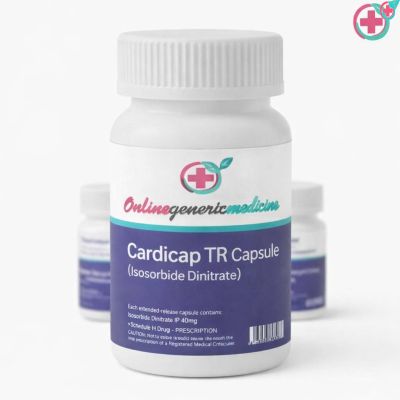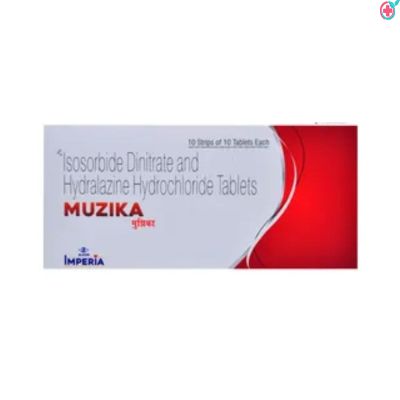
Sorbitrate Tablet (Isosorbide Dinitrate) 5mg, 10mg Used to Treat & Prevent Heart-Related Chest Pain (Angina)
Sorbitrate Tablet (Isosorbide Dinitrate) is used for the prevent and manage of angina pectoris (chest pain due to coronary artery disease) or heart failure. It works by relaxing and widening blood vessels, improving blood flow and oxygen supply to the heart. Sorbitrate tablets belong to a class of blood pressure medications called "nitrate vasodilators" .


Product Overview
Sorbitrate is a medicine used primarily to treat chest pain (angina) and manage heart failure. It belongs to a class of drugs called nitrate vasodilators, which work by relaxing and widening blood vessels, improving blood flow to the heart. Sorbitrate is a potent anti-anginal medication containing Isosorbide Dinitrate, which belongs to the pharmacological class of organic nitrates. Sorbitrate works as a powerful vasodilator, relaxing the smooth muscles within the blood vessels to improve blood flow and oxygen delivery to the heart muscle. By reducing the workload on the heart, it helps prevent the oxygen supply-demand mismatch that leads to anginal episodes.
Product Composition
- Active Ingredient: Isosorbide Dinitrate
- Strengths: Commonly available in 5 mg and 10 mg tablets
- Dosage Form: Oral or Sublingual tablets
- Pharmacological Class: Vasodilator / Organic Nitrate
- Chemical Group: Nitrogenous organic compound
Product Specification
| Feature | Details |
| Primary Indication | Angina Pectoris (Prevention & Treatment) |
| Onset of Action | 2 to 5 minutes (Sublingual); 20 to 40 minutes (Oral) |
| Duration of Action | 1 to 2 hours (Sublingual); 4 to 6 hours (Oral) |
| Route of Administration | Sublingual or Oral |
| Storage | Store in a cool, dry place away from direct light |
Mechanism of Action
- Nitric Oxide Release: Once metabolized, the medication releases nitric oxide (NO) in the vascular smooth muscle.
cGMP Activation: Nitric oxide stimulates the enzyme guanylate cyclase, increasing levels of cyclic guanosine monophosphate (cGMP). - Vasodilation: Elevated cGMP leads to the relaxation of both peripheral arteries and veins, though the effect on veins (venodilation) is most prominent.
- Preload Reduction: By dilating the veins, it reduces the volume of blood returning to the heart (preload), which lowers the pressure inside the heart chambers.
- Afterload Reduction: It also relaxes peripheral arteries, reducing the resistance the heart must pump against (afterload), further decreasing myocardial oxygen demand.
Key Benefits
- Rapid Symptom Relief: The sublingual form provides fast-acting relief during an acute angina attack.
- Effective Prevention: Regular oral dosing helps reduce the frequency and severity of chest pain episodes.
- Enhanced Exercise Tolerance: By optimizing oxygen delivery, it allows patients with heart conditions to engage in physical activity with less discomfort.
- Flexible Administration: Available in different forms to serve as both an emergency treatment and a long-term maintenance therapy.
- Proven Cardiac Support: A long-standing, trusted treatment for managing stable and unstable angina pectoris.
Precautions
General Precautions
- Take Sorbitrate Tablet (Isosorbide Dinitrate) exactly as prescribed by your doctor
- Do not stop the medicine suddenly without medical advice
- Sit or lie down after taking the tablet if dizziness occurs
- Avoid self-adjusting the dose or frequency of use
- Store the medicine in a cool, dry place away from light and moisture
Medical History Precautions
- Inform your doctor if you have low blood pressure (hypotension)
- Tell your doctor if you have a history of heart attack, heart failure, or stroke
- Disclose any history of anemia or blood disorders
- Inform your doctor if you have glaucoma or thyroid disorders
Lifestyle Precautions
- Avoid alcohol as it may cause severe drop in blood pressure
- Avoid sudden position changes (standing up quickly) to prevent dizziness or fainting
- Follow a heart-healthy diet and lifestyle as advised by your doctor
- Do not drive or operate machinery if you feel dizzy or lightheaded
Drug and Health Safety
| Condition / Situation | Precaution |
|---|---|
| Low blood pressure | May cause severe hypotension and dizziness |
| Heart conditions | Requires careful dose monitoring |
| Alcohol use | Increases risk of severe hypotension |
| Elderly patients | Higher sensitivity to blood pressure changes |
| Dehydration | May worsen hypotension and fainting risk |
Usage
Dosage and Administration
Prescription Adherence: Use this medication only as directed by your physician. The dose and frequency depend on whether you are treating an acute attack or preventing future episodes.
Sublingual Administration: For immediate relief of chest pain, place the tablet under the tongue and allow it to dissolve. Do not swallow, chew, or crush sublingual tablets.
Oral Administration: For long-term prevention, swallow the tablet whole with a glass of water. It is typically taken 2 to 3 times daily.
Nitrate-Free Interval: To prevent the body from developing a tolerance, your doctor may suggest a "nitrate-free" period of 8 to 12 hours (usually overnight) when no medication is taken.
Positioning: When taking a dose for an acute attack, it is best to sit down, as the medication can cause a sudden drop in blood pressure and dizziness.
Administration Guidelines
| Scenario | Recommendation |
| Acute Angina | Use the sublingual form at the first sign of chest pain. If pain persists after 3 doses (5 minutes apart), seek emergency help. |
| Postural Hypotension | To avoid dizziness, rise slowly from a sitting or lying position. |
| Storage | Keep the tablets in the original glass container and close the cap tightly immediately after use. |
| Alcohol | Avoid alcohol consumption as it can severely drop your blood pressure when combined with this drug. |
Uses
Treatment of Acute Angina: Provides rapid relief of sudden chest pain by quickly dilating the coronary arteries and improving blood flow.
Prophylaxis of Angina Pectoris: Taken regularly to reduce the frequency and severity of chest pain episodes in patients with chronic stable angina.
Congestive Heart Failure Support: Used as an adjunctive treatment to reduce the workload on the heart by decreasing the pressure in the veins and arteries.
Pre-Activity Prevention: Can be taken 5 to 10 minutes before physical exercise or stressful situations known to trigger anginal attacks.
Management of Vasospastic Angina: Helps prevent spasms in the coronary arteries (Prinzmetal's angina) that restrict oxygen to the heart muscle.
Reduction of Cardiac Preload: Lowers the amount of blood returning to the heart, which helps the heart pump more efficiently with less effort.
Side Effects
Sorbitrate Tablet (Isosorbide Dinitrate) is generally well tolerated when used as prescribed, but some patients may experience side effects, especially during initiation of therapy or dose adjustment.
Common Side Effects
- Headache (most common)
- Dizziness or lightheadedness
- Flushing (warmth and redness of face)
- Low blood pressure (mild hypotension)
- Nausea
Less Common Side Effects
- Weakness or fatigue
- Palpitations
- Blurred vision
- Restlessness
- Dry mouth
Serious Side Effects
| Serious Condition | Symptoms |
|---|---|
| Severe hypotension | Fainting, severe dizziness, blurred vision |
| Reflex tachycardia | Rapid heartbeat, palpitations |
| Syncope | Sudden loss of consciousness |
| Severe allergic reaction | Rash, swelling of face/lips/tongue, difficulty breathing |
| Worsening angina (rare) | Increased chest pain or discomfort |
Important Advice
- Headache is common and may reduce with continued use
- Avoid alcohol as it may increase blood pressure–lowering effects
- Rise slowly from sitting or lying position to prevent dizziness
- Do not stop the medicine suddenly without medical advice
- Seek urgent medical attention if severe dizziness, fainting, or chest pain occurs
FAQs
Q: What is Sorbitrate used for?
A: It is primarily used to prevent and treat angina (chest pain) caused by heart disease. It helps by relaxing blood vessels, allowing more blood and oxygen to reach the heart.
Q: Can I use this for an emergency heart attack?
A: No. While it treats chest pain, it is not a cure for a heart attack. If you experience severe, crushing chest pain that does not go away with rest or your emergency dose, seek immediate medical attention.
Q: Why do I get a headache after taking it?
A: Headaches are a very common side effect because the medicine dilates blood vessels in the head as well as the heart. These usually become less severe as your body gets used to the medication.
Q: Can I take Sorbitrate with erectile dysfunction (ED) medications?
A: No. You must never take Sorbitrate with medications like sildenafil (Viagra), tadalafil (Cialis), or vardenafil (Levitra). Combining them can cause a dangerous, life-threatening drop in blood pressure.
Q: How should I take the sublingual tablet?
A: Place the tablet under your tongue or in the pouch of your cheek and let it dissolve completely. Do not swallow, crush, or chew sublingual tablets, as they need to be absorbed through the lining of the mouth.
Q: Will I develop a tolerance to this medicine?
A: Yes, the body can become "used to" nitrates if they are in your system 24 hours a day. Your doctor will likely schedule a "nitrate-free interval" each day (usually at night) to ensure the medicine remains effective.
Q: What should I do if I feel dizzy?
A: Dizziness or lightheadedness can occur, especially when getting up from a lying or sitting position. Rise slowly and avoid sudden movements to prevent falls.
Q: Can I drink alcohol while taking Sorbitrate?
A: It is strongly advised to avoid alcohol. Alcohol can increase the blood-vessel-dilating effect of the medicine, leading to severe low blood pressure, dizziness, and fainting.
Q: How should I store my tablets?
A: Keep them in their original container, tightly closed. Nitrates can lose their potency if exposed to moisture, heat, or air for long periods.
Interactions
Drug Interactions
| Medicine / Drug Class | Interaction Effect |
|---|---|
| PDE5 inhibitors (sildenafil, tadalafil, vardenafil) | Severe hypotension; life-threatening drop in blood pressure |
| Antihypertensive drugs | Additive blood pressure–lowering effect leading to dizziness or fainting |
| Beta-blockers | May enhance hypotensive and bradycardic effects |
| Calcium channel blockers | Increased risk of excessive blood pressure reduction |
| Tricyclic antidepressants | May potentiate vasodilatory and hypotensive effects |
| Alcohol | Strong additive hypotensive effect and increased dizziness risk |
Food and Lifestyle Interactions
- Alcohol should be strictly avoided due to risk of severe hypotension
- Sudden standing or exertion may increase risk of dizziness or fainting
- Maintain adequate hydration to prevent blood pressure drops
Disease Interactions
- Hypotension may worsen significantly in susceptible patients
- Severe anemia may reduce oxygen delivery and worsen symptoms
- Recent myocardial infarction requires careful monitoring during therapy
- Liver disease may affect drug metabolism in some cases
Important Clinical Considerations
- Always inform your doctor about all medications being used, especially for erectile dysfunction
- Do not combine with any PDE5 inhibitors under any circumstances
- Monitor blood pressure regularly during therapy
- Seek immediate medical attention if severe dizziness, fainting, or chest discomfort occurs
- Use only under strict cardiovascular supervision for safety and efficacy
| Manufacturer | : | Abbott, India |
| Trade Name | : | Isordil |
| Generic Search | : | Isosorbide Dinitrate |
| Strength | : | 5mg, 10mg |
Certified Content

Dr. Priya Nair
Clinical Pharmacist & Senior Drug Information Specialist | 9 years
Pharm.D. (Doctor of Pharmacy)
Latest Products