Nicardia Retard Tablet SR (Nifedipine) | Procardia | Used to Treat High Blood Pressure and Angina
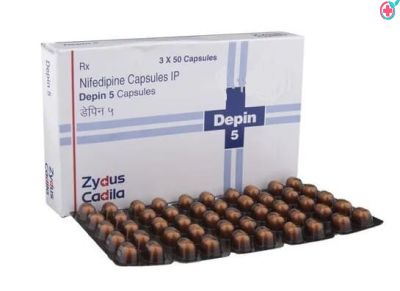
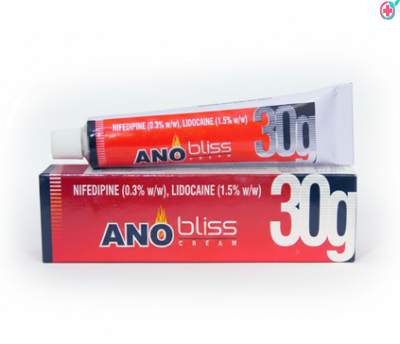
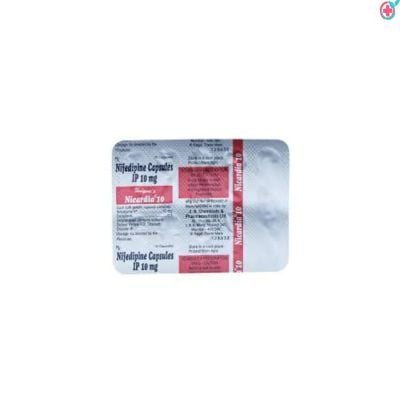
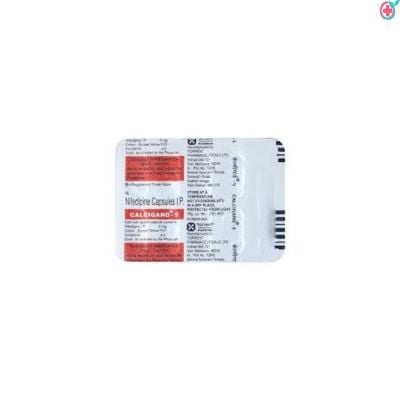
Nicardia Tablet (Nifedipine) is used for the treatment of hypertension (high blood pressure) and angina (chest pain). Nifedipine is known as a calcium channel blocker drug that dilates (relaxes and widens) blood vessels (veins and arteries) making it easier for the heart to pump blood and lower its workload. Nifedipine is sold under various trade names, some of which are Procardia, Myogard (made by UPM), Nicardia (made by Unique), Nifelat (made by Cipla), and Adalat Chrono (made by Bayer Healthcare).


Product Overview
Nicardia Retard Tablet SR is a cardiovascular medication designed to provide sustained management of high blood pressure (hypertension) and the prevention of chronic stable angina. As a potent calcium channel blocker containing Nifedipine, it works by relaxing the smooth muscles of the blood vessels, allowing for improved blood flow and reduced vascular resistance. The "Retard" or sustained-release (SR) formulation is specifically engineered to release the medication gradually into the bloodstream, ensuring consistent blood pressure control over a prolonged period and reducing the frequency of dosing. By easing the workload on the heart and enhancing oxygen delivery to the cardiac muscles, Nicardia Retard plays a vital role in protecting against serious cardiovascular complications such as heart attacks and strokes. This medication is an essential component for individuals requiring long-term heart health support and stabilized circulatory performance.
Product Composition
- Active Ingredient: Nifedipine (typically available in 10 mg or 20 mg strengths)
- Formulation Type: Sustained-Release (SR) / Extended-Release
- Core Excipients: Hypromellose, Microcrystalline Cellulose, Lactose Monohydrate, and Dibasic Calcium Phosphate Dihydrate
- Other Ingredients: Corn Starch, Magnesium Stearate, and Purified Water
- Coating: Film-coated (Tabcoat TC Orange) for controlled release and protection from light
Product Specification
| Feature | Specification |
| Therapeutic Class | Calcium Channel Blocker (Dihydropyridine) |
| Dosage Form | Sustained-Release Oral Tablet |
| Storage Temperature | Do not store above 30°C |
| Shelf Life | 36 months from the date of manufacture |
| Light Sensitivity | Highly sensitive; must be kept in original light-resistant packaging |
Mechanism of Action
- Calcium Channel Inhibition: It works by blocking the transmembranal influx of calcium ions through slow channels into the cardiac and vascular smooth muscle cells.
- Vasodilation: By inhibiting calcium, it prevents the contraction of smooth muscles, leading to the widening (dilation) of peripheral and coronary arteries.
- Reduction in Peripheral Resistance: The widening of systemic arteries lowers the overall resistance the heart must pump against, effectively reducing blood pressure.
- Improved Coronary Perfusion: It dilates both healthy and atherosclerotic coronary arteries, protecting the heart against spasms and increasing oxygen supply to the myocardium.
- Sustained Delivery: The SR matrix allows for a slow and continuous release of Nifedipine, preventing the sharp fluctuations in blood pressure often associated with immediate-release capsules.
Key Benefits
- Stable Hypertension Control: Provides 24-hour management of blood pressure levels, significantly reducing the risk of hypertensive crises.
- Angina Prophylaxis: Reduces the frequency and severity of chest pain (angina) attacks by ensuring the heart muscle receives adequate oxygen.
- Cardiovascular Protection: Long-term use helps in preventing life-threatening events such as myocardial infarction (heart attack) and strokes.
- Reduced Heart Workload: By lowering blood pressure and systemic resistance, it decreases the strain on the heart, supporting overall cardiac efficiency.
- Minimized Side Effects: The slow-release mechanism helps avoid the rapid drops in blood pressure that can cause sudden flushing or dizziness.
Precautions
General Precautions
- Take the medicine exactly as prescribed by your doctor
- Do not crush or chew the SR tablet as it is an extended release formulation
- Avoid sudden discontinuation to prevent rebound blood pressure increase
- Monitor blood pressure regularly during treatment
- Rise slowly from sitting or lying position to avoid dizziness
Medical Conditions to Consider
- Use with caution in patients with low blood pressure
- Inform your doctor if you have heart failure or severe heart disease
- Caution in liver impairment as drug metabolism may be affected
- Patients with kidney problems should be closely monitored
- Avoid use if you have known allergy to Nifedipine
Use in Special Populations
- Pregnant or breastfeeding women should use only under strict medical advice
- Elderly patients may be more sensitive to blood pressure lowering effects
- Dose adjustment may be required based on response
Lifestyle and Care Advice
- Avoid alcohol as it may increase blood pressure lowering effect
- Maintain a heart healthy low salt diet
- Do not drive or operate machinery if you feel dizzy
- Regular follow up with blood pressure readings is important
| Risk Area | Precaution |
|---|---|
| Blood pressure drop | Monitor regularly and avoid sudden standing |
| Heart conditions | Use with caution in heart failure or angina patients |
| Liver impairment | Dose adjustment may be required |
| Drug sensitivity | Discontinue if allergic reactions occur |
Usage
To manage cardiovascular health effectively, Nicardia Retard Tablet SR must be taken consistently. The sustained-release nature of the tablet ensures that the medication is distributed evenly, providing stable blood pressure control throughout the day and night.
Dosage
The dosage is tailored to the individual's clinical requirements and the severity of the condition being managed.
Hypertension Management: The typical starting dose is 10 mg to 20 mg twice daily. Depending on the patient's blood pressure response, this may be adjusted over several weeks.
Angina Prophylaxis: For the prevention of chronic stable angina, the usual dose is 10 mg to 20 mg taken twice a day.
Maximum Dosage: The total daily intake generally should not exceed 40 mg to 80 mg, depending on the specific formulation and medical advice.
Elderly Patients: Smaller doses or longer intervals between doses may be recommended for older individuals to ensure safety and tolerance.
Administration
Correct administration is vital to maintain the integrity of the sustained-release mechanism and ensure the safety of the cardiovascular system.
| Feature | Protocol |
| Method of Intake | Tablets must be swallowed whole. Do not crush, chew, or break them, as this destroys the slow-release effect. |
| Timing | It is best to take the tablets at the same time every day, typically in the morning and evening, to keep blood pressure levels steady. |
| Dietary Note | Can be taken with or without food. However, avoid grapefruit and grapefruit juice, as they interfere with the metabolism of Nifedipine. |
| Hydration | Administer with a full glass of water. Avoid taking the medication with alcoholic beverages. |
| Consistency | Even if blood pressure levels appear normal, the medication should be continued as prescribed to prevent rebound hypertension. |
Uses
Nicardia Retard Tablet SR is a specialized cardiovascular treatment used for the long-term management of arterial and cardiac conditions.
Chronic Hypertension: Used as a primary or adjunctive treatment to lower high blood pressure and prevent long-term damage to the heart and kidneys.
Chronic Stable Angina: Effectively reduces the frequency of chest pain episodes by improving the oxygen supply to the heart muscle.
Vasospastic Angina: Helps prevent chest pain caused by spasms in the coronary arteries (Prinzmetal's angina).
Raynaud's Phenomenon: In some clinical settings, it is used to improve blood flow to the fingers and toes in patients suffering from severe cold-induced vessel constriction.
Post-Infarction Support: May be used in stabilized patients after a heart attack to manage ongoing hypertension and reduce the heart's workload.
FAQs
Q: What is the primary function of Nicardia Retard Tablet SR?
A: This medication is used to manage high blood pressure (hypertension) and prevent chronic stable angina (chest pain). It belongs to a group of drugs called calcium channel blockers, which help relax blood vessels to improve blood flow and lower the heart's workload.
Q: What does the "SR" or "Retard" in the name mean?
A: These terms indicate that the tablet is a sustained-release formulation. Unlike standard tablets that release the medicine all at once, this version releases Nifedipine slowly over several hours. This ensures a steady level of medication in your system and allows for better control of blood pressure throughout the day.
Q: Can I stop taking this medication once my blood pressure is normal?
A: No, you should continue taking the medication even if you feel well. High blood pressure often has no visible symptoms, and Nicardia Retard works to keep it under control. Stopping suddenly can cause your blood pressure to spike or your chest pain to return.
Q: Should I avoid any specific foods while taking Nicardia Retard?
A: Yes, you should avoid consuming grapefruit or grapefruit juice. Grapefruit can interact with Nifedipine, leading to higher-than-normal levels of the medicine in your bloodstream, which may increase the risk of side effects like dizziness or low blood pressure.
Q: Does this medication cause swelling in the ankles or feet?
A: Peripheral edema, or swelling of the lower legs and ankles, is a known side effect of calcium channel blockers. If you notice significant swelling, it is best to discuss it with your healthcare provider for management strategies.
Q: How should this tablet be swallowed?
A: The tablet must be swallowed whole with a glass of water. It should never be crushed, chewed, or broken, as doing so would destroy the sustained-release mechanism and release the entire dose into your system too quickly.
Q: Can Nicardia Retard be used to treat a sudden attack of chest pain?
A: No, this medication is used for the long-term prevention of angina. It is not designed to provide immediate relief during an acute angina attack. Fast-acting medications, such as sublingual nitroglycerin, are typically used for emergency relief.
Interactions
Drug Interactions
| Medicine Type | Interaction Effect |
|---|---|
| Beta blockers | May increase risk of low blood pressure and slow heart rate |
| Other antihypertensive medicines | Additive blood pressure lowering effect leading to dizziness or hypotension |
| Digoxin | Can increase digoxin levels in blood requiring monitoring |
| CYP3A4 inhibitors (e.g., some antifungals, antibiotics) | May increase Nifedipine levels and side effects |
| CYP3A4 inducers (e.g., some anti-epileptics, rifampicin) | May reduce effectiveness of Nifedipine |
Disease Interactions
- Low blood pressure patients should use with caution due to risk of further BP drop
- Heart failure patients require close monitoring as fluid balance may be affected
- Liver disease can increase drug concentration and side effects
- Severe aortic stenosis patients should avoid use unless advised by a specialist
Food and Lifestyle Interactions
- Grapefruit or grapefruit juice may increase drug levels and side effects
- Alcohol can enhance blood pressure lowering effect and cause dizziness
- Sudden standing or rapid posture changes may worsen dizziness
- Maintain consistent salt intake as advised for hypertension management
| Manufacturer | : | A. Menarini India Pvt Ltdine HCL) |
| Trade Name | : | Procardia |
| Generic Search | : | Nifedipine |
| Strength | : | 10mg, 20mg, 30mg |
Certified Content

Dr. Priya Nair
Clinical Pharmacist & Senior Drug Information Specialist | 9 years
Pharm.D. (Doctor of Pharmacy)
Latest Products