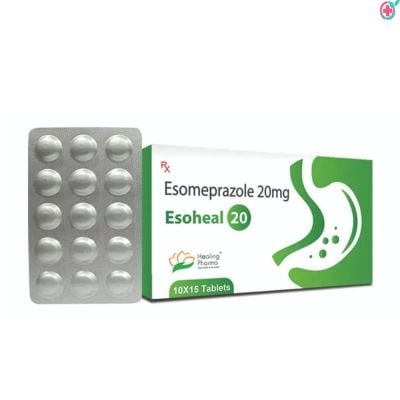
Neksium Tablet (Esomeprazole) Used to Treat GERD, Stomach Ulcers, and Heartburn
Neksium Tablet contains Esomeprazole, a proton pump inhibitor (PPI) that reduces the production of stomach acid. It is used to treat conditions such as gastroesophageal reflux disease (GERD), acid reflux, erosive esophagitis, stomach and duodenal ulcers, and other disorders caused by excessive stomach acid. Neksium helps relieve symptoms like heartburn and promotes healing of the esophagus and stomach lining.


Product Overview
Neksium contains Esomeprazole, a proton pump inhibitor that works by blocking the acid-producing pumps in the stomach lining. This reduces the amount of acid released into the stomach, helping relieve acid-related symptoms and allowing damaged stomach or food pipe lining to heal. It is commonly used for acid reflux conditions, heartburn, and acid-related stomach disorders.
Product Composition
- Esomeprazole – Active ingredient
- Proton Pump Inhibitor (PPI)
- Acid-reducing medicine
Product Specification
| Parameter | Details |
| Active Ingredient | Esomeprazole |
| Medicine Class | Proton Pump Inhibitor (PPI) |
| Dosage Form | Tablet |
| Main Action | Reduces stomach acid production |
| Therapeutic Use | Acid reflux, GERD, ulcers, and acidity-related conditions |
Key Benefits
- Relieves Heartburn and Acidity:
Helps reduce excess stomach acid that causes burning sensation and discomfort. - Treats Acid Reflux (GERD):
Reduces acid backflow into the food pipe and helps relieve reflux symptoms. - Supports Ulcer Healing:
Helps create a lower-acid environment that supports healing of stomach and intestinal ulcers. - Reduces Acid-Related Irritation:
Helps protect the stomach and food pipe lining from acid damage. - Provides Long-Lasting Acid Control:
Offers sustained reduction of acid production compared with simple antacid medicines.
Precaution
| Condition / Situation | Precaution |
| Liver problems | Use cautiously in people with liver disease as dose adjustment may be required |
| Long-term use | Extended use may affect nutrient absorption and mineral levels |
| Low magnesium levels | Inform about existing magnesium deficiency |
| Bone health concerns | Long-term use may be associated with reduced mineral absorption |
| Allergy | Avoid use if allergic to Esomeprazole or other proton pump inhibitors |
Important Precaution Points
- Liver health:
Esomeprazole is processed by the liver, so people with liver-related conditions may require careful use. - Long-term treatment:
Prolonged use of acid-reducing medicines may affect absorption of nutrients such as magnesium, vitamin B12, and calcium. - Bone health:
Long-term use may influence calcium absorption, which can be important for people with bone health concerns. - Persistent digestive symptoms:
Symptoms such as difficulty swallowing, unexplained weight loss, or ongoing stomach discomfort should be evaluated. - Allergic reactions:
Avoid use if there is a known allergy to Esomeprazole or similar acid-reducing medicines.
Usages
▸ Acid Reduction Therapy
Esomeprazole works by blocking acid-producing pumps in the stomach, helping maintain lower acid levels.
▸ Reflux Symptom Control
It helps reduce acid exposure in the food pipe, improving symptoms like burning and discomfort.
▸ Stomach Protection Support
By reducing acid production, it helps protect sensitive areas of the digestive tract from acid-related damage.
▸ Long-Term Acid Management
It may be used as part of treatment plans for recurring acid-related conditions.
Uses
▸ Gastroesophageal Reflux Disease (GERD)
Neksium helps manage GERD symptoms such as heartburn, acid regurgitation, and irritation caused by stomach acid entering the food pipe.
▸ Heartburn and Acidity
It reduces excess stomach acid that causes burning sensation, sour taste, and stomach discomfort.
▸ Stomach and Intestinal Ulcers
Esomeprazole supports ulcer healing by lowering acid levels and reducing further acid-related irritation.
▸ Acid-Related Gastritis
It may help relieve symptoms caused by irritation of the stomach lining due to excess acid.
▸ Prevention of Medicine-Related Ulcers
It may be used to reduce the risk of ulcers caused by certain medicines that can irritate the stomach lining.
Side Effects
Common Side Effects
- Headache:
Mild headache may occur in some users during treatment. - Nausea:
Some people may experience a feeling of sickness or stomach discomfort. - Abdominal Pain:
Mild stomach pain or discomfort may occur. - Diarrhoea:
Changes in bowel habits may occur due to changes in stomach acid levels. - Constipation:
Some users may experience difficulty passing stools.
Less Common Side Effects
- Bloating or gas
- Dry mouth
- Dizziness
- Fatigue
- Vomiting
Serious Side Effects
| Condition | Detail |
| Severe allergic reaction | Swelling, rash, breathing difficulty, or severe sensitivity may occur rarely |
| Severe diarrhoea | Persistent watery diarrhoea may require evaluation |
| Low magnesium levels | Muscle cramps, weakness, or irregular heartbeat may occur with prolonged use |
Important Side Effects
- Mild headache, nausea, or digestive discomfort may occur as the body adjusts to acid reduction.
- Long-term use may affect absorption of certain nutrients in some individuals.
- Changes in bowel habits such as diarrhoea or constipation may occur.
- Individual response to Esomeprazole can vary.
FAQs
Q. What is Neksium Tablet used for?
Neksium Tablet is used to treat acidity, heartburn, acid reflux (GERD), stomach ulcers, and other acid-related digestive conditions.
Q. How does Neksium work?
It works by blocking proton pumps in the stomach lining, reducing the production of stomach acid.
Q. Does Neksium help with heartburn?
Yes, it reduces excess stomach acid and helps relieve heartburn and burning sensations caused by acid reflux.
Q. How long does Neksium take to work?
Some symptoms may improve within a short period, while complete acid control may take longer depending on the condition.
Q. Can Neksium be used for GERD?
Yes, Esomeprazole is commonly used to manage GERD symptoms by reducing acid reflux.
Q. Can Neksium heal stomach ulcers?
Yes, reducing stomach acid helps create an environment that supports healing of acid-related ulcers.
Q. Can Neksium cause gas or bloating?
Yes, some users may experience bloating, gas, or abdominal discomfort.
Q. Can Neksium be taken for long periods?
Long-term use may be suitable in certain conditions, but continued use depends on individual health needs.
Q. Does Neksium interact with other medicines?
Yes, it may interact with medicines such as Clopidogrel, Warfarin, Methotrexate, and certain antifungal medicines.
Q. Can Neksium affect vitamin absorption?
Long-term use may affect absorption of nutrients such as vitamin B12, magnesium, and calcium in some individuals.
Q. Is Neksium an antacid?
No, Neksium is a proton pump inhibitor (PPI) that reduces acid production rather than neutralizing existing acid.
Interaction
| Medicine / Substance | Possible Effect |
| Blood thinners | May affect medicine levels and bleeding response |
| Clopidogrel | May reduce its effectiveness in some cases |
| Antifungal medicines | May affect absorption of certain medicines |
| Methotrexate (high doses) | May increase methotrexate levels |
| Vitamin and mineral supplements | May affect absorption of some nutrients |
Important Interaction Points
- Clopidogrel:
Esomeprazole may affect how the body processes Clopidogrel, which can influence its effectiveness. - Blood thinners:
It may alter the effect of certain anticoagulant medicines, requiring attention to bleeding risk. - Antifungal medicines:
Some medicines require stomach acid for proper absorption, and reduced acid levels may affect their effectiveness. - Methotrexate:
High-dose Methotrexate use with Esomeprazole may increase Methotrexate levels in the body. - Nutrient supplements:
Long-term acid reduction may affect absorption of certain vitamins and minerals.
| Manufacturer | : | Pfizer Ltd, India |
| Trade Name | : | |
| Generic Search | : | Esomeprazole Magnesium |
| Strength | : | 20mg, 40mg |
Certified Content

Dr. Priya Nair
Clinical Pharmacist & Senior Drug Information Specialist | 9 years
Pharm.D. (Doctor of Pharmacy)
Latest Products