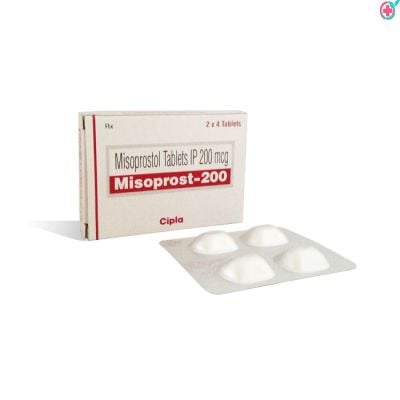
Cytoheal Tablet (Misoprostol) Used for Medical Abortion, Labor Induction, Postpartum Bleeding Control, and Prevent Gastric Ulcers
Cytoheal Tablet contains Misoprostol 200 mcg, a medication used for the medical management of early pregnancy termination, prevention of excessive bleeding after childbirth, cervical ripening, and prevention of NSAID-induced stomach ulcers. It works by stimulating uterine contractions and protecting the stomach lining. Cytoheal should only be used under the supervision of a qualified healthcare professional, as the dosage and administration vary depending on the medical condition being treated.


Product Overview
Cytoheal Tablet contains Misoprostol, a synthetic form of prostaglandin E1. It helps protect the stomach by increasing mucus and bicarbonate production, which strengthens the stomach lining against acid-related damage.
Misoprostol also affects uterine muscles and cervical tissues, making it useful in certain reproductive health applications. Its use depends on the medical purpose and individual condition.
Product Composition
- Misoprostol – Active ingredient
- Prostaglandin E1 analogue
- Gastroprotective and uterotonic agent
Product Specification
| Parameter | Details |
| Active Ingredient | Misoprostol |
| Medicine Class | Prostaglandin Analogue |
| Dosage Form | Tablet |
| Main Action | Protects stomach lining and affects uterine activity |
| Therapeutic Use | Gastric protection and gynecological applications |
Key Benefits
- Protects Stomach Lining:
Helps increase protective mucus and bicarbonate levels in the stomach, reducing acid-related damage. - Helps Prevent Medicine-Related Ulcers:
Supports stomach protection in people using certain ulcer-causing medicines. - Supports Uterine Activity:
Causes uterine contractions and cervical changes in specific gynecological uses. - Reduces Acid-Related Damage:
Helps maintain the stomach’s natural defense against acid. - Provides Prostaglandin Support:
Mimics natural prostaglandin activity involved in stomach and uterine functions.
Precaution
| Condition / Situation | Precaution |
| Pregnancy | Avoid use unless specifically indicated, as Misoprostol can cause uterine contractions |
| Breastfeeding | Discuss use before taking during breastfeeding |
| Previous uterine surgery | Inform about history of uterine procedures |
| Inflammatory bowel disease | Use cautiously in people with intestinal disorders |
| Heart disease | Inform about cardiovascular conditions before use |
Important Precaution Points
- Pregnancy:
Misoprostol affects uterine activity and may cause contractions. Its use during pregnancy depends on the specific medical purpose and requires careful consideration. - Breastfeeding:
Inform about breastfeeding status before use, as medicine-related effects may need to be considered. - Uterine conditions:
People with previous uterine surgery or certain uterine conditions should inform before use. - Digestive conditions:
Misoprostol can affect intestinal movement, so people with bowel disorders should use caution. - Heart conditions:
People with cardiovascular problems should discuss suitability, as prostaglandin-related effects may influence the body.
Side Effects
Common Side Effects
- Diarrhoea:
Increased bowel movement may occur due to Misoprostol’s effect on the digestive system. - Stomach Cramps:
Mild abdominal pain or cramping may occur in some users. - Nausea:
Feeling sick or stomach discomfort may occur during treatment. - Vomiting:
Some people may experience vomiting or digestive upset. - Headache:
Mild headache may occur occasionally.
Less Common Side Effects
- Dizziness
- Gas or bloating
- Indigestion
- Fatigue
- Menstrual changes or uterine cramping
Serious Side Effects
| Condition | Detail |
| Severe allergic reaction | Swelling, rash, breathing difficulty, or severe sensitivity may occur rarely |
| Heavy bleeding | Excessive or unusual bleeding requires medical attention |
| Severe abdominal pain | Persistent or intense stomach pain should be evaluated |
Important Side Effects
- Mild diarrhoea, stomach cramps, or nausea may occur due to Misoprostol’s effects on the digestive system.
- Digestive symptoms are often temporary and may improve as the body adjusts.
- Uterine cramping or bleeding-related effects may occur depending on the purpose of use.
- Severe pain, heavy bleeding, or allergic symptoms should be evaluated.
- Individual response to Misoprostol may vary.
Interaction
| Medicine / Substance | Possible Effect |
| Antacids containing magnesium | May increase diarrhoea risk |
| NSAIDs | May alter stomach-related effects |
| Oxytocin | May increase uterine contraction effects |
| Other uterine medicines | May enhance uterine activity |
| Laxatives | May increase bowel-related side effects |
Important Interaction Points
- Magnesium-containing antacids:
These may increase the chance of diarrhoea when used with Misoprostol. - NSAIDs:
Misoprostol is often used with certain NSAIDs for stomach protection, but the combination should be used according to the intended treatment purpose. - Oxytocin and uterine medicines:
Combining medicines that affect uterine contractions may increase their effects. - Laxatives:
Using medicines that increase bowel movement may worsen diarrhoea or abdominal discomfort. - Other medicines:
Inform about all medicines and supplements being used to avoid unwanted interactions.
| Manufacturer | : | Healing Pharma |
| Trade Name | : | Cytotec |
| Generic Search | : | Misoprostol |
| Strength | : | 200mcg |
Certified Content

Dr. Priya Nair
Clinical Pharmacist & Senior Drug Information Specialist | 9 years
Pharm.D. (Doctor of Pharmacy)
Latest Products