Minirin Nasal Spray (Desmopressin) | Used for Bedwetting and Diabetes Insipidus Treatment
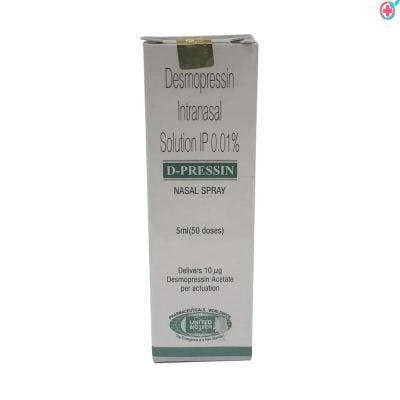
Minirin Nasal Spray is used to treat diabetes insipidus, a condition characterized by intense thirst and heavy urination and primary nocturnal enuresis (bedwetting) in patients over 6. This medication is the synthetic form of the hormone vasopressin (ADH), which helps in the conservation of water in the body..


Product Overview
Minirin Nasal Spray, also known as Desmopressin, is a medication primarily used to treat diabetes insipidus, a condition that causes frequent urination and thirst. It acts as a synthetic replacement for vasopressin, the naturally occurring antidiuretic hormone in the body. By targeting the kidneys to increase water reabsorption, Minirin helps stabilize fluid balance, effectively reducing excessive urine production and the constant urge to drink. This nasal formulation provides a rapid and convenient delivery system for maintaining hormonal equilibrium in patients with central diabetes insipidus.
Product Composition
- Active Ingredient: Desmopressin Acetate
- Strength: Typically 10 mcg per metered spray
- Dosage Form: Nasal Spray (solution)
- Pharmacological Class: Antidiuretic / Vasopressin Analogue
- Chemical Group: Synthetic peptide
Product Specification
| Feature | Details |
| Primary Indication | Central Diabetes Insipidus |
| Onset of Action | Within 15 to 60 minutes |
| Duration of Effect | 6 to 24 hours |
| Route of Administration | Intranasal |
| Storage | Store in a refrigerator (2°C–8°C); do not freeze |
Mechanism of Action
- V2 Receptor Agonism: Desmopressin binds specifically to the V2 receptors located in the collecting ducts of the kidneys.
- Water Reabsorption: This binding triggers the insertion of water channels (aquaporins) into the kidney tubules, allowing the body to reabsorb water back into the bloodstream.
- Urine Concentration: By increasing water reabsorption, it significantly reduces the volume of urine produced and increases its concentration.
- Rapid Nasal Absorption: The nasal mucosa allows the synthetic hormone to enter the systemic circulation quickly, bypassing the digestive tract for faster stabilization.
- Selective Action: Unlike natural vasopressin, it has minimal effect on blood pressure, focusing its activity almost entirely on antidiuretic effects.
Key Benefits
- Effective Fluid Balance: Provides reliable control over the excessive thirst and frequent urination associated with diabetes insipidus.
- Improved Sleep Quality: Reduces nighttime urine production, helping patients achieve uninterrupted sleep.
- Non-Invasive Delivery: Offers a convenient, painless alternative to injections for hormone replacement therapy.
- Precision Dosing: Metered-dose pumps ensure a consistent and accurate amount of medication is delivered with every spray.
- Targeted Symptom Relief: Directly addresses the physiological cause of fluid loss rather than just masking the symptoms.
Precautions
Minirin Nasal Spray (Desmopressin) should be used carefully under medical supervision as it affects the body’s fluid and electrolyte balance.
Fluid Intake Precautions
- Limit excessive fluid intake during treatment to avoid water retention and low sodium levels
- Avoid drinking large amounts of water in the evening or before bedtime
- Follow your doctor’s specific fluid restriction instructions strictly
Medical Condition Precautions
- Use with caution in patients with kidney disease or heart-related conditions
- Not recommended in individuals with hyponatremia (low sodium levels)
- Inform your doctor if you have asthma, migraine, or seizures history
Usage Precautions
- Use exactly as prescribed; do not exceed recommended dose
- Ensure correct nasal spray technique for proper absorption
- Do not use for conditions not prescribed by your doctor
Safety Guidelines
| Aspect | Precaution |
|---|---|
| Fluid balance | Strict monitoring of fluid intake required |
| Sodium levels | Risk of low sodium (hyponatremia), regular monitoring may be needed |
| Overdose risk | May lead to water retention and serious complications |
| Missed dose | Do not double dose; continue as per schedule |
When to Seek Medical Help
- If headache, nausea, confusion, or severe fatigue occurs
- If swelling, sudden weight gain, or breathing difficulty develops
- If symptoms of low sodium such as dizziness or seizures appear
Usage
Administration Guidelines
Priming the Pump: Before using the spray for the first time, prime the pump by pressing it down several times until a fine, consistent mist is released into the air. If the spray has not been used for more than a week, re-prime by spraying once.
Nasal Preparation: Gently blow your nose before application to ensure the nasal passages are clear for maximum absorption.
Technique: Tilt your head back slightly. Insert the spray nozzle into a nostril and press the pump once. Breathe in gently through the nose during the application.
Dosing: If your prescribed dose requires two sprays, apply one to each nostril.
Fluid Restriction: It is vital to strictly follow your doctor's instructions regarding fluid intake. To prevent water intoxication, limit fluid intake to a minimum from 1 hour before a dose until 8 hours after application.
Missed Dose: Take the missed dose as soon as you remember. However, if it is almost time for your next dose, skip the missed dose and return to your regular schedule. Do not double the dose.
Safety and Storage
| Requirement | Instruction |
| Storage Temperature | Store in a refrigerator between 2°C and 8°C |
| Travel Note | Protect from light and do not freeze; keep the bottle upright |
| Monitoring | Regularly monitor body weight and blood pressure as directed by your physician |
| Sodium Levels | Be alert for symptoms of low blood sodium, such as severe headache or nausea |
Uses
Central Diabetes Insipidus: Used as a replacement therapy for patients who lack natural antidiuretic hormone, preventing extreme fluid loss and dehydration.
Management of Polyuria: Effectively reduces excessive urine volume, allowing patients to maintain a normal daily routine without frequent bathroom visits.
Polydipsia Control: Helps suppress the intense, pathological thirst caused by the body's inability to retain water.
Nocturia Prevention: Used to manage excessive nighttime urination, significantly improving sleep quality and reducing daytime fatigue.
Renal Concentration Test: Utilized by healthcare professionals as a diagnostic tool to determine the kidneys' ability to concentrate urine.
Post-Hypophysectomy Recovery: Used to manage temporary or permanent diabetes insipidus following surgery or trauma to the pituitary gland.
Fluid Equilibrium Maintenance: Ensures the body maintains a stable concentration of electrolytes by preventing the over-excretion of water.
Side Effects
Minirin Nasal Spray (Desmopressin) may cause side effects, especially if fluid intake is not properly controlled during treatment.
Common Side Effects
- Headache
- Nasal irritation or discomfort
- Nausea
- Mild stomach pain
- Dizziness
Less Common Side Effects
- Runny or blocked nose
- Mild fatigue or weakness
- Facial flushing
- Mild weight gain due to fluid retention
- Sleep disturbances
Rare but Serious Side Effects
| Serious Reaction | Description |
|---|---|
| Hyponatremia | Low sodium levels causing headache, confusion, nausea, or seizures |
| Severe fluid retention | Swelling, sudden weight gain, or breathing difficulty |
| Seizures | Result of dangerously low sodium levels |
| Severe allergic reaction | Rash, swelling, or difficulty breathing |
| Confusion or disorientation | Sign of electrolyte imbalance affecting the brain |
When to Seek Medical Advice
- If severe headache, confusion, or vomiting occurs
- If sudden weight gain or swelling develops
- If seizures or fainting happen
- If breathing difficulty or allergic reactions appear
Safety Note
- Always follow fluid restriction guidelines while using Minirin Nasal Spray (Desmopressin)
- Seek immediate medical help if symptoms of low sodium occur
FAQs
Q: What is Minirin Nasal Spray used for?
A: Minirin Nasal Spray, also known as Desmopressin, is a medication primarily used to treat diabetes insipidus, a condition that causes frequent urination and thirst. It is also used to test the concentration capacity of the kidneys.
Q: How do I store Minirin Nasal Spray?
A: The spray should be stored in a refrigerator between 2°C and 8°C. It should not be frozen. However, for travel or daily convenience, check your specific product insert as some versions can stay at room temperature for limited periods.
Q: Why do I need to limit my fluid intake?
A: Because Minirin prevents the body from excreting water, drinking too much fluid can lead to water retention and a dangerous drop in blood sodium levels (hyponatremia). It is crucial to only drink enough to satisfy thirst.
Q: How quickly does the spray work?
A: Most patients begin to feel the effects within 15 to 60 minutes after administration. The peak effect usually occurs within 1 to 5 hours.
Q: What should I do if I have a cold or allergies?
A: If you have nasal congestion, swelling, or a runny nose, the absorption of the medication may be reduced, making it less effective. Consult your doctor if you are experiencing nasal issues, as you may need a different dosage form temporarily.
Q: What are the signs of water intoxication?
A: Seek medical help immediately if you experience a severe headache, nausea, vomiting, sudden weight gain, confusion, or seizures. These can be signs that your body is retaining too much water.
Q: Can I use Minirin for bedwetting?
A: While Desmopressin is used for primary nocturnal enuresis (bedwetting), the nasal spray formulation is generally no longer recommended for this specific use in many regions due to a higher risk of side effects compared to the tablet form. Always follow your doctor's specific prescription.
Q: How do I prime the nasal spray?
A: Before using it for the first time, or if it hasn't been used for a while, you must prime the pump by pressing it down several times until a fine, consistent mist is released into the air.
Q: Are there any common side effects?
A: Common side effects include nasal congestion, a runny nose, or mild abdominal cramps. Most side effects are related to fluid balance and can often be managed by adjusting fluid intake and dosage under medical supervision.
Interactions
Minirin Nasal Spray (Desmopressin) may interact with certain medicines and conditions, which can affect sodium levels and fluid balance in the body.
Drug Interactions
- Diuretics (water tablets) may increase the risk of low sodium levels (hyponatremia)
- Antidepressants (SSRIs, TCAs) can increase the risk of water retention and electrolyte imbalance
- NSAIDs (such as ibuprofen) may enhance the effect of Desmopressin and increase fluid retention
- Carbamazepine and other antiepileptic drugs may increase the risk of hyponatremia
- Lithium may have reduced effectiveness when used with Desmopressin
Disease Interactions
- Use with caution in patients with kidney disease due to risk of fluid imbalance
- Not recommended in patients with existing low sodium levels
- Caution in heart failure patients due to risk of fluid overload
- Use carefully in conditions requiring strict fluid balance monitoring
Food and Fluid Interactions
| Substance Type | Interaction Effect |
|---|---|
| Excess water intake | Increases risk of hyponatremia and fluid overload |
| Alcohol | May interfere with hormone balance and increase side effects |
| High fluid consumption | Can reduce safety and increase complications |
| Caffeine | May alter urinary response in some patients |
Important Note
- Always inform your doctor about all medicines and supplements before using Minirin Nasal Spray (Desmopressin) to prevent serious fluid and electrolyte imbalances
| Manufacturer | : | Ferring Pharma, India |
| Trade Name | : | DDAVP |
| Generic Search | : | Desmopressin |
| Strength | : | 2.5 ml |
Certified Content

Dr. Priya Nair
Clinical Pharmacist & Senior Drug Information Specialist | 9 years
Pharm.D. (Doctor of Pharmacy)
Latest Products