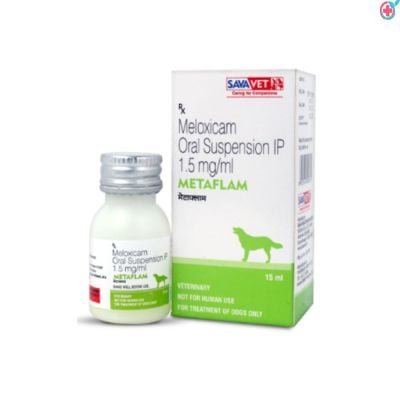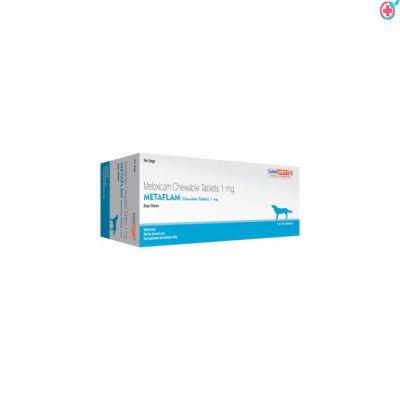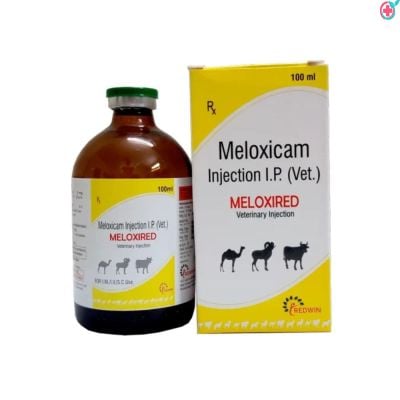
Meloxicam oral suspension
Melonex (Meloxicam Oral Suspension) is a non-steroidal anti-inflammatory drug (NSAID) formulated for fast-acting pain and inflammation relief. It helps manage joint pain, arthritis, muscle aches, and other musculoskeletal discomforts. The oral suspension provides an easy-to-administer option for children and adults, ensuring effective anti-inflammatory action and improved mobility.


Melonex Oral Suspension Product Overview
Melonex is a highly effective Non-Steroidal Anti-Inflammatory Drug (NSAID) containing Meloxicam, specifically formulated as a palatable oral suspension for veterinary use. It belongs to the oxicam class of medications and is widely recognized for its potent analgesic, anti-inflammatory, and anti-pyretic (fever-reducing) properties. Melonex is a primary choice for managing both acute and chronic musculoskeletal disorders in animals, providing significant relief from pain and improving overall mobility.
Product Composition
- Active Ingredient: Meloxicam (typically 1.5 mg/ml)
- Formulation: Palatable Oral Suspension
- Pharmacological Class: NSAID (Selective COX-2 Inhibitor)
- Target Species: Dogs, Cats (with specific dosing), and Livestock
Product Specifications
| Feature | Details |
| Generic Name | Meloxicam Oral Suspension |
| Therapeutic Category | Anti-inflammatory / Analgesic |
| Primary Indication | Osteoarthritis and Post-operative pain |
| Dosing Mechanism | Calibrated oral syringe or dropper bottle |
| Storage | Store at room temperature; shake well before use |
Mechanism of Action
Melonex works by targeting the biological pathways responsible for pain and swelling:
- Selective COX-2 Inhibition: Meloxicam preferentially inhibits the cyclooxygenase-2 (COX-2) enzyme. This enzyme is responsible for producing prostaglandins that cause pain, fever, and inflammation.
- Sparing COX-1: By showing a preference for COX-2 over COX-1, the medication aims to reduce the risk of common NSAID side effects, such as gastric ulcers or kidney interference, which are often associated with inhibiting the "protective" COX-1 enzyme.
- Prostaglandin Reduction: By lowering prostaglandin levels at the site of injury or chronic inflammation, it effectively reduces the "firing" of pain receptors.
- Rapid Absorption: The liquid suspension format allows for quick absorption through the digestive tract, leading to a relatively fast onset of action for pain relief.
Key Benefits of Melonex Oral Suspension
- Effective Osteoarthritis Management: Provides long-term relief for aging animals suffering from chronic joint pain, stiffness, and reduced mobility.
- Post-Surgical Recovery: Frequently used to manage pain and inflammation following orthopedic or soft-tissue surgeries.
- High Palatability: Often honey or fruit-flavored to ensure easy administration, as most animals will readily accept the liquid or take it mixed with food.
- Precise Dosing: The graduated syringe allows for very accurate dosing based on the animal’s exact body weight, which is critical for the safety of smaller breeds.
- Once-Daily Dosing: The long half-life of Meloxicam allows for a convenient 24-hour dosing schedule, reducing the stress of frequent medication for the animal.
- Versatile Anti-Inflammatory: Effectively treats various conditions, including dental pain, minor injuries, and fever associated with respiratory infections.
Melonex Precautions
General Safety Guidelines
- Take Melonex Oral Suspension exactly as prescribed for effective pain and inflammation management
- Do not exceed the recommended dose to avoid serious side effects
- Take with food or milk to minimize stomach irritation
Allergy and Sensitivity
- Avoid use if allergic to Meloxicam, NSAIDs, or any ingredients in the suspension
- Report any unusual rash, itching, swelling, or breathing difficulty immediately
Use in Special Populations
| Population | Precautions |
|---|---|
| Pregnancy | Avoid unless prescribed; may harm the fetus, especially in the third trimester |
| Breastfeeding | Consult your doctor; small amounts may pass into breast milk |
| Elderly Patients | May be more sensitive to gastrointestinal bleeding or kidney issues; monitor closely |
| Children | Use only under pediatric guidance and proper dosage |
Gastrointestinal and Kidney Considerations
- May cause stomach irritation, ulcers, or gastrointestinal bleeding
- Inform your doctor of any history of ulcers, heartburn, or kidney disease
Heart and Cardiovascular Considerations
- Use with caution if you have a history of heart disease, hypertension, or stroke
- Monitor for unusual fatigue, chest pain, or swelling
Drug and Lifestyle Considerations
- Inform your doctor of all other medications, especially other NSAIDs, anticoagulants, or corticosteroids
- Avoid alcohol as it may increase risk of stomach bleeding
- Maintain proper hydration to support kidney function
Administration and Storage Guidelines
- Shake the bottle well before each use
- Measure the dose using a proper measuring device
- Store in a cool, dry place away from sunlight
- Keep out of reach of children
- Do not use expired medication
Melonex Oral Suspension Usage
Melonex is a veterinary-grade NSAID that requires precise dosing based on the animal's weight to ensure safety and effectiveness. Proper administration, particularly in relation to food intake, is critical to preventing gastrointestinal complications.
Administration Guidelines
| Feature | Details |
| Route of Administration | Oral (Using the provided calibrated syringe). |
| Initial Loading Dose | Usually a single dose of 0.2 mg/kg on the first day. |
| Maintenance Dose | 0.1 mg/kg administered once daily (24-hour intervals). |
| Preparation | Shake the bottle well before every use to ensure even distribution. |
| Food Interaction | Must be administered with or immediately after a meal. |
Important Instructions
Weight-Based Precision: Always weigh your pet before starting treatment. Use the graduated oral syringe provided with the bottle to measure the exact volume. Do not use standard household spoons, as they are inaccurate.
Gastric Protection: Never administer Melonex on an empty stomach. Providing a small amount of moist food before or during dosing creates a protective barrier in the stomach.
Hydration Status: Ensure your pet has constant access to fresh drinking water. Dehydration significantly increases the risk of kidney toxicity when using Meloxicam.
Observation Period: Monitor your pet closely during the first 24–48 hours of treatment for signs of intolerance, such as vomiting, soft stools, or a sudden loss of appetite.
Cat-Specific Caution: Cats have a limited ability to metabolize NSAIDs. If using for a feline, follow the vet's "drop-per-kg" instructions exactly and never exceed the prescribed duration (usually 1–3 days for acute pain).
Long-Term Monitoring: For pets on chronic therapy for arthritis, routine blood work (checking liver and kidney enzymes) is mandatory every 6 to 12 months to ensure continued safety.
Melonex Oral Suspension Uses
Melonex is a versatile anti-inflammatory and analgesic used across various veterinary scenarios to improve the quality of life and recovery speed of animals.
Osteoarthritis Management: Reduces chronic joint inflammation and pain in aging pets, significantly improving their ability to walk, climb stairs, and play.
Post-Operative Pain Relief: Administered following orthopedic surgeries (like ACL repair) or soft-tissue procedures (like spaying/neutering) to manage surgical inflammation.
Acute Musculoskeletal Injuries: Treats localized pain and swelling resulting from sprains, strains, or minor trauma to muscles and ligaments.
Dental Pain Support: Used before or after dental extractions and oral surgeries to control pain and gingival swelling.
Fever Reduction (Antipyretic): Helps lower high body temperatures associated with systemic infections or inflammatory conditions.
Chronic Spinal Pain: Provides relief for pets suffering from intervertebral disc disease (IVDD) or other degenerative spinal conditions.
Uveitis Treatment: Occasionally used as an adjunctive therapy to reduce internal eye inflammation in specific veterinary ophthalmology cases.
Livestock Inflammation: Used in cattle and pigs to treat inflammation associated with respiratory infections or acute mastitis.
Melonex Side Effects
General Side Effect Guidelines
- Side effects may vary depending on dosage, duration, and individual sensitivity
- Most patients tolerate Melonex well when used as prescribed
- Report any severe or unusual reactions to your healthcare provider immediately
Common Side Effects
- Mild stomach upset, nausea, or heartburn
- Dizziness or headache
- Mild swelling of hands, feet, or ankles
- Temporary rash or itching
Serious Side Effects
| Side Effect Category | Symptoms / Warning Signs |
|---|---|
| Gastrointestinal | Severe stomach pain, black/tarry stools, vomiting blood |
| Cardiovascular | Unusual fatigue, chest pain, rapid heartbeat, high blood pressure |
| Kidney-Related | Reduced urine output, swelling, elevated creatinine |
| Allergic Reactions | Rash, itching, swelling, difficulty breathing |
| Liver-Related | Yellowing of eyes/skin, dark urine, persistent nausea or fatigue |
Rare but Severe Side Effects
- Gastrointestinal bleeding or ulcers
- Severe kidney damage or failure
- Severe allergic reaction (anaphylaxis)
- Heart attack or stroke in patients with pre-existing cardiovascular risk
Management and Monitoring
- Take Melonex exactly as prescribed and with food or milk to reduce stomach irritation
- Stay hydrated and avoid alcohol
- Monitor for signs of bleeding, kidney issues, or severe allergic reactions
- Seek immediate medical attention if experiencing chest pain, severe abdominal pain, difficulty breathing, or persistent jaundice
Melonex Oral Suspension FAQs
Q: What is Melonex Oral Suspension used for in animals?
A: Melonex is an NSAID used to reduce pain, inflammation, and fever. It is most commonly prescribed for chronic musculoskeletal disorders like osteoarthritis and for managing acute pain following orthopedic or soft-tissue surgeries.
Q: How should I administer Melonex to my pet?
A: The suspension should be shaken well before use. It can be administered directly into the mouth using the calibrated dosing syringe provided or mixed into a small amount of moist food. Ensure your pet consumes the entire dose.
Q: Can I give Melonex to my pet on an empty stomach?
A: It is highly recommended to give Melonex during or immediately after a meal. Administering NSAIDs on an empty stomach increases the risk of gastrointestinal irritation and stomach ulcers.
Q: How quickly will I see results?
A: For acute pain, you may see an improvement within 1 to 2 hours. For chronic conditions like arthritis, it may take 3 to 4 days of consistent daily dosing to reach maximum therapeutic levels and see a noticeable increase in mobility.
Q: What are the common side effects to watch for?
A: Typical side effects include loss of appetite, vomiting, diarrhea, or lethargy. If you notice any of these signs, or if your pet's stools appear dark or tarry (a sign of GI bleeding), stop the medication immediately and contact your veterinarian.
Q: Can I use Melonex for my cat if it was prescribed for my dog?
A: No. Cats are extremely sensitive to NSAIDs and require much lower, highly specific doses. Using a "dog-strength" dose on a cat can cause fatal kidney failure. Only use Melonex for cats if specifically prescribed by a vet with the correct feline-specific concentration and instructions.
Q: Can I give my pet human aspirin or ibuprofen while they are on Melonex?
A: No. You should never "stack" different NSAIDs or combine them with corticosteroids (like Prednisone). This significantly increases the risk of severe stomach ulcers and kidney damage.
Q: What should I do if I miss a dose?
A: If you miss a dose, give it as soon as you remember. However, if it is almost time for the next scheduled dose, skip the missed one. Do not double the dose to make up for a missed one, as this increases the risk of toxicity.
Q: Is long-term use of Melonex safe?
A: Many pets stay on Meloxicam for years to manage arthritis. However, long-term use requires regular blood monitoring (usually every 6–12 months) to ensure the liver and kidneys are functioning correctly and processing the medication safely.
Melonex Interactions
General Drug Interaction Guidelines
- Always inform your doctor about all medications, supplements, and herbal products you are taking
- Avoid combining Melonex with other NSAIDs unless specifically advised by your healthcare provider
- Do not start or stop any medication without consulting your doctor
Drugs That May Interact with Melonex
| Drug / Drug Class | Interaction Effect |
|---|---|
| Other NSAIDs (ibuprofen, naproxen) | May increase risk of gastrointestinal bleeding and ulcers |
| Anticoagulants (warfarin, heparin) | May enhance bleeding risk |
| Corticosteroids (prednisone) | May increase risk of stomach irritation and ulcers |
| Diuretics (furosemide, hydrochlorothiazide) | May reduce kidney function when combined with Meloxicam |
| ACE inhibitors or ARBs (lisinopril, losartan) | May reduce kidney function and increase risk of hyperkalemia |
| Alcohol | Increases risk of stomach bleeding and liver stress |
Lifestyle and Dietary Considerations
- Take Melonex with food or milk to reduce stomach irritation
- Avoid excessive alcohol consumption
- Maintain proper hydration to support kidney function
Monitoring During Interactions
- Watch for signs of gastrointestinal bleeding (black/tarry stools, vomiting blood)
- Monitor kidney function during prolonged use, especially with diuretics or ACE inhibitors
- Report any unusual fatigue, swelling, or shortness of breath promptly
| Manufacturer | : | Intas Pharma, India |
| Trade Name | : | Mobic |
| Generic Search | : | Magnesium Oxide |
| Strength | : |
Certified Content

Dr. Priya Nair
Clinical Pharmacist & Senior Drug Information Specialist | 9 years
Pharm.D. (Doctor of Pharmacy)
Latest Products