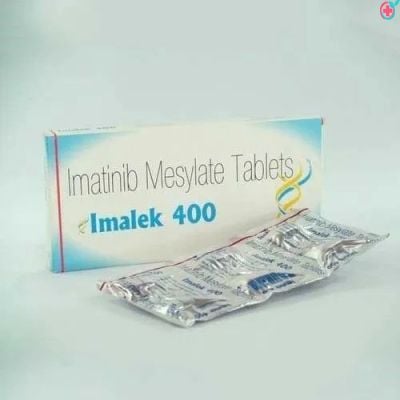
Imatib Tablet (Imatinib Gleevec) | Used for CML and Gastrointestinal Stromal Tumor Treatment
Imatib Tablet contains Imatinib, a targeted cancer therapy used to treat certain types of blood cancers such as chronic myeloid leukemia (CML) and gastrointestinal stromal tumors (GIST). We use it as well for children with certain leukemias. Because of this drug, you have to face swelling, muscle or joint pain, and stomach upset.


Product Overview
Imatib Tablet is a generic formulation of Imatinib, a targeted cancer therapy known as a tyrosine kinase inhibitor. It is primarily used to treat certain types of cancer, specifically Chronic Myeloid Leukemia (CML) and Gastrointestinal Stromal Tumors (GIST). Imatib works by inhibiting specific proteins that signal cancer cells to multiply, effectively stopping the uncontrolled growth of these cells. By targeting only the diseased cells, it minimizes damage to healthy tissues compared to conventional chemotherapy.
Product Composition
- Active Ingredient: Imatinib (usually as Imatinib Mesylate).
- Drug Class: Tyrosine Kinase Inhibitor (TKI).
- Formulation: Film-coated oral tablets (typically 100mg or 400mg).
- Excipients: Microcrystalline cellulose, Crospovidone, Magnesium stearate, and Hypromellose.
Product Specification
| Feature | Details |
| Therapeutic Class | Antineoplastic (Cancer medication) |
| Primary Indications | Chronic Myeloid Leukemia (CML), GIST |
| Administration | Oral (with food and a large glass of water) |
| Metabolism | Hepatic (primarily via CYP3A4 enzyme) |
| Storage | Store at 20°C to 25°C; keep dry |
Mechanism of Action
- Targeted Inhibition: Imatib specifically binds to the BCR-ABL tyrosine kinase, an abnormal protein created by the "Philadelphia chromosome" in leukemia cells.
- Growth Suppression: By blocking this kinase, the drug prevents the chemical signals necessary for the rapid division and survival of cancer cells.
- Apoptosis Induction: Inhibition of the BCR-ABL pathway triggers programmed cell death (apoptosis) in malignant cells while having minimal impact on normal, healthy cells.
- Anti-Tumor Activity: In GIST, it inhibits the KIT (CD117) tyrosine kinase, which is responsible for the uncontrolled proliferation of these specific tumors.
Key Benefits
- Targeted Efficacy: Provides high precision in destroying cancer cells while sparing the majority of healthy tissues, leading to a different side-effect profile than traditional chemo.
- Disease Management: Has revolutionized the treatment of CML, turning a once-fatal condition into a manageable chronic disease for many patients.
- Oral Administration: Offers the convenience of at-home oral dosing rather than requiring intravenous administration in a clinical setting.
- Long-Term Control: Demonstrates strong durability in suppressing disease progression when taken consistently as prescribed.
- Improved Survival Rates: Significantly increases the overall survival and progression-free survival rates for patients with CML and GIST.
- Reduced Side Effects: Generally associated with fewer systemic toxicities compared to broad-spectrum cytotoxic chemotherapy agents.
Precautions
Important precautions for Imatib Tablet (Imatinib)
Blood and cancer treatment precautions
- Regular blood tests are required to monitor blood counts
- May cause lowered immunity and increased infection risk
- Report fever, sore throat, or unusual bruising immediately
- Use only under strict oncology supervision
Liver and kidney precautions
- Liver function should be monitored regularly during treatment
- Use cautiously in patients with liver or kidney impairment
- Dose adjustment may be required in organ dysfunction
- Report yellowing of skin or eyes promptly
Fluid retention precautions
- May cause swelling in face, hands, or legs
- Monitor for sudden weight gain or breathing difficulty
- Fluid retention may require medical adjustment
- Heart and lung function should be observed in high-risk patients
General usage precautions
- Take exactly as prescribed without missing doses
- Do not stop treatment abruptly without doctor advice
- Take with food and a full glass of water
- Avoid self-medication or dose changes
Infection risk precautions
- Increased risk of infections due to immune suppression
- Avoid contact with sick individuals when possible
- Maintain good hygiene practices
- Report persistent infections immediately
Safety overview table
| Area of caution | Precaution guidance |
|---|---|
| Blood monitoring | Regular CBC tests required |
| Liver function | Routine liver enzyme monitoring needed |
| Fluid retention | Watch for swelling and weight gain |
| Infection risk | Increased susceptibility requires caution |
Usage
Dosage
Dosage is highly personalized based on the specific cancer diagnosis, the patient’s clinical response, and the monitoring of blood counts and organ function. Imatib must only be taken under the strict supervision of a hematologist or oncologist.
| Indication | Typical Daily Dosage |
| Chronic Phase CML (Adults) | 400 mg once daily |
| Advanced Phase CML (Adults) | 600 mg to 800 mg daily |
| GIST (Adults) | 400 mg to 600 mg daily |
Administration
Mealtime Requirement: Always take the tablet with a meal and a large glass of water (approx. 240 mL). This is critical to minimize gastrointestinal side effects like nausea or stomach pain.
Consistency: Take the medication at the same time each day to maintain steady blood levels and optimize efficacy.
Handling: Imatib is a potent medication. Wash your hands thoroughly after handling the tablets, and avoid crushing or splitting them to prevent exposure to the active drug powder.
Monitoring: Regular blood tests (including complete blood counts, liver enzymes, and kidney function tests) are mandatory throughout the course of treatment to ensure the medication is safe and effective.
Missed Dose: Take the missed dose as soon as you remember. If it is within 12 hours of your next scheduled dose, skip the missed one. Do not take a double dose.
Strict Avoidance: Do not consume grapefruit, grapefruit juice, or supplements containing St. John’s Wort, as these can drastically alter the concentration of the drug in your body.
Uses
Chronic Myeloid Leukemia (CML): The primary indication for the treatment of Philadelphia chromosome-positive (Ph+) CML in all phases (chronic, accelerated, and blast crisis).
Gastrointestinal Stromal Tumors (GIST): Used for the treatment of adult patients with KIT (CD117) positive unresectable and/or metastatic malignant gastrointestinal stromal tumors.
Adjuvant Therapy for GIST: Often prescribed following the surgical removal of KIT-positive GIST to reduce the risk of tumor recurrence.
Ph+ Acute Lymphoblastic Leukemia (Ph+ ALL): Used in combination with standard chemotherapy for the treatment of adult patients with newly diagnosed Ph+ ALL.
Myelodysplastic/Myeloproliferative Diseases: Used in the treatment of adult patients with these conditions associated with platelet-derived growth factor receptor (PDGFR) gene rearrangements.
Hypereosinophilic Syndrome (HES) or Chronic Eosinophilic Leukemia (CEL): Indicated for adult patients with these conditions who have the FIP1L1-PDGFRα fusion kinase.
Dermatofibrosarcoma Protuberans (DFSP): Used for the treatment of adult patients with unresectable, recurrent, and/or metastatic DFSP.
Side effects
Common side effects
- Nausea or vomiting
- Diarrhea or abdominal discomfort
- Fatigue or weakness
- Muscle cramps
Fluid retention effects
- Swelling in face, hands, or feet
- Sudden weight gain
- Puffiness around eyes
- Shortness of breath in severe cases
Blood related effects
- Anemia (low red blood cells) causing tiredness
- Low white blood cells increasing infection risk
- Low platelet count leading to easy bruising or bleeding
- Frequent infections or fever
Skin and general effects
- Skin rash or itching
- Headache
- Dizziness
- Hair thinning in some cases
Serious side effects (rare)
- Severe liver dysfunction (yellowing of skin/eyes)
- Severe infections due to low immunity
- Heart or lung complications due to fluid buildup
- Severe allergic reactions
Side effects summary table
| System affected | Possible reaction |
|---|---|
| Blood system | Anemia, low WBC, low platelets |
| Gastrointestinal | Nausea, diarrhea, abdominal pain |
| Fluid balance | Swelling, weight gain, edema |
| Skin | Rash, itching, hair thinning |
| General | Fatigue, dizziness, cramps |
FAQs
Q: What is this product used for?
A: Imatib is a targeted therapy used primarily to treat Chronic Myeloid Leukemia (CML) and certain gastrointestinal tumors (GIST). It works by blocking the specific proteins that cause these cancer cells to grow and multiply.
Q: How should I take Imatib?
A: You should take your tablet with a full meal and a large glass of water. Taking it with food helps reduce the chance of stomach irritation or nausea.
Q: Can I crush or chew the tablet?
A: No, you should swallow the tablet whole. If you have significant difficulty swallowing, speak with your doctor or pharmacist, as they may recommend dispersing the tablet in a glass of water or apple juice.
Q: What should I do if I miss a dose?
A: Take your missed dose as soon as you remember, unless it is nearly time for your next scheduled dose. If it is close to your next dose, skip the missed one. Never take two doses at the same time.
Q: What are the common side effects?
A: Common side effects include nausea, muscle cramps, diarrhea, and fluid retention (which may cause swelling in your hands, feet, or around the eyes). Most patients manage these symptoms with advice from their oncology team.
Q: Does this medication interact with other drugs?
A: Yes, Imatib has many potential interactions. It is processed by the liver, so it can interact with common medications like antibiotics, antifungals, or even herbal supplements like St. John's Wort. Always provide your doctor with a full list of all medications and supplements you are taking.
Q: Can I drink grapefruit juice while taking Imatib?
A: No, you should avoid grapefruit and grapefruit juice. They can interfere with how your body breaks down the medication, which may lead to unpredictable levels of the drug in your system.
Interactions
Drug interactions of Imatib Tablet (Imatinib)
CYP enzyme interactions
- CYP3A4 inhibitors (e.g., certain antifungals, antibiotics) may increase Imatinib levels and side effects
- CYP3A4 inducers (e.g., rifampicin, some anticonvulsants) may reduce effectiveness
- Dose adjustments may be required when combined with these medicines
Blood and cancer therapy interactions
- Other anticancer drugs may increase risk of bone marrow suppression
- Combination therapy requires close blood count monitoring
- May enhance toxicity when used with overlapping chemotherapy agents
Heart and fluid related interactions
- Medicines causing fluid retention may increase risk of edema
- Certain heart medicines may require monitoring when used together
- Diuretics may need adjustment due to fluid balance changes
Anticoagulant interactions
- May increase risk of bleeding when used with blood thinners
- Regular monitoring of clotting parameters may be needed
- Dose adjustments may be required in combined therapy
General medication considerations
- Paracetamol is generally safe but should be used within recommended limits
- Herbal supplements may affect metabolism and should be disclosed
- Always inform doctor about all prescription and non-prescription drugs
Drug interactions table
| Drug class | Interaction effect |
|---|---|
| CYP3A4 inhibitors | Increased Imatinib levels and toxicity risk |
| CYP3A4 inducers | Reduced effectiveness of Imatinib |
| Anticoagulants | Increased bleeding risk |
| Other anticancer drugs | Higher bone marrow suppression risk |
| Fluid-retaining drugs | Increased risk of edema and swelling |
| Manufacturer | : | Cipla Pharma, India |
| Trade Name | : | Gleevec |
| Generic Search | : | Imatinib |
| Strength | : | 100mg, 400mg |
Certified Content

Dr. Priya Nair
Clinical Pharmacist & Senior Drug Information Specialist | 9 years
Pharm.D. (Doctor of Pharmacy)
Latest Products