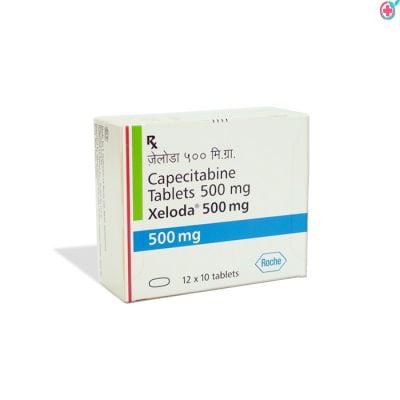
Capnat Tablet (Capecitabine) Used in Treatment of Breast Cancer, Gastrointestinal, Colon & Rectal Cancer
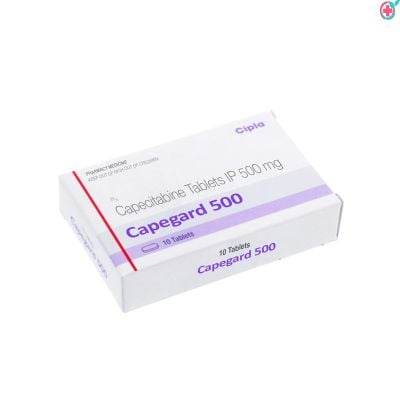
Capnat Tablet contains Capecitabine, an oral chemotherapy medication used to treat breast, colorectal, and gastric cancers. It works by stopping the growth of cancer cells and is prescribed under the supervision of an oncologist.


Introduction
Capnat Tablet contains Capecitabine, an oral chemotherapy medication used to treat various types of cancer. It belongs to the class of antimetabolite drugs, which work by interfering with the growth of cancer cells and slowing their spread. Capnat is primarily prescribed for adults diagnosed with breast cancer, colorectal cancer, and gastric cancer. This medication is intended for patients under the supervision of an oncologist or healthcare professional experienced in chemotherapy administration.
Precautions of Capnat Tablet (Capecitabine)
Before taking Capnat Tablet, consult your doctor if you:
- Have liver or kidney problems.
- Are pregnant, planning pregnancy, or breastfeeding.
- Have a history of heart disease or bone marrow disorders.
- Are taking other medications, particularly warfarin, phenytoin, or other chemotherapy drugs.
Important warnings:
- Avoid live vaccines during treatment.
- Practice good hygiene to reduce infection risk.
- Monitor for signs of bleeding, severe diarrhea, or hand-foot syndrome
Uses of Capnat Tablet (Capecitabine)
Capnat Tablet is used in the treatment of:
- Breast cancer – often after surgery or when the cancer has spread.
- Colorectal cancer – including colon and rectal cancers, both in early and advanced stages.
- Gastric (stomach) cancer – as part of chemotherapy regimens.
- May be used in combination with other chemotherapy drugs depending on your treatment plan.
Side Effects of Capnat Tablet (Capecitabine)
- While Capnat is effective, it may cause side effects. Common side effects include:
- Mild to moderate: Nausea, vomiting, diarrhea, loss of appetite, fatigue, and hand-foot syndrome (redness, swelling, or pain on palms and soles).
- Severe (require immediate medical attention): Severe diarrhea, signs of infection (fever, chills), unusual bleeding or bruising, jaundice (yellowing of skin/eyes), severe mouth sores, and difficulty swallowing.
FAQs of Capnat Tablet (Capecitabine)
1. How should I take Capnat Tablet?
Take exactly as prescribed by your doctor, usually twice daily after meals. Swallow the tablet whole with water.
2. Can I take Capnat with food?
Yes, it should be taken after meals to reduce stomach upset.
3. What should I do if I miss a dose?
Take it as soon as you remember, but do not double the next dose. Follow your doctor’s instructions.
4. Is Capnat safe during pregnancy?
No, it may harm the unborn baby. Use effective contraception during treatment.
5. How long does it take to see results?
Response varies by cancer type and stage; your oncologist will monitor progress via scans and blood tests.
Interactions of Capnat Tablet (Capecitabine)
Capnat may interact with:
- Blood thinners (e.g., warfarin) – may increase bleeding risk.
- Phenytoin and other anticonvulsants – may alter drug levels.
- Other chemotherapy drugs – may increase toxicity or side effects.
- Always inform your healthcare provider about all medications and supplements you are taking.
| Manufacturer | : | Natco Pharma, India |
| Trade Name | : | Xeloda |
| Generic Search | : | Capecitabine |
| Strength | : | 500mg |
Certified Content

Dr. Priya Nair
Clinical Pharmacist & Senior Drug Information Specialist | 9 years
Pharm.D. (Doctor of Pharmacy)
Latest Products