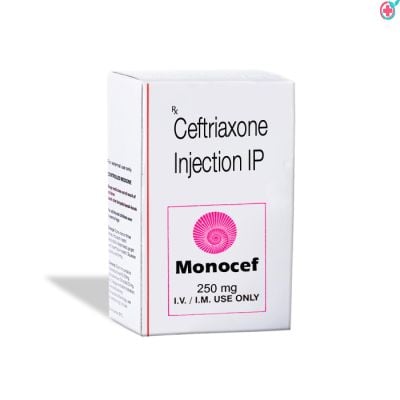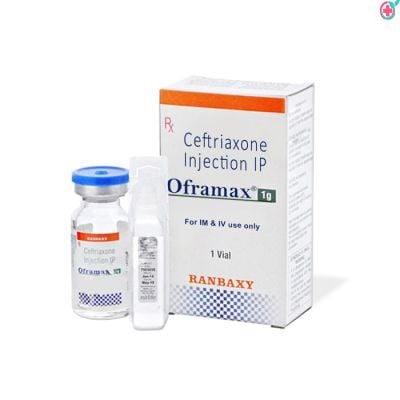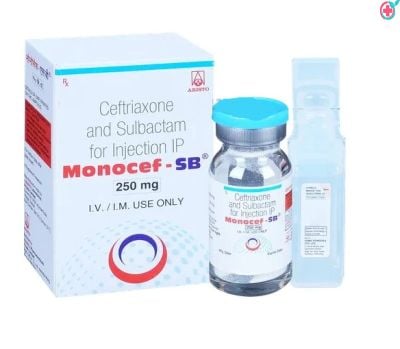
C One SB 1000mg/500mg Injection (Ceftriaxone + Sulbactam) Used to Treat Serious Bacterial Infections
C One SB Injection is a powerful combination of Ceftriaxone (a third-generation cephalosporin antibiotic) and Sulbactam (a beta-lactamase inhibitor). C One SB Injection is used to treat a wide range of serious bacterial infections, including respiratory tract, urinary tract, skin, abdominal, and gynecological infections.


Product Overview
C One SB 1000mg/500mg Injection is a potent, dual-action antibiotic combination formulated to combat a broad spectrum of severe, complex bacterial infections. By pairing a third-generation cephalosporin with a protective synergistic agent, this medication overcomes bacterial defenses to halt microbial spread effectively. C One SB injection is widely utilized in clinical environments to manage acute system conditions, serious respiratory tract complications, and post-operative internal tissue issues, restoring stability during critical care interventions.
Product Composition
- Primary Antibiotic: Ceftriaxone Sodium (equivalent to 1000 mg of active ceftriaxone)
- Synergistic Beta-Lactamase Inhibitor: Sulbactam Sodium (equivalent to 500 mg of active sulbactam)
- Reconstitution Medium: Accompanied by a separate ampoule of sterile water for injection
Product Specification
| Feature | Detail |
| Administration Route | Intravenous Infusion or Deep Intramuscular Injection |
| Total Strength | 1.5 grams per dry powder vial |
| Bacterial Coverage | Gram-positive and Gram-negative aerobic and anaerobic organisms |
| Storage Parameters | Store below 30 Degrees Celsius protected from direct moisture |
| Reconstituted Stability | Use immediately after mixing with the sterile diluent |
Mechanism of Action
- Cell Wall Synthesis Inhibition: The primary antibiotic component binds tightly to penicillin-binding proteins, disrupting the cross-linking of peptidoglycan chains necessary for bacterial cell wall structural integrity.
- Enzymatic Deactivation: The secondary companion agent binds irreversibly to beta-lactamase enzymes, the destructive defense molecules produced by resistant bacterial strains.
- Resistance Prevention: By neutralizing these degrading enzymes, it effectively prevents antibiotic resistance and shields the primary molecule from structural breakdown.
- Bactericidal Lysis: The combination creates an unstable osmotic environment within the targeted microorganisms, leading to rapid cellular degradation, rupture, and clearance.
Key Benefits
- Enhanced Antimicrobial Efficacy: Delivers a significantly broader range of action compared to single-agent therapies, making it ideal for empirical treatment before specific cultures return.
- Overcomes Bacterial Defense: Successfully eradicates tough, resistant bacterial strains that typically neutralize standard penicillin or early-generation cephalosporin treatments.
- Deep Tissue Penetration: Achieves exceptional, rapid distribution into therapeutic target areas, including the central nervous system, lungs, abdominal walls, and bone tissues.
- Sustained Blood Levels: Possesses a prolonged plasma half-life that allows for optimized, efficient dosing intervals in a managed medical environment.
Precautions
Important Safety Information Before Using C One SB Injection
C One SB 1000mg/500mg Injection (Ceftriaxone + Sulbactam) should be used carefully to help reduce the risk of side effects and improve infection treatment results.
| Precaution | Details |
|---|---|
| Allergy Check | Avoid use if allergic to cephalosporin antibiotics |
| Medical History | Inform about liver, kidney, or stomach problems |
| Complete Course | Finish the full treatment schedule |
| Proper Administration | Injection should be given carefully |
| Hydration | Maintain adequate fluid intake |
| Monitor Reactions | Watch for unusual symptoms after use |
| Avoid Self Use | Use only under proper medical guidance |
| Storage Care | Store in a cool and dry place |
Use Carefully In
- People with antibiotic allergies
- Individuals with kidney or liver disorders
- Elderly patients
- People with digestive disorders
Storage Instructions
- Keep away from direct sunlight
- Store at recommended temperature
- Keep out of reach of children
- Do not use after expiry date
Helpful Usage Tips
- Take doses on time for better infection control
- Maintain proper hygiene during treatment
- Do not skip doses
- Report severe diarrhea or allergic reactions immediately
Usage
Administration
Intravenous Reconstitution: Dissolve the dry powder completely in sterile water for injection, shaking thoroughly until transparent, then administer via slow intravenous infusion over twenty to thirty minutes.
Intramuscular Protocol: For deep muscular delivery, reconstitute the dry mass with the appropriate volume of diluent and apply deep into the upper outer quadrant of the gluteus maximus muscle.
Visual Inspection Check: Examine the mixed fluid closely for any stray particulate matter or unusual discoloration before delivery; the solution must remain clear and free of debris.
Single-Use Limitation: Dispense the reconstituted medication immediately upon mixing and discard any remaining portion left in the vial to maintain sterility.
Dosage
| Patient Category | Administration Plan |
| Adult Population | Typically administered once every twelve to twenty-four hours depending on infection severity. |
| Pediatric adjustment | Calculated carefully based on exact body weight measurements to avoid systemic overload. |
| Renal Impairment | Monitored closely with adjusted interval intervals when severe kidney functional capacity reduction is present. |
Uses
Severe Infection Control
Complicated Intrabdominal Infections: Eradicates polymicrobial deep tissue contaminations, including acute peritonitis and localized pelvic cavity infections.
Bacterial Septicemia Management: Targets and clears widespread microbial invasions circulating inside the bloodstream pathways to arrest systemic inflammatory collapse.
Lower Respiratory Infections: Penetrates deep lung tissue to eliminate stubborn pathogens responsible for severe community-acquired and hospital-acquired pneumonia.
Clinical Prophylaxis
Surgical Site Protection: Administered pre-operatively to construct a chemical barrier against potential post-operative bacterial contamination during clean-contaminated or contaminated surgical procedures.
Bone and Joint Infections: Drives powerful antimicrobial concentrations into hard skeletal matrices to resolve acute osteomyelitis and septic arthritis.
Side Effects
Possible Side Effects of C One SB Injection
C One SB 1000mg/500mg Injection (Ceftriaxone + Sulbactam) may cause some side effects during bacterial infection treatment. Most effects are mild, but some may require medical attention.
| Side Effect | Details |
|---|---|
| Injection Site Pain | Mild pain or discomfort may occur |
| Swelling | Temporary swelling at injection site |
| Nausea | Feeling of stomach discomfort |
| Diarrhea | Loose stools may develop |
| Headache | Mild headache can occur |
| Skin Rash | Allergic skin reactions may appear |
| Fever | Temporary fever may develop |
| Weakness | Some people may feel tired |
Less Common Side Effects
- Severe allergic reactions
- Breathing difficulty
- Severe diarrhea
- Changes in liver or kidney function
How to Reduce Side Effects
- Maintain proper hydration
- Complete the full treatment course
- Inform about previous antibiotic allergies
- Follow proper dosing schedules
When to Seek Medical Attention
- Severe rash or swelling
- Persistent diarrhea
- Difficulty breathing
- Severe weakness or unusual symptoms
FAQs
Q: What is C One SB 1000mg/500mg Injection used for?
A: It is used to treat serious bacterial infections including pneumonia, meningitis, septicemia, urinary tract infections, intra-abdominal infections, and skin and soft tissue infections.
Q: How does Ceftriaxone + Sulbactam work?
A: Ceftriaxone kills bacteria by disrupting their cell wall formation, while Sulbactam blocks the enzymes (beta-lactamases) that some bacteria produce to resist antibiotics, making the combination more effective against resistant strains.
Q: How is C One SB Injection administered?
A: It is administered by a healthcare professional via intravenous (IV) or intramuscular (IM) injection. The dose and duration depend on the type and severity of the infection.
Q: How long does treatment usually last?
A: Treatment duration typically ranges from 4 to 14 days depending on the infection being treated and the patient's response to therapy, as determined by the doctor.
Q: What are the common side effects?
A: Common side effects may include pain or discomfort at the injection site, diarrhea, nausea, skin rash, and elevated liver enzymes. Allergic reactions, though rare, may also occur.
Q: Can it be used in children?
A: Yes, it can be used in children under medical supervision, with dosage adjusted according to body weight. However, it is generally avoided in newborns with jaundice.
Q: Can patients with penicillin allergy use this injection?
A: Caution is advised, as there is a small risk of cross-reactivity between cephalosporins and penicillins. Inform your doctor of any known drug allergies before use.
Q: Is it safe to use during pregnancy?
A: It should only be used during pregnancy if clearly needed and prescribed by a doctor, as safety during pregnancy has not been fully established.
Q: Can it cause antibiotic resistance?
A: Like all antibiotics, misuse or incomplete courses of treatment can contribute to antibiotic resistance. Always complete the full prescribed course even if symptoms improve.
Interactions
Possible Interactions with C One SB Injection
C One SB 1000mg/500mg Injection (Ceftriaxone + Sulbactam) may interact with certain medicines and medical products. These interactions can affect treatment effectiveness or increase the risk of side effects.
| Product Type | Possible Effect |
|---|---|
| Blood Thinners | May increase bleeding risk |
| Other Antibiotics | May alter treatment response |
| Calcium Containing Products | Can affect injection compatibility |
| Kidney Related Medicines | Higher risk of kidney stress |
| Diuretics | May increase kidney related effects |
| Liver Affecting Medicines | May increase liver stress |
| Probenecid | May affect antibiotic levels |
| Vaccines | Some vaccines may work less effectively |
Use Carefully With
- Strong antibacterial medicines
- Long term medication treatments
- Injectable calcium products
- Medicines affecting kidney function
Helpful Monitoring Tips
- Inform about all ongoing medicines
- Monitor for allergic reactions
- Maintain proper hydration
- Follow the complete treatment schedule
When to Seek Medical Attention
- Severe diarrhea
- Skin rash or swelling
- Breathing difficulty
- Unusual bleeding or weakness
| Manufacturer | : | Abbott, India |
| Trade Name | : | |
| Generic Search | : | Ceftriaxone + Sulbactam |
| Strength | : | 1000mg/500mg |
Certified Content

Dr. Priya Nair
Clinical Pharmacist & Senior Drug Information Specialist | 9 years
Pharm.D. (Doctor of Pharmacy)
Latest Products