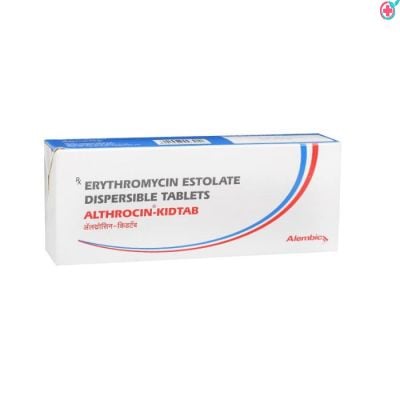
Erythrocin Tablet (Erythromycin) | Ery Tab | Macrolide Antibiotic Used to Treat Bacterial Infections
Erythrocin Tablet contains Erythromycin, a macrolide antibiotic tablet that is used to treat various bacterial infections. It is effective for infections of the respiratory tract, skin infections, and other bacterial conditions, providing quick and reliable relief. This Erythromycin works by stopping the growth of bacteria, ensuring faster recovery and better health outcomes.


Product Overview
Erythrocin is a broad-spectrum macrolide antibiotic wich helps in combating diverse bacterial invasions. It contains Erythromycin which helps in preventing and treating infections of the body, including respiratory tract infections, skin infections, diphtheria, intestinal amebiasis, acute pelvic inflammatory disease, Legionnaire's disease, pertussis, and syphilis. It functions by penetrating bacterial cells and binding to their internal machinery to halt the production of vital proteins. This action prevents the bacteria from replicating, effectively neutralizing the infection. Because it shares a similar antibacterial reach with penicillins, it is a primary clinical choice for patients with beta-lactam sensitivities.
Product Composition
- Active Ingredient: Erythromycin (as Erythromycin Stearate or Estolate)
- Standard Strengths: 250 mg and 500 mg
- Pharmacological Class: Macrolide Antibiotic
- Inactive Components: Often includes povidone, magnesium stearate, and specialized film-coating agents to protect the active molecule from gastric acid.
Product Specification
| Feature | Details |
| Brand Name | Erythrocin |
| Active Molecule | Erythromycin |
| Dosage Form | Film-Coated Tablet |
| Therapeutic Target | Bacterial Protein Synthesis |
| Action Type | Bacteriostatic |
| Storage | Store below 30°C in a dry place |
Mechanism of Action
Erythrocin exerts its effects by targeting the specific biological processes unique to bacteria, ensuring high selectivity.
- Ribosomal Binding: The medication binds specifically to the 50S subunit of the bacterial ribosome.
- Protein Synthesis Inhibition: By blocking the translocation of peptide chains, it prevents the assembly of essential proteins required for bacterial survival and growth.
- Bacteriostatic Nature: While it primarily stops bacterial growth (allowing the immune system to do the rest), it can become bactericidal (killing bacteria) at higher concentrations against specific organisms.
- Intracellular Penetration: It is highly effective because it can enter and accumulate within human cells, making it useful against "atypical" bacteria that hide inside host cells.
Key Benefits
- Broad Antimicrobial Range: Effective against a wide variety of Gram-positive bacteria (like Streptococcus) and select Gram-negative organisms.
- Critical Penicillin Substitute: Acts as a safe and effective alternative for individuals who are allergic to penicillin or cephalosporin antibiotics.
- Respiratory Excellence: Particularly adept at treating "walking pneumonia" and other deep-seated lung infections that don't respond to standard treatments.
- Long-Term Acne Management: Used effectively in low-dose cycles to treat inflammatory acne by reducing skin bacteria and inflammation.
- Acid-Stable Formulation: The film-coated tablets are designed to bypass the harsh environment of the stomach, ensuring the drug is absorbed efficiently in the small intestine.
- Proven Clinical History: Decades of use have established clear guidelines for its safety and efficacy in both adult and pediatric populations.
Precautions
Using Erythrocin Tablet (Erythromycin) safely requires awareness of health conditions, lifestyle considerations, and proper usage.
General Safety Guidelines
- Follow the prescribed dosage for Erythromycin.
- Do not share Erythrocin tablets with others.
- Keep the medicine out of reach of children.
Medical Conditions to Consider
- Inform your doctor if you have kidney or digestive disorders.
- Patients with liver disease should be monitored during treatment.
- Avoid use if prone to heart rhythm disorders.
Usage and Administration Tips
- Take Erythromycin tablets on an empty stomach with a full glass of water.
- Drink plenty of water to reduce stomach irritation.
- Complete the full course to prevent bacterial resistance.
Lifestyle Precautions
- Use sun protection, as Erythromycin can increase photosensitivity.
- Avoid alcohol, which may reduce antibiotic effectiveness.
- Report persistent symptoms like rash or fever to your doctor.
Pregnancy and Breastfeeding
- Consult your doctor before using Erythrocin during pregnancy.
- Breastfeeding mothers should seek medical advice before taking Erythromycin.
Additional Precaution Table
| Condition/Scenario | Suggested Action | Reason |
|---|---|---|
| Allergic Reactions | Immediate medical attention | Prevent hypersensitivity reactions |
| Drug Interactions | Discuss all current medications | Avoid harmful interactions with Erythromycin |
| Liver Function | Regular tests | Prevent elevated liver enzymes |
| Heart Health | ECG monitoring if necessary | Avoid risk of arrhythmia |
| Children & Elderly | Adjusted dose | Ensure safe antibiotic therapy |
| Chronic Illness | Consult doctor | Minimize complications from underlying conditions |
Usage
Erythrocin is a potent antibiotic that requires a consistent dosing schedule to effectively eliminate bacteria. To ensure the infection is fully cleared, the medication must be taken for the entire duration prescribed.
Dosage and Administration
Consistency: Take the tablets at evenly spaced intervals (e.g., every 6 or 12 hours) to maintain a steady concentration of the drug in your bloodstream.
Timing with Food: For optimal absorption, take Erythrocin on an empty stomach, at least 30 minutes to 2 hours before a meal. If you experience significant stomach discomfort, you may take it with a light snack.
Method of Intake: Swallow the tablets whole with a full glass of water. Do not crush or chew film-coated tablets, as they are designed to protect the medication from stomach acid.
Full Course Completion: Always finish the entire prescription. Stopping the medication prematurely, even if symptoms vanish, can allow the infection to return and promote antibiotic resistance.
Missed Dose: Take it as soon as you remember. If it is nearly time for the next dose, skip the missed one. Never double the dose to catch up.
Administration Guidelines
| Age Group | Typical Frequency | Instruction |
| Adults | Every 6 to 12 hours | Depending on infection severity |
| Children | Based on body weight | Divided into multiple daily doses |
| Renal Patients | Standard dosing | Generally no adjustment needed |
Uses
Erythrocin is utilized to treat a broad spectrum of acute and chronic bacterial infections, particularly those affecting the respiratory system and soft tissues.
Respiratory Tract Infections: Highly effective in treating pneumonia, bronchitis, and tonsillitis caused by susceptible organisms.
Skin and Soft Tissue Infections: Used to cure inflammatory acne, boils, and cellulitis.
Penicillin-Allergic Patients: Serves as an alternative in treating infections like strep throat or scarlet fever in individuals who are allergic to penicillin.
Sexually Transmitted Infections (STIs): Prescribed for certain infections like syphilis and chlamydia, especially for pregnant females when other options are restricted.
Intestinal Infections: Used in the treatment of intestinal amebiasis (a parasitic/bacterial infection).
Prophylactic Use: Used to prevent recurrence of rheumatic fever in patients which are penicillin-allergic.
Whooping Cough (Pertussis): Administered to reduce the severity of symptoms and prevent the spread of the bacteria to others.
Diphtheria Management: Used both to treat the infection and to prevent the person from becoming a carrier who spreads the disease.
Side Effects
Erythrocin Tablet (Erythromycin) is generally well-tolerated, but some people may experience mild to moderate side effects.
Common Side Effects
- Nausea and vomiting
- Stomach discomfort or abdominal pain
- Diarrhea or loose stools
- Mild skin rash or itching
- Headache
Serious Side Effects and Warnings
| Side Effect | Recommended Action | Notes |
|---|---|---|
| Severe allergic reaction (swelling, difficulty breathing) | Seek immediate medical attention | Can be life-threatening if untreated |
| Liver problems (yellowing of eyes or skin) | Stop medication and consult doctor | May indicate liver injury |
| Heart rhythm disturbances (irregular heartbeat) | Contact doctor immediately | Risk of QT prolongation |
| Persistent or severe diarrhea | Report to doctor | May indicate Clostridium difficile infection |
Less Common Side Effects to Monitor
- Dizziness or lightheadedness
- Loss of appetite
- Mild fatigue
FAQs
Q. What is Erythrocin Tablet used for?
A. Erythromycin is an antibiotic used to treat a variety of bacterial infections, including respiratory tract infections, skin infections, and other bacterial conditions.
Q: Can I stop taking Erythrocin as soon as my symptoms disappear?
A. No. It is essential to complete the full course of the antibiotic as prescribed, even if you feel better after a few days. Stopping treatment early can allow the bacteria to multiply, leading to a relapse.
Q: What should I do if I miss a dose?
A. Take the missed dose as soon as you remember. If it is time for your next scheduled dose, skip the missed one and continue with your regular timing. Do not double dose.
Q: Why is Erythrocin often taken on an empty stomach?
A. For the best absorption, it is generally recommended to take the tablets at least 30 minutes to 2 hours before a meal. However, if the medication causes significant stomach upset, it may be taken with a small amount of food to improve tolerance.
Q: Can I take Erythrocin if I am allergic to Penicillin?
A. Yes. Erythromycin belongs to the macrolide class, which is chemically different from penicillins. It is a common and effective alternative for patients who have a confirmed penicillin allergy.
Q: Does Erythrocin interact with other medications?
A. Yes, this medication can interact with several drugs, including certain blood thinners (Warfarin), cholesterol medications (Statins), and some anti-seizure drugs. It is important to disclose all current medications to a professional before starting treatment.
Q: Are there any common side effects I should watch for?
A. The most frequent side effects are gastrointestinal, including nausea, vomiting, stomach cramps, and diarrhea. These are generally mild, but if you experience severe diarrhea or a persistent skin rash, seek medical advice immediately.
Q: Can I drink alcohol while on this antibiotic?
A. While alcohol does not directly stop the antibiotic from working, it can increase the risk of stomach irritation and dehydration, which may worsen side effects like nausea or dizziness. It is best to avoid alcohol until the infection has cleared.
Q: Is it safe to take Erythrocin during pregnancy?
A. Erythromycin has been used for many years and is generally considered one of the safer antibiotics during pregnancy. However, it should only be used under professional guidance to ensure the specific form (e.g., stearate vs. estolate) is appropriate.
Q: Can I use Erythrocin to treat a common cold or the flu?
A. No. Erythrocin is an antibiotic designed to kill bacteria. It is not effective against viral infections like the common cold, the flu, or most sore throats. Using antibiotics for viral illnesses can contribute to future drug resistance.
Interactions
Common Drug Interactions
- Anticoagulants (Warfarin): May increase bleeding risk.
- Statins (Simvastatin, Atorvastatin): Can increase the chance of muscle problems.
- Anticonvulsants (Carbamazepine, Phenytoin): May reduce the effectiveness of the antibiotic.
- Antiarrhythmics (Amiodarone, Quinidine): Can increase the risk of abnormal heart rhythms.
- Other Antibiotics: Concurrent use may reduce efficacy or increase side effects.
Food and Lifestyle Interactions
- Avoid grapefruit and grapefruit juice, which may affect drug metabolism.
- Alcohol can reduce antibiotic effectiveness and worsen stomach irritation.
Interaction Table
| Drug/Food | Interaction Effect | Recommended Action |
|---|---|---|
| Warfarin | Increased bleeding risk | Monitor INR and consult doctor |
| Simvastatin / Atorvastatin | Muscle pain or weakness | Temporary dose adjustment or alternative therapy |
| Carbamazepine / Phenytoin | Reduced antibiotic effect | Doctor may adjust dose |
| Amiodarone / Quinidine | Risk of heart rhythm problems | Avoid combination if possible |
| Grapefruit | Affects drug metabolism | Avoid consumption during treatment |
| Alcohol | Reduced efficacy and GI irritation | Limit or avoid alcohol |
| Manufacturer | : | Pfizer Ltd, India |
| Trade Name | : | Ery Tab |
| Generic Search | : | Erythromycin |
| Strength | : | 250 mg |
Certified Content

Dr. Priya Nair
Clinical Pharmacist & Senior Drug Information Specialist | 9 years
Pharm.D. (Doctor of Pharmacy)
Latest Products