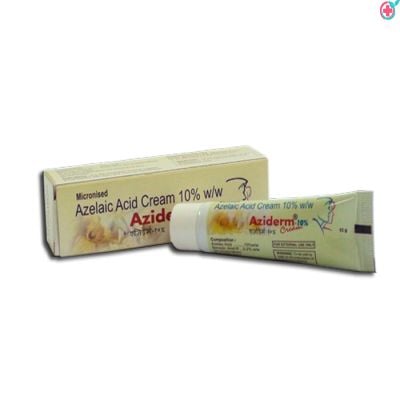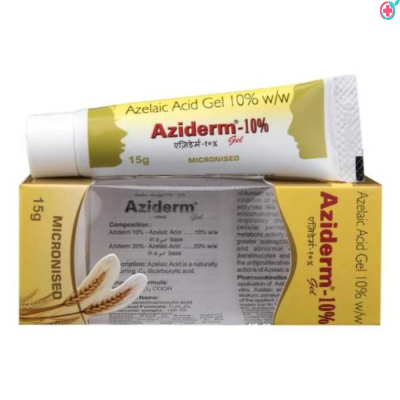
Azelax Cream (Azelaic Acid) | Finacea Alternative | Used To Treat Mild-To-Moderate Acne
Azelax Cream (Azelaic Acid) is a topical treatment for acne, rosacea, and hyperpigmentation. It reduces inflammation, kills acne-causing bacteria, and promotes clearer, smoother skin.


Product Overview
Azelax Cream (Azelaic Acid) is a versatile topical treatment primarily used for the management of acne vulgaris and inflammatory rosacea. It contains Azelaic Acid, a naturally occurring dicarboxylic acid that possesses antibacterial, anti-inflammatory, and keratolytic properties. Unlike more aggressive chemical treatments, Azelax works by gently normalizing the growth of skin cells and clearing the pores of acne-causing bacteria. Furthermore, it is highly effective in treating post-inflammatory hyperpigmentation, as it selectively targets overactive melanocytes (pigment-producing cells) to even out skin tone. Its cream formulation is designed to be skin-friendly, making it a suitable choice for individuals with sensitive or reactive skin types who require a multi-functional dermatological solution.
Product Composition
- Active Ingredient: Azelaic Acid (20% w/w variants)
- Base: Emollient, non-comedogenic cream base.
- Excipients: Benzoic acid (preservative), isopropyl myristate, glycerol, and purified water.
- Formulation: Smooth, white topical cream.
- Action Category: Dicarboxylic Acid / Antiacne agent.
Product Specifications
| Feature | Description |
| Therapeutic Class | Antiacne and Antirosacea |
| Route of Administration | Topical (External) |
| Action Type | Comedolytic and Antibacterial |
| Primary Indication | Acne vulgaris and Rosacea |
| Skin Compatibility | Suitable for acne-prone and hyperpigmented skin |
Mechanism of Action
- Antimicrobial Action: Azelaic Acid inhibits the growth of Propionibacterium acnes and Staphylococcus epidermidis by interfering with their cellular protein synthesis.
- Keratinization Normalization: It reduces the thickness of the stratum corneum by inhibiting the synthesis of keratin, which prevents the formation of comedones (blackheads and whiteheads).
- Anti-inflammatory Effect: It acts as an antioxidant, scavenging free radicals and reducing the production of pro-inflammatory reactive oxygen species.
- Selective Melanocyte Inhibition: Azelax inhibits the enzyme tyrosinase, which is essential for melanin production. It specifically targets hyperactive melanocytes without affecting normal skin pigmentation.
Key Benefits
- Dual-Action Healing: Simultaneously treats active acne breakouts while fading the dark spots (hyperpigmentation) left behind by old blemishes.
- Non-Antibiotic Treatment: Since it is an acid and not a traditional antibiotic, there is no risk of developing bacterial resistance with long-term use.
- Gentle Exfoliation: Refines skin texture by preventing the buildup of dead skin cells that clog pores.
- Redness Reduction: Effectively calms the persistent redness and visible blood vessels associated with inflammatory rosacea.
- High Tolerance: Generally better tolerated than benzoyl peroxide or retinoids, making it ideal for long-term maintenance therapy.
Usage
Usage Guidelines
| Step | Instruction |
| Cleaning | Wash the skin with a mild soap or soap-free cleanser and pat dry thoroughly. |
| Dispensing | Squeeze a small amount of cream (approximately 0.5 grams) onto a clean fingertip. |
| Application | Apply a thin layer to the entire affected area, not just the individual spots. |
| Absorption | Gently rub the cream into the skin until it is fully absorbed. |
| Hand Hygiene | Wash your hands immediately after application to avoid accidental contact with eyes. |
Dosage & Administration
Azelax Cream should be integrated into a regular skincare routine for optimal results:
Apply the cream twice daily, once in the morning and once in the evening.
If you have very sensitive skin, start with once-daily application (in the evening) for the first week, then increase to twice daily.
The duration of use varies; while initial improvement is often seen within 4 weeks, it may take several months of consistent use for full therapeutic benefits.
Azelax is a non-comedogenic formula, meaning it will not clog pores, but you should wait for the cream to dry before applying makeup or sunscreen.
It is essential to use a broad-spectrum sunscreen during the day, as azelaic acid can make the skin more sensitive to environmental factors.
Avoid using harsh or abrasive cleansers, alcoholic solutions, or astringents on the treated areas to prevent excessive irritation.
In the event of severe skin irritation, reduce the frequency of application or temporarily discontinue use until the irritation subsides.
Uses
Acne Vulgaris: Treats mild to moderate inflammatory and non-inflammatory acne by clearing pores and reducing acne-causing bacteria.
Rosacea: Effectively manages the redness, bumps, and pustules associated with inflammatory rosacea.
Post-Inflammatory Hyperpigmentation: Fades dark spots and skin discoloration that often remain after acne lesions have healed.
Melasma: Specifically targets and lightens patches of hyperactive pigmentation on the face and neck.
Comedone Prevention: Prevents the formation of new blackheads and whiteheads by normalizing the shedding of skin cells.
Side effects
Common Side Effects
- Mild burning or stinging sensation at the application site
- Skin dryness or flaking
- Mild redness or irritation
- Itching or tingling sensation
Less Common Side Effects
- Temporary worsening of acne during initial use (“purging” effect)
- Skin sensitivity or tightness
- Mild peeling of skin
- Slight change in skin color in treated areas
Rare Side Effects
| Rare Side Effect | Description |
|---|---|
| Severe Irritation | Intense redness, burning, or discomfort requiring discontinuation |
| Allergic Reaction | Rash, swelling, or severe itching due to hypersensitivity |
| Contact Dermatitis | Skin inflammation caused by reaction to ingredients |
| Hypopigmentation | Lightening of skin in treated areas |
| Persistent Sensitivity | Ongoing irritation despite reduced usage |
Safety Note
- Discontinue use if severe irritation or allergic reaction occurs
- Consult a dermatologist if side effects persist or worsen
- Mild irritation is common initially but should improve with continued use
- Use sunscreen daily to reduce irritation and prevent pigmentation changes
FAQs
Q: What is Azelax Cream used for?
A: Azelax Cream is used for the treatment of acne vulgaris, rosacea, and hyperpigmentation including melasma and post-inflammatory hyperpigmentation. It contains Azelaic Acid, a naturally occurring dicarboxylic acid that fights acne-causing bacteria, reduces skin inflammation, normalises keratinisation, and suppresses melanin production for clearer, calmer, and more evenly toned skin.
Q: How does Azelax Cream work?
A: Azelax Cream works through multiple mechanisms of action. It inhibits the growth of Propionibacterium acnes, the bacteria responsible for acne. It reduces skin inflammation and redness associated with acne and rosacea. It normalises the abnormal keratinisation process that leads to clogged pores and comedone formation. It also inhibits Tyrosinase activity to reduce melanin production and lighten dark spots and hyperpigmentation for a more even complexion.
Q: How should I apply Azelax Cream?
A: Clean and dry the affected area thoroughly before application. Apply a thin and even layer of Azelax Cream to the affected skin and gently massage until absorbed. Use once or twice daily as directed by your dermatologist. Always follow with a broad spectrum sunscreen during the day for best results. Wash hands before and after application.
Q: How long does it take to see results with Azelax Cream?
A: Most users begin to notice a visible reduction in acne, redness, and inflammation within 4 to 6 weeks of consistent use. For hyperpigmentation and melasma, visible brightening and evening of skin tone typically become apparent within 8 to 12 weeks of regular application. Consistent daily use is essential for optimal and lasting results.
Q: Can Azelax Cream be used for post-inflammatory hyperpigmentation?
A: Yes, Azelax Cream is effective for reducing post-inflammatory hyperpigmentation, which refers to dark marks left behind after acne breakouts or skin inflammation. Its melanin-inhibiting and anti-inflammatory properties work together to fade post-acne marks and restore a more even and uniform complexion with regular use.
Q: Is Azelax Cream suitable for sensitive skin?
A: Yes, Azelaic Acid is generally well tolerated and considered one of the gentler active ingredients for sensitive skin compared to retinoids and strong exfoliating acids. However, some individuals may experience mild tingling, stinging, or dryness during the initial weeks of use. Perform a patch test before full application and consult a dermatologist if irritation persists.
Q: Can Azelax Cream be used for all skin types?
A: Yes, Azelax Cream is suitable for all skin types including normal, dry, oily, combination, and sensitive skin. Its gentle yet effective formulation makes it a versatile treatment option for a wide range of skin concerns without the harsh side effects associated with stronger topical treatments such as retinoids or high-concentration acids.
Q: Can I use Azelax Cream with other skincare products?
A: Azelax Cream can generally be incorporated into your regular skincare routine. It can be used alongside gentle cleansers, non-comedogenic moisturisers, and sunscreen. Avoid combining it with other strong active ingredients such as high-concentration retinoids or exfoliating acids without consulting a dermatologist to prevent skin irritation or sensitivity.
Q: Can Azelax Cream be used during the day?
A: Yes, Azelax Cream can be used during the day and at night. However, always apply a broad spectrum sunscreen with SPF 30 or higher after daytime application as sun exposure can worsen hyperpigmentation and reduce the effectiveness of the treatment. Sun protection is a critical step in achieving optimal results with Azelax Cream.
Q: Is Azelax Cream safe for long-term use?
A: Yes, Azelaic Acid is considered safe for long-term use and is one of the few active ingredients suitable for extended treatment of chronic conditions such as rosacea and melasma. Regular dermatologist check-ins are recommended to monitor skin response and adjust the treatment plan if needed for continued safe and effective use.
Q: Is Azelax Cream safe during pregnancy and breastfeeding?
A: Azelaic Acid is generally considered one of the safer topical treatment options during pregnancy compared to other acne and pigmentation treatments such as retinoids and hydroquinone. However, pregnant and breastfeeding women should always consult their doctor before using Azelax Cream to ensure safe and appropriate use during this period.
Q: What should I do if I experience irritation after using Azelax Cream?
A: Mild tingling or stinging during the initial weeks of use is common and usually resolves as the skin adjusts to the treatment. If you experience persistent redness, burning, or significant irritation, reduce application frequency to once daily or every other day and consult your dermatologist for further guidance and personalised treatment adjustments.
Interactions
Topical Product Interactions
- Avoid using with strong exfoliants like AHAs (glycolic acid), BHAs (salicylic acid), or retinoids unless directed by a dermatologist, as they may increase irritation
- Do not combine with harsh acne treatments or abrasive scrubs on the same area
- Can be used with gentle moisturizers and sunscreen to reduce dryness and improve tolerance
- Avoid alcohol-based skincare products that may increase skin irritation
Medication and Treatment Interactions
| Product / Treatment | Interaction Effect |
|---|---|
| Topical Retinoids | Increased dryness, redness, and peeling when used together |
| Benzoyl Peroxide | May increase irritation and skin sensitivity |
| Strong Chemical Peels | Can significantly irritate or over-exfoliate the skin |
| Other Acne Medications | Should be used under dermatologist guidance to avoid overlap or irritation |
Lifestyle and Usage Interactions
- Always use sunscreen during the day, as Azelaic Acid may increase sun sensitivity
- Avoid over-cleansing the skin, which can worsen dryness and irritation
- Introduce new skincare products gradually to monitor skin response
Important Notes
- Inform your dermatologist about all skincare products you are using
- Avoid layering multiple strong actives without professional guidance
- Discontinue use and seek medical advice if severe irritation or allergic reaction occurs
- Use consistently as prescribed for best results in acne and pigmentation control
| Manufacturer | : | Healing Pharma |
| Trade Name | : | Finacea Cream |
| Generic Search | : | Azelaic Acid |
| Strength | : | 20% W/W |
Certified Content

Dr. Priya Nair
Clinical Pharmacist & Senior Drug Information Specialist | 9 years
Pharm.D. (Doctor of Pharmacy)
Latest Products