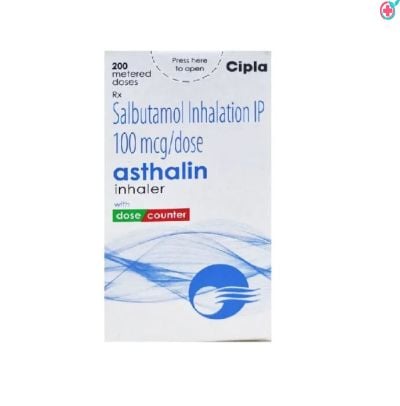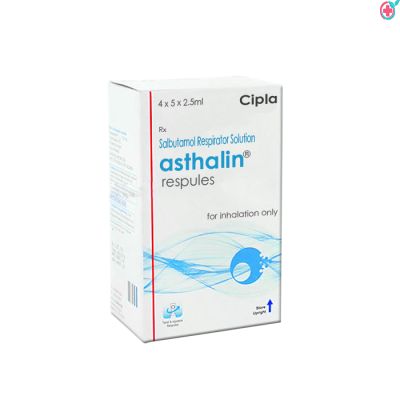
Asthalin Tablets (Salbutamol Ventolin) | Treatment for Asthma, COPD and Bronchial Spasm
Asthalin is used to relieve symptoms of asthma. It is a bronchodilator medicine that is used to relieve bronchospasms such as wheezing and shortness of breath.


Product Overview
Asthalin Tablets are bronchodilator medicines used to relieve asthma, chronic obstructive pulmonary disease (COPD), and bronchospasm. Asthalin Tablet contains Salbutamol (also known as Albuterol), a short-acting beta2-adrenergic receptor agonist. It is a cornerstone medication for the management of reversible airway obstruction, providing rapid and effective bronchodilation. By relaxing the smooth muscles of the bronchial tree, it facilitates easier breathing in patients suffering from asthma and other chronic obstructive pulmonary conditions.
Product Composition
- Active Ingredient: Salbutamol Sulfate (equivalent to 2 mg or 4 mg Salbutamol base)
- Formulation: Oral tablet for systemic absorption
- Action Category: Short-acting beta2-agonist (SABA)
- Excipients: Lactose, starch, magnesium stearate, and stabilizing film-coating agents
Product Specifications
| Feature | Description |
| Therapeutic Class | Bronchodilator |
| Route of Administration | Oral |
| Primary Indication | Bronchospasm management |
| Onset of Action | 30 to 60 minutes (oral administration) |
| Duration of Effect | 4 to 6 hours |
Mechanism of Action
- Beta2-Receptor Activation: Selectively binds to and stimulates beta2-adrenergic receptors located in the bronchial smooth muscle.
- Adenylate Cyclase Stimulation: Triggers the enzyme adenylate cyclase, which increases intracellular levels of cyclic adenosine monophosphate (cAMP).
- Bronchial Smooth Muscle Relaxation: The elevated cAMP levels lead to a reduction in intracellular calcium, resulting in the relaxation of bronchial smooth muscle and subsequent bronchodilation.
- Mast Cell Stabilization: Provides some inhibitory effect on the release of inflammatory mediators (such as histamine) from mast cells within the airway.
Key Benefits
- Rapid Airway Relief: Effectively alleviates bronchospasm and wheezing, improving air exchange in patients with asthma or chronic bronchitis.
- Preventative Utility: When taken prior to exertion, it can help prevent exercise-induced bronchospasm.
- Therapeutic Flexibility: Oral tablets serve as a reliable alternative or adjunct to inhaler therapy, particularly in patients who struggle with the technique or compliance required for pressurized metered-dose inhalers.
- Consistent Bronchial Support: Maintains airway patency over several hours, helping to manage symptoms throughout the day or night.
Precautions
Medical supervision
- Use only under prescription as Salbutamol is a strong bronchodilator affecting the heart and lungs
- Do not exceed the prescribed dose or frequency
- Not intended for sudden severe asthma attacks unless advised by a doctor
Health conditions
| Condition | Precaution |
|---|---|
| Heart disease | Use cautiously due to risk of increased heart rate and palpitations |
| High blood pressure | May worsen blood pressure control |
| Diabetes | Can affect blood sugar levels and requires monitoring |
| Thyroid disorders | May increase sensitivity to side effects |
Cardiovascular safety
- Monitor heart rate regularly during treatment
- Report chest pain, palpitations, or irregular heartbeat immediately
Usage precautions
- Avoid overuse as it may reduce effectiveness and increase side effects
- Do not combine with other similar bronchodilators without medical advice
- Use inhaler forms if prescribed for acute asthma attacks instead of tablets when advised
Lifestyle precautions
- Avoid caffeine and stimulants as they may increase nervousness or palpitations
- Stay hydrated and maintain electrolyte balance during treatment
- Avoid smoking as it worsens respiratory conditions
Monitoring advice
- Regular monitoring of lung function may be required
- Watch for worsening breathing symptoms or reduced response to medication
- Seek immediate medical help if asthma symptoms become severe or unresponsive to treatment
Usage
Dosage
The dosage is individualized based on the severity of the condition and the patient's age. The medication should be taken at regular intervals as prescribed.
| Aspect | Instruction |
| Initial Adult Dose | 2 mg to 4 mg three or four times daily |
| Maximum Dose | 8 mg four times daily (as directed by physician) |
| Administration Route | Oral |
| Consistency | Maintain regular intervals for steady control |
Administration
Consistent Dosing: Take your tablets exactly as scheduled to keep your airways open throughout the day and night.
With or Without Food: You may take the tablets with or without food; taking them with a glass of water can assist with digestion.
Missed Dose: If you miss a dose, take it as soon as you remember. If it is nearly time for your next dose, skip the missed one and continue your regular schedule; do not take a double dose.
Storage: Store the tablets in a cool, dry place away from direct heat and light. Keep the medication out of reach of children.
Uses
Asthma Management: Indicated for the relief and prevention of bronchospasm in patients with bronchial asthma.
Chronic Obstructive Pulmonary Disease (COPD): Used to improve airflow and alleviate symptoms in patients with chronic bronchitis or emphysema characterized by reversible airway obstruction.
Exercise-Induced Bronchospasm: Utilized to prevent the development of bronchospasm triggered by physical exertion when taken before exercise.
Reversible Airway Obstruction: Serves as a primary therapeutic agent to relax bronchial smooth muscle, facilitating easier breathing in various respiratory conditions.
Adjunctive Therapy: Can be used alongside other treatments, such as inhaled corticosteroids, to manage complex respiratory symptoms effectively.
Side effects
Common side effects
- Tremors or shakiness in hands
- Nervousness or restlessness
- Headache
- Increased heart rate or palpitations
- Muscle cramps
Serious side effects
| Body System | Possible Effects |
|---|---|
| Cardiovascular | Chest pain, severe palpitations, irregular heartbeat |
| Metabolic | Low potassium levels (hypokalemia) |
| Nervous system | Severe dizziness or agitation |
| Respiratory | Paradoxical bronchospasm (worsening breathing in rare cases) |
| Allergic reactions | Rash, swelling, or breathing difficulty |
Warning signs requiring medical attention
- Worsening shortness of breath or asthma symptoms
- Severe chest pain or irregular heartbeat
- Persistent tremors or extreme nervousness
- Muscle weakness or signs of low potassium
- Swelling of face, lips, or throat or allergic reactions
FAQ’s
Q: Is Asthalin a steroid?
A: No, Asthalin Respules is not a steroid medication.
Q: Can I use Asthalin for a cough?
A: Asthalin AX Syrup is a combination medicine used to treat cough with mucus.
Q: Is it safe to take Asthalin with my antiepileptic medication?
A: No, Asthalin should not be taken with medications used to treat seizures, as this could worsen your condition and cause symptoms such as confusion, slurred speech, tremors, convulsions, or loss of muscle tone or tension.
Q: Does Asthalin have any specific contraindications?
A: Yes, Asthalin is contraindicated in patients allergic to any of its ingredients. It should not be taken with beta-blockers like propranolol.
Q: Can Asthalin cause fatigue?
A: Yes, Asthalin can sometimes lower potassium levels in your body, which may make you feel tired and unwell. If you experience these symptoms, please consult your doctor.
Q: Can I use Asthalin to relieve coughs and colds?
A: No, Asthalin is intended only for managing respiratory conditions such as asthma and COPD, not for treating coughs and colds.
Q: What is the primary purpose of Asthalin Tablets?
A: It is a bronchodilator used to prevent and treat wheezing and shortness of breath caused by breathing problems such as asthma and chronic obstructive pulmonary disease (COPD).
Q: How do Asthalin tablets compare to inhalers?
A: Inhalers provide a faster onset of action because the medicine goes directly to the lungs. Tablets are absorbed into the bloodstream, meaning they take longer to start working but offer a longer duration of effect for systemic airway support.
Q: Is it safe to take Asthalin if I have heart problems?
A: You should use caution. Because Salbutamol can stimulate beta-receptors in the heart, it may cause an increased heart rate or palpitations. Always discuss your full cardiac history with your doctor before starting this medication.
Q: Can I take Asthalin with other asthma medications?
A: Yes, it is often prescribed alongside maintenance inhalers or steroid treatments. However, you must inform your doctor of all your current medications to prevent potential drug interactions.
Q: What should I do if I notice the medication is becoming less effective?
A: If you find you need to take more tablets than usual or if your symptoms are not improving, contact your healthcare provider immediately. This may indicate that your asthma is not well-controlled and your treatment plan needs adjustment.
Q: What are the common side effects?
A: The most frequent side effects include fine tremors (especially in the hands), palpitations, muscle cramps, and nervousness. These usually subside as your body adjusts to the medication.
Interactions
Drug interactions
- Beta-blockers may reduce the effect of Salbutamol and worsen breathing symptoms
- Diuretics may increase the risk of low potassium levels when used with Asthalin Tablets
- Other bronchodilators can cause additive effects leading to increased heart rate or tremors
- MAO inhibitors and tricyclic antidepressants may enhance cardiovascular side effects
- Digoxin levels may be reduced, affecting heart condition control
Medicine combination effects
| Medicine Type | Interaction Effect |
|---|---|
| Beta-blockers | Reduced bronchodilator effect and possible bronchospasm |
| Diuretics | Increased risk of hypokalemia (low potassium) |
| Other bronchodilators | Additive side effects like tremors and palpitations |
| MAO inhibitors | Increased cardiovascular stimulation |
| Digoxin | Reduced effectiveness of heart medication |
Food and lifestyle interactions
- Caffeine may increase nervousness, tremors, and heart palpitations
- Smoking can worsen respiratory condition and reduce medicine effectiveness
- Alcohol does not have a direct interaction but may worsen dizziness in some patients
Clinical monitoring
- Monitor heart rate and potassium levels during long-term therapy
- Inform your doctor about all ongoing medications before starting Asthalin Tablets (Salbutamol / Ventolin)
| Manufacturer | : | Cipla Pharma, India |
| Trade Name | : | Ventolin |
| Generic Search | : | Salbutamol |
| Strength | : | 2mg, 4mg |
Certified Content

Dr. Priya Nair
Clinical Pharmacist & Senior Drug Information Specialist | 9 years
Pharm.D. (Doctor of Pharmacy)
Latest Products