Amaryl (Glimepiride) Tablet Used to Manage Type 2 Diabetes
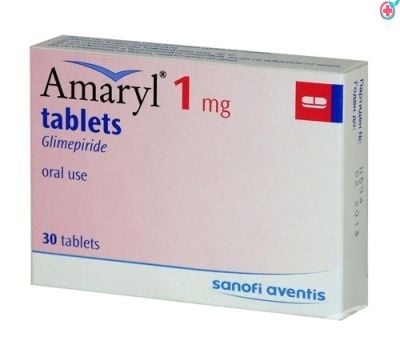
Amaryl Tablet (Glimepiride) is an oral medication used to manage type 2 diabetes by lowering blood sugar levels. It works by stimulating insulin release from the pancreas and is commonly prescribed when diet and exercise alone are not enough.


Product Overview
Amaryl Tablet is a high-potency, third-generation sulfonylurea used for the effective management of Type 2 Diabetes Mellitus. Featuring the active ingredient Glimepiride, it is designed to lower blood glucose by stimulating the natural release of insulin from the pancreas. Amaryl is recognized for its rapid onset of action and its ability to provide 24-hour glycemic control with a single daily dose. By mimicking the body’s physiological response to glucose, it helps maintain a stable metabolic environment, reducing the risk of the long-term complications associated with chronic high blood sugar.
Product Composition
- Active Ingredient: Glimepiride
- Strengths: Commonly available in 1mg, 2mg, 3mg tablets.
- Drug Class: Third-Generation Sulfonylurea
- Formulation: Oral tablet optimized for once-daily administration.
Product Specification
| Feature | Details |
| Therapeutic Category | Oral Hypoglycemic / Antidiabetic Agent |
| Primary Indication | Management of Type 2 Diabetes Mellitus |
| Pharmacological Action | Stimulation of pancreatic Beta-cell insulin secretion |
| Duration of Effect | Approximately 24 hours |
| Storage | Store at room temperature (20°C to 25°C) in a dry place |
Mechanism of Action
- Insulin Secretagogue: Amaryl works by binding to ATP-sensitive potassium channels on the surface of pancreatic beta cells. This binding triggers a sequence of events that results in the release of stored insulin into the bloodstream.
- Glucose Sensitization: Beyond its primary action on the pancreas, Glimepiride may also improve the sensitivity of peripheral tissues (such as fat and muscle cells) to insulin, allowing for better glucose uptake.
- Post-Prandial Regulation: It is particularly effective at stimulating the "first phase" of insulin secretion, which helps control the sharp rise in blood sugar that occurs immediately after consuming a meal.
- Extrapancreatic Effects: The medication also plays a role in reducing the production of glucose by the liver, further contributing to a stabilized serum glucose level.
Key Benefits
- Once-Daily Convenience: The long-acting nature of Glimepiride allows for a simplified treatment regimen, improving patient adherence and daily consistency.
- Potent HbA1c Reduction: Highly effective at lowering Glycated Hemoglobin (HbA1c), the gold standard for monitoring long-term diabetes control.
- Rapid Response: Patients often see a noticeable improvement in their blood sugar readings shortly after beginning the medication.
- Flexible Combinations: Can be used safely as a monotherapy or in combination with other antidiabetic agents like Metformin or Insulin for enhanced metabolic support.
- Vascular Protection: By keeping blood sugar within a target range, it helps protect the small blood vessels in the eyes, kidneys, and nerves from diabetic damage.
Precautions
| General Precaution | Details |
|---|---|
| Regular blood sugar monitoring | Amaryl Tablet requires frequent monitoring to avoid low or high sugar levels |
| Do not skip meals | Missing meals may increase risk of hypoglycemia (low blood sugar) |
| Alcohol caution | Alcohol may increase risk of low blood sugar and side effects |
| Dose consistency | Take at the same time daily for stable blood sugar control |
| Caution in kidney or liver issues | May require dose adjustment in organ impairment |
Blood Sugar Safety Care
Glimepiride increases insulin release, so maintaining regular meals is essential to prevent hypoglycemia.
- Watch for symptoms like sweating, dizziness, or shakiness
- Carry a quick source of sugar (glucose tablets or juice)
- Do not adjust dose without guidance
Lifestyle and Diet Precautions
- Follow a balanced diabetic diet plan
- Avoid skipping meals or long fasting periods
- Maintain regular physical activity
- Limit high sugar foods and refined carbohydrates
Kidney and Liver Safety
- Use with caution in kidney or liver impairment
- Periodic health checks may be recommended
- Report unusual fatigue, weakness, or confusion
Alcohol and Hydration Advice
- Alcohol may increase risk of hypoglycemia
- Stay well hydrated, especially during illness or hot weather
During Illness or Stress
- Blood sugar levels may fluctuate during infections or stress
- Monitor glucose more frequently during such periods
Pregnancy and Breastfeeding
- Use only if clearly needed
- Dose adjustments may be required under guidance
Storage and Safety Advice
- Store in a cool, dry place away from heat and moisture
- Keep out of reach of children
- Do not use expired tablets
Usage
To achieve the best results with Amaryl Tablet, it must be integrated into a daily routine that includes a healthy diet and consistent physical activity. Because Glimepiride actively stimulates the pancreas to release insulin, precise timing is necessary to ensure the medication aligns with food intake. This prevents the blood sugar from dropping too low and maintains a steady metabolic balance throughout the day.
Dosage and Administration
Standard Frequency: The medication is typically taken once per day.
Timing: It is highly recommended to take Amaryl shortly before or during the first main meal of the day (usually breakfast).
Consistency: Take the tablet at the same time each morning to ensure 24-hour glycemic coverage.
Administration: Swallow the tablet whole with a glass of water. Do not crush or chew the tablet, as it is designed for a specific absorption rate.
Missed Dose: If a dose is missed, it should be taken with the next meal of the day. However, if it is almost time for the next day's dose, skip the missed one. Never take a double dose to compensate.
Monitoring: Regular monitoring of blood glucose levels is essential, especially during the first few weeks of treatment or when the dosage is being adjusted.
Uses
Amaryl Tablet is a specialized antidiabetic agent indicated for the long-term management of adult patients with Type 2 Diabetes. It is primarily used when blood sugar levels cannot be sufficiently controlled through diet and exercise alone.
Clinical Applications
| Category | Primary Therapeutic Goal |
| Type 2 Diabetes | Management of non-insulin-dependent diabetes to maintain target glucose levels. |
| Glycemic Control | Reduction of both fasting and post-prandial (after-meal) blood sugar spikes. |
| Monotherapy | Used as a standalone treatment for patients who cannot tolerate other antidiabetics. |
| Combination Therapy | Frequently used alongside Metformin or Insulin for patients requiring intensive blood sugar management. |
Targeted Action Areas
Pancreatic Stimulation: Directly targets the Beta-cells to ensure a timely and sufficient release of insulin in response to rising blood sugar.
Peripheral Uptake: Enhances the ability of muscle and fat cells to absorb glucose from the blood, reducing insulin resistance.
Hepatic Regulation: Assists in moderating the liver's production of glucose, preventing unnecessary sugar release during periods of fasting.
Complication Prophylaxis: By stabilizing blood chemistry, it helps prevent the onset of diabetic retinopathy (eye damage) and nephropathy (kidney damage).
Side Effects
Common Side Effects
Amaryl Tablet may cause mild side effects, especially when starting treatment or adjusting doses.
- Low blood sugar (hypoglycemia)
- Dizziness
- Headache
- Nausea
- Weakness or fatigue
- Weight gain
- Blurred vision
- Stomach discomfort
Serious Side Effects
| Serious Side Effect | Symptoms |
|---|---|
| Severe hypoglycemia | Confusion, fainting, seizures, excessive sweating |
| Allergic reaction | Rash, swelling, difficulty breathing |
| Liver problems | Yellowing of skin/eyes, dark urine, fatigue |
| Blood disorders (rare) | Unusual bruising, frequent infections, persistent fever |
| Severe skin reactions | Blistering, widespread rash, peeling skin |
Blood Sugar Related Effects
Glimepiride commonly lowers blood sugar levels, which may lead to hypoglycemia if meals are skipped or physical activity is increased.
Nervous System Effects
Dizziness, headache, and blurred vision may occur due to changes in blood glucose levels.
Metabolic Effects
Weight gain may occur in some individuals due to improved insulin activity and glucose utilization.
When to Seek Medical Help
Stop use and seek immediate medical attention if you experience severe low blood sugar symptoms, fainting, seizures, allergic reactions, or signs of liver problems.
FAQs
Q: What is Amaryl Tablet used for?
A: It is used to manage type 2 diabetes mellitus in adults. It helps lower and control blood sugar levels by stimulating the pancreas to produce and release more insulin.
Q: How does Amaryl Tablet work?
A: It works by stimulating the beta cells of the pancreas to produce and release more insulin. It also helps the body use insulin more effectively, resulting in better blood sugar control.
Q: How should I take Amaryl Tablet?
A: Take it once daily with or just before the first main meal of the day. Swallow the tablet whole with a full glass of water at the same time each day.
Q: What is the usual dose of Amaryl Tablet?
A: The usual starting dose is 1 mg once daily. Your doctor may gradually increase the dose to 2 mg, 3 mg, or 4 mg depending on your blood sugar levels and response to treatment. The maximum recommended dose is 6 mg daily.
Q: How long does it take to work?
A: Amaryl begins to lower blood sugar levels within a few hours of taking the first dose. However achieving stable blood sugar control may take several days to weeks depending on the individual.
Q: What if I miss a dose?
A: Take it as soon as you remember. If it is nearly time for the next dose, skip the missed one — never double up.
Q: Can I stop taking Amaryl Tablet once my blood sugar is under control?
A: No. Never stop taking it without consulting your doctor. Type 2 diabetes requires long-term management and stopping treatment can cause blood sugar levels to rise again.
Q: What are the most common side effects?
A: Low blood sugar (hypoglycaemia), nausea, vomiting, stomach upset, dizziness, and headache.
Q: What are the signs of low blood sugar (hypoglycaemia)?
A: Symptoms include shakiness, sweating, dizziness, confusion, rapid heartbeat, headache, hunger, and blurred vision. If this occurs consume a fast-acting sugar source such as glucose tablets or fruit juice and inform your doctor.
Q: Are there any serious side effects?
A: Yes — serious side effects can include severe hypoglycaemia, severe allergic reactions, liver problems, and blood disorders such as anaemia and low platelet count. Seek immediate medical attention if any serious symptoms occur.
Q: Who should avoid Amaryl Tablet?
A: Patients with type 1 diabetes, diabetic ketoacidosis, severe kidney or liver disease, known hypersensitivity to glimepiride or other sulphonylureas, and pregnant or breastfeeding women should avoid this medicine.
Q: Is Amaryl Tablet safe for patients with kidney problems?
A: Use with caution in patients with kidney impairment as glimepiride is primarily excreted by the kidneys. Dose adjustment may be required. Always inform your doctor about your kidney condition.
Q: Is it safe for patients with liver problems?
A: Use with caution in patients with liver disease as it may affect how the medicine is metabolised. Consult your doctor as dose adjustment or an alternative medicine may be needed.
Q: Is Amaryl Tablet safe for elderly patients?
A: It can be used in elderly patients but with caution as they are more prone to hypoglycaemia. Regular monitoring of blood sugar levels is essential.
Q: Can I drink alcohol while taking Amaryl Tablet?
A: It is best to avoid alcohol as it can increase the risk of hypoglycaemia and interfere with blood sugar control.
Q: Does Amaryl Tablet interact with other medicines?
A: Yes — notable interactions include other antidiabetic medicines, corticosteroids, beta-blockers, ACE inhibitors, NSAIDs, fluconazole, rifampicin, and certain antibiotics. Always inform your doctor of all medicines you are taking.
Q: Can Amaryl Tablet be used during pregnancy?
A: No. It is not recommended during pregnancy. Insulin is the preferred treatment for managing blood sugar during pregnancy. Consult your doctor immediately if you become pregnant while taking this medicine.
Q: Is it safe during breastfeeding?
A: No. It is not recommended during breastfeeding as glimepiride may pass into breast milk. Consult your doctor for a suitable alternative.
Q: Can I drive or operate machinery while taking Amaryl Tablet?
A: Use caution as hypoglycaemia can impair concentration and reaction time. Avoid driving or operating heavy machinery if you experience symptoms of low blood sugar.
Q: Can Amaryl Tablet be used alongside Metformin?
A: Yes. Glimepiride is commonly prescribed alongside metformin for better blood sugar control when one medicine alone is not sufficient. Always follow your doctor's instructions.
Interactions
| General Interaction | Details |
|---|---|
| Insulin and other antidiabetics | Increased risk of hypoglycemia (low blood sugar) |
| Alcohol | May increase risk of severe low blood sugar reactions |
| NSAIDs (painkillers) | Can enhance blood sugar-lowering effect |
| Corticosteroids | May reduce effectiveness by increasing blood sugar levels |
| Beta blockers | Can mask symptoms of low blood sugar |
| Antifungal drugs | May increase blood levels and side effects |
| Antibiotics (some types) | May affect blood glucose control |
Interaction with Diabetes Medicines
Amaryl Tablet should be used carefully with insulin or other antidiabetic medicines as it can significantly increase the risk of hypoglycemia (low blood sugar).
Interaction with Alcohol
Glimepiride combined with alcohol may cause unpredictable blood sugar drops and increase the risk of severe hypoglycemia.
Interaction with Blood Pressure Medicines
Beta blockers may hide warning signs of low blood sugar such as fast heartbeat or tremors, making it harder to detect hypoglycemia early.
Interaction with Steroids
Corticosteroids may raise blood sugar levels, reducing the effectiveness of Amaryl Tablet and requiring dose adjustments.
Interaction with Antifungal and Antibiotic Medicines
Certain antifungal and antibiotic drugs may increase the effect of Glimepiride, raising the risk of low blood sugar.
General Safety Advice
Always inform your healthcare provider about all medicines, supplements, and herbal products being used to ensure safe and effective diabetes management with Amaryl Tablet.
| Manufacturer | : | A. Menarini India Pvt Ltdine HCL) |
| Trade Name | : | Amaryl |
| Generic Search | : | Glimepiride |
| Strength | : | 1mg, 2mg, 3mg. |
Certified Content

Dr. Priya Nair
Clinical Pharmacist & Senior Drug Information Specialist | 9 years
Pharm.D. (Doctor of Pharmacy)
Latest Products