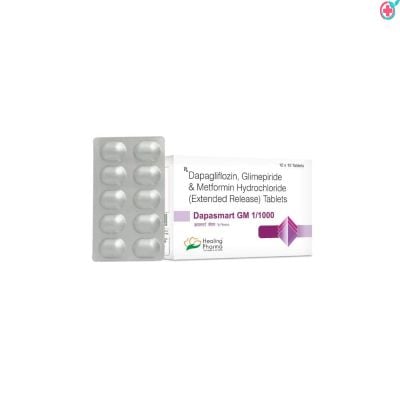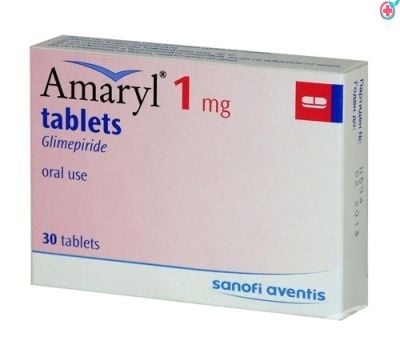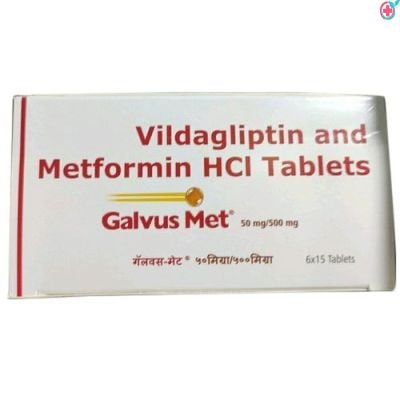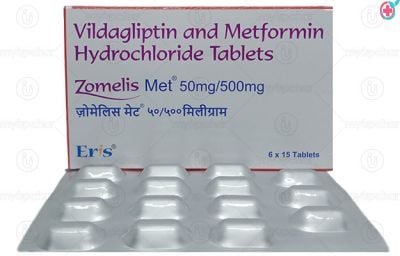
Glycoheal Tablet (Generic Metformin) | Glucophage | Used to Treat Type 2 Diabetes Mellitus & Control High Blood Sugar Levels
Glycoheal Tablet (Metformin) is an antidiabetic medicine used to control blood sugar levels in type 2 diabetes mellitus. Reduces glucose production in the liver and improves insulin sensitivity. Used alone or with other diabetes medicines.


Product Overview
Glycoheal Tablet is a foundational biguanide antidiabetic medication containing Metformin. It is globally recognized as the first-line pharmacological treatment for Type 2 Diabetes Mellitus. Unlike other classes of antidiabetics, it focuses on improving the body’s natural response to insulin and regulating hepatic glucose production, making it a highly effective and safe choice for long-term glycemic management.
Product Composition
- Active Ingredient: Metformin Hydrochloride
- Pharmacological Class: Biguanide
- Common Strengths: 500 mg, 850 mg, 1000 mg
- Formulation: Film-coated tablets (available in Immediate Release and Sustained Release)
- Excipients: May include povidone, magnesium stearate, and hypromellose
Product Specifications
| Feature | Specification |
| Drug Category | Oral Hypoglycemic Agent |
| Therapeutic Class | Insulin Sensitizer |
| Primary Goal | Reduction of HbA1c and Fasting Glucose |
| Weight Effect | Weight Neutral (often associated with modest weight loss) |
| Storage | Store in a dry place below 25°C |
Mechanism of Action
- Hepatic Glucose Suppression: Metformin primarily works by decreasing gluconeogenesis, which is the production of glucose by the liver. This is a key factor in controlling high fasting blood sugar levels.
- Insulin Sensitization: It increases the sensitivity of peripheral tissues (such as skeletal muscle) to insulin. This enhances glucose uptake and utilization by the cells, allowing the body to use its own insulin more effectively.
- Intestinal Absorption Delay: It slows down the absorption of glucose from the intestines into the bloodstream after a meal, reducing postprandial glucose spikes.
- AMPK Activation: At a molecular level, it activates the enzyme AMP-activated protein kinase (AMPK), which plays a crucial role in cellular energy homeostasis and lipid metabolism.
Key Benefits
- First-Line Efficacy: Highly reliable in lowering HbA1c levels and is often the first medication prescribed following a diabetes diagnosis.
- Low Hypoglycemia Risk: Unlike sulfonylureas or insulin, Metformin does not stimulate insulin secretion directly, meaning it rarely causes dangerously low blood sugar when used alone.
- Cardiovascular Protection: Long-term use is associated with a reduced risk of cardiovascular mortality and events in patients with Type 2 Diabetes.
- Lipid Profile Support: Often has a positive effect on lipid metabolism, helping to lower LDL (bad) cholesterol and triglyceride levels.
- Versatile Utility: Safe for long-term use and can be easily combined with other antidiabetics or insulin if the disease progresses.
Usage
Glycoheal Tablet is a high-performance biguanide therapy. To maximize its effectiveness in regulating blood glucose and to minimize common gastrointestinal side effects, the timing of administration in relation to meals is a critical factor.
Dosage and Administration
Following these clinical protocols ensures the best therapeutic outcome while supporting patient comfort during the initiation of Metformin therapy.
Timing with Meals: This medication must be taken with or immediately after a meal (usually breakfast and dinner). Administering it with food significantly enhances gastric tolerance and reduces the likelihood of nausea or abdominal discomfort.
Gradual Titration: Dosage often starts low (e.g., 500 mg once daily) and is gradually increased by a physician over several weeks. This "start low, go slow" approach helps the digestive system adjust to the medication.
Tablet Integrity: Tablets should be swallowed whole with water. If using the Sustained-Release (SR) version, do not crush, break, or chew the tablet, as this would destroy the controlled-delivery mechanism.
Consistency: Take the medication at the same times each day to maintain a steady level of insulin sensitization in the bloodstream.
Hydration: Maintain adequate fluid intake to support renal function, as the kidneys are responsible for clearing the medication from the body.
Monitoring: Regular monitoring of HbA1c levels and periodic kidney function tests (e.g., eGFR and serum creatinine) are essential for long-term safety.
Avoid Excessive Alcohol: Limit alcohol consumption while on Glycoheal, as it can increase the risk of a rare but serious condition called lactic acidosis.
Missed Dose: If you miss a dose, take it with your next meal. If it is almost time for your next scheduled dose, skip the missed one. Do not take a double dose.
Uses
Glycoheal Tablet is indicated for the foundational management of metabolic health, specifically focusing on the restoration of glucose homeostasis.
Primary Therapeutic Uses
Management of Type 2 Diabetes Mellitus: Used as the primary pharmacological treatment to lower blood sugar in patients whose levels are not controlled by lifestyle modifications alone.
Prevention of Prediabetes Progression: Often utilized in individuals with impaired glucose tolerance to delay or prevent the onset of full-scale Type 2 Diabetes.
HbA1c Regulation: Targeted to lower long-term average blood glucose, which is critical for reducing the risk of chronic diabetic complications.
Control of Hepatic Glucose Production: Specifically addresses high fasting blood sugar by preventing the liver from overproducing glucose during the night.
Polycystic Ovary Syndrome (PCOS): Frequently used "off-label" to manage insulin resistance, regulate menstrual cycles, and improve fertility in women with PCOS.
Weight Management Support: While not a primary weight-loss drug, its insulin-sensitizing effects often assist patients in achieving weight neutrality or modest weight reduction.
Gestational Diabetes: In certain clinical scenarios, it is used to manage blood sugar during pregnancy when diet and exercise are insufficient.
Side effects
Common side effects
- Nausea
- Diarrhea
- Stomach discomfort
- Bloating
- Loss of appetite
- Metallic taste in mouth
Digestive system effects
- Abdominal pain
- Vomiting
- Indigestion
- Gas or flatulence
General effects
- Weakness or fatigue
- Headache
- Dizziness
- Mild weight loss in some patients
Vitamin related effects
- Reduced vitamin B12 levels with long term use
- Tingling or numbness in some cases
- Fatigue due to deficiency
Blood sugar related effects
- Low blood sugar is uncommon when used alone
- Risk may increase when combined with other diabetes medicines
Serious side effects (rare)
| Serious effect | Possible signs |
|---|---|
| Lactic acidosis | Severe weakness, breathing difficulty, muscle pain |
| Kidney problems | Reduced urine, swelling, fatigue |
| Severe allergy | Rash, swelling, breathing difficulty |
| Liver problems | Yellow skin/eyes, dark urine |
Important warning
- Stop use and seek immediate attention if serious symptoms occur
- Report severe abdominal pain, breathing difficulty, or unusual weakness promptly
- Regular blood sugar and kidney function tests may help reduce risks during treatment
FAQs
Q: What is Glycoheal Tablet used for?
A: Glycoheal Tablet is used to control blood sugar levels in adults and children with type 2 diabetes mellitus. It is used when diet and exercise alone are not enough to control blood sugar levels. It may be used alone or in combination with other antidiabetic medicines or insulin.
Q: How does Glycoheal Tablet work?
A: Metformin works by reducing glucose production in the liver, slowing glucose absorption from the intestines, and improving the body's sensitivity to insulin. Unlike some other diabetes medicines, it does not cause weight gain and has a low risk of hypoglycaemia when used alone.
Q: How should Glycoheal Tablet be taken?
A: Take it with or after meals to reduce stomach upset. Swallow the tablet whole with a glass of water. Do not crush or chew extended-release tablets. Take it at the same time each day as prescribed by your doctor.
Q: What are the common side effects of Glycoheal Tablet?
A: Common side effects include nausea, vomiting, diarrhoea, stomach pain, loss of appetite, and metallic taste in the mouth. Most are mild and resolve on their own, especially after the first few weeks of treatment.
Q: Can Glycoheal Tablet cause low blood sugar (hypoglycaemia)?
A: Glycoheal Tablet alone rarely causes hypoglycaemia. However, the risk increases when it is combined with other antidiabetic medicines such as sulfonylureas or insulin.
Q: Can Glycoheal Tablet cause lactic acidosis?
A: Lactic acidosis is a rare but serious side effect of Metformin. The risk is higher in patients with kidney problems, liver disease, or excessive alcohol consumption. Seek immediate medical attention if you experience muscle pain, weakness, difficulty breathing, stomach discomfort, or feeling unusually cold.
Q: Who should not take Glycoheal Tablet?
A: Avoid if you are allergic to Metformin. Also avoid if you have severe kidney or liver disease, heart failure, excessive alcohol consumption, or diabetic ketoacidosis.
Q: Can Glycoheal Tablet be used during pregnancy?
A: Glycoheal Tablet is generally not recommended during pregnancy. Insulin is the preferred treatment for diabetes during pregnancy.
Q: Is Glycoheal Tablet safe during breastfeeding?
A: Consult your doctor before taking Glycoheal Tablet while breastfeeding as the safety of Metformin during breastfeeding has not been fully established.
Interactions
Other diabetes medicines
- May increase risk of low blood sugar when combined
- Blood glucose monitoring is important
- Dose adjustment may be required
Alcohol
- Excessive alcohol intake may increase risk of lactic acidosis
- Can affect blood sugar control
- Avoid heavy alcohol consumption during treatment
Kidney affecting medicines
- Some medicines may increase risk of kidney related side effects
- Kidney function monitoring may be required
- Use cautiously in long term therapy
Steroid medicines
- May increase blood sugar levels
- Can reduce effectiveness of Metformin
- Blood sugar monitoring may be needed
Contrast dye procedures
- Certain imaging dyes may affect kidney function
- Temporary interruption of Metformin may be advised
- Inform healthcare provider before scans or procedures
Blood pressure medicines
- Some medicines may enhance glucose lowering effect
- Risk of dizziness or weakness may increase
- Monitoring may be required
General advice
- Inform about all ongoing medicines before use
- Avoid starting or stopping medicines without guidance
- Regular monitoring of blood sugar and kidney function may be needed
| Manufacturer | : | Healing Pharma |
| Trade Name | : | Glucophage |
| Generic Search | : | Metformin |
| Strength | : | 500mg, 850mg, 1000mg |
Certified Content

Dr. Priya Nair
Clinical Pharmacist & Senior Drug Information Specialist | 9 years
Pharm.D. (Doctor of Pharmacy)
Latest Products