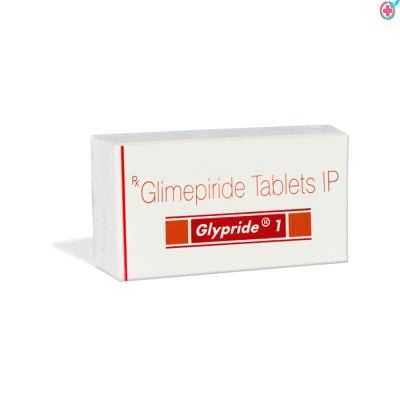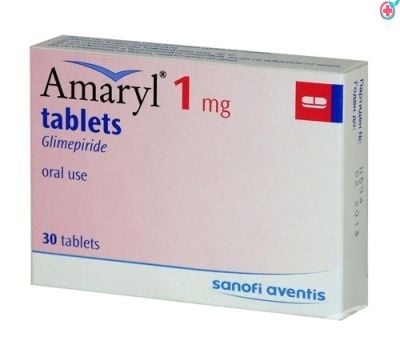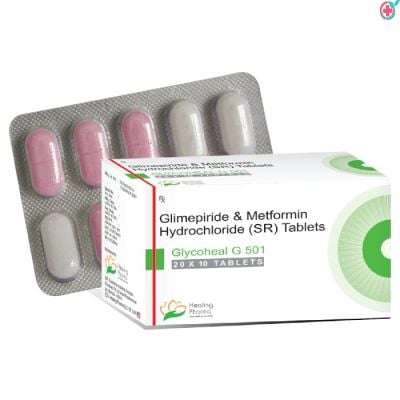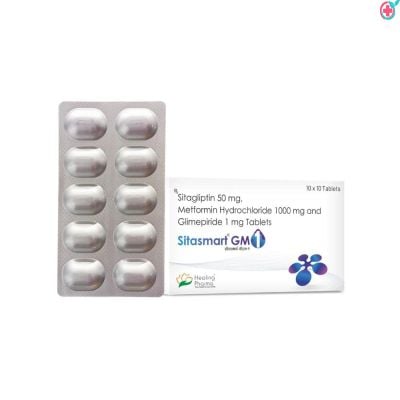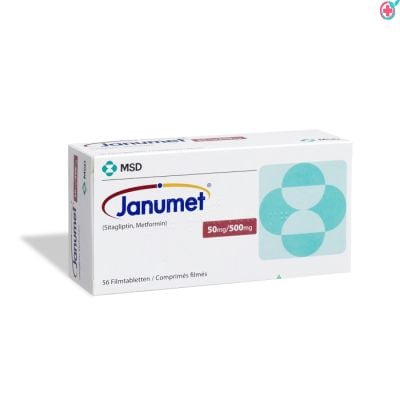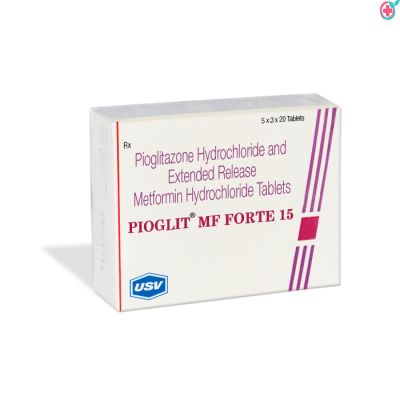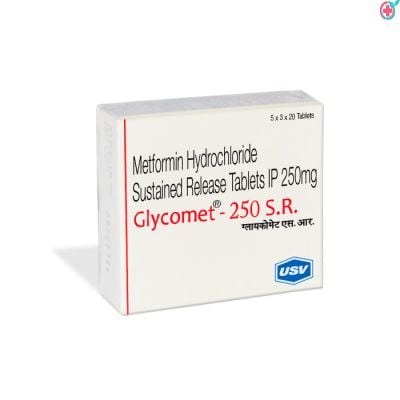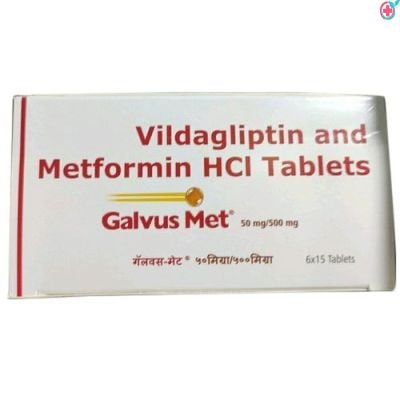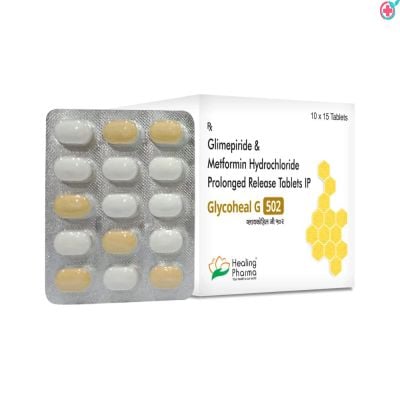
Glycomet GP (Glimepiride and Metformin) | Used to Treat Type 2 Diabetes & PCOS
Glycomet GP combines Glimepiride and Metformin, a dual action oral antidiabetic medicine used for managing type 2 diabetes mellitus. It helps control high blood sugar levels by improving insulin sensitivity and increasing insulin secretion. It helps control blood sugar, often prescribed alongside diet and exercise, but is not for Type 1 diabetes.


Product Overview
Glycomet GP combines Glimepiride and Metformin an oral anti-diabetic medication designed to manage Type 2 Diabetes Mellitus in adults by increasing insulin production and improving insulin sensitivity. It integrates two powerful glucose-lowering agents: Glimepiride, a third-generation sulfonylurea, and Metformin, a biguanide. This dual-action approach targets the body's inability to produce enough insulin while simultaneously addressing insulin resistance. By working through different pathways, Glycomet GP provides comprehensive 24-hour glycemic control, helping to prevent long-term complications such as kidney damage, nerve problems, and vision loss.
- Product Composition
- Glimepiride: 1 mg / 2 mg (varies by strength)
- Metformin Hydrochloride (Prolonged Release): 500 mg
- Excipients: Microcrystalline cellulose, Povidone, Magnesium stearate, Hypromellose
Product Specification
| Feature | Details |
| Drug Class | Sulfonylurea + Biguanide Combination |
| Formulation | Prolonged-Release (PR) / Sustained-Release (SR) Tablet |
| Primary Indication | Type 2 Diabetes Mellitus |
| Administration | Oral |
| Action Duration | 24 hours |
Mechanism of Action
- Insulin Secretion: Glimepiride stimulates the beta cells in the pancreas to release more insulin into the bloodstream.
- Glucose Production Inhibition: Metformin acts on the liver to decrease the amount of glucose it produces and releases.
- Improved Insulin Sensitivity: Metformin enhances the sensitivity of peripheral tissues (like muscle) to insulin, allowing cells to use glucose more effectively.
- Delayed Absorption: It slows down the absorption of sugar from the intestines after meals, preventing sharp spikes in blood glucose.
Key Benefits
- Synergistic Control: Provides superior blood sugar lowering compared to using either medication alone.
- Extended Release: The Metformin component is released slowly, reducing stomach upset and maintaining stable levels all day.
- HbA1c Reduction: Highly effective at lowering long-term blood sugar averages (HbA1c).
- Cardiovascular Safety: Modern sulfonylureas like Glimepiride have a lower risk of heart-related issues compared to older versions.
- Weight Neutrality: Metformin helps counteract the potential weight gain often associated with other diabetes medications.
- Convenience: Combines two pills into one, improving patient compliance and simplifying the daily routine.
Precautions
Important precautions for Glycomet GP (Glimepiride + Metformin)
Blood sugar related precautions
- Regular monitoring of blood glucose levels is necessary
- Risk of low blood sugar (hypoglycemia) especially with missed meals
- Do not skip meals while on this medication
- Adjust dosage only under medical supervision
Medical condition precautions
- Use with caution in kidney or liver impairment
- Heart disease patients require regular monitoring
- Thyroid or hormonal disorders may affect glucose control
- Severe infections or illness may require dose adjustment
Lifestyle precautions
- Maintain a consistent diet and meal timing
- Avoid excessive alcohol consumption due to risk of lactic acidosis
- Follow regular exercise routine as advised
- Stay hydrated during therapy
Special population precautions
- Elderly patients may need closer monitoring for hypoglycemia
- Pregnant or breastfeeding women should use only under guidance
- Not suitable for type 1 diabetes management
Safety overview table
| Area of caution | Precaution guidance |
|---|---|
| Blood sugar control | Regular glucose monitoring required |
| Kidney/liver function | Dose adjustment may be needed |
| Alcohol intake | Avoid due to lactic acidosis risk |
| Meals and diet | Do not skip meals to prevent hypoglycemia |
Usage
Dosage
Dosage is determined by your doctor based on your blood glucose levels and medical history. The following table shows common starting and maintenance ranges.
| Phase | Common Dosage | Timing |
| Initial Dose | 1 tablet (lower strength) | Once daily with breakfast |
| Adjustment | Dose increased every 1–2 weeks | Based on blood sugar tests |
| Maintenance | 1 to 2 tablets daily | Usually with the largest meal |
Administration
Consistency: Take the tablet at the same time every day to maintain stable glucose levels.
Whole Ingestion: Swallow the tablet whole. Do not crush, break, or chew it, as this destroys the prolonged-release mechanism.
With Food: Always take this medication with a meal to minimize gastrointestinal side effects and prevent a sudden drop in blood sugar.
Monitoring: Regularly check your blood sugar levels as directed by your healthcare provider.
Hydration: Drink plenty of water to support kidney function while taking Metformin.
Missed Dose: Take it as soon as you remember with a meal. If it is nearly time for your next dose, skip it. Do not double up.
Uses
Glycemic Management: Primarily used to lower high blood sugar in patients with Type 2 Diabetes Mellitus.
HbA1c Reduction: Helps achieve and maintain long-term blood sugar targets (HbA1c < 7%).
Post-Prandial Control: Effectively manages blood sugar spikes that occur immediately after eating.
Insulin Resistance Treatment: Metformin helps the body's cells respond better to the insulin already present in the blood.
Complication Prevention: Reduces the risk of diabetes-related issues like blindness (retinopathy), kidney failure (nephropathy), and strokes.
Combination Therapy: Acts as an ideal second-line treatment when diet, exercise, and single-drug therapy are not enough.
FAQs
Q: What is the product used for?
A: Glycomet GP is used to treat Type 2 Diabetes. It combines two medicines to lower blood sugar levels. This helps prevent serious complications like kidney damage or nerve issues.
Q: How should I take this medication?
A: Take the tablet whole with your first main meal of the day. Do not crush or chew the tablet. Taking it with food reduces the chance of an upset stomach.
Q: Can this cause low blood sugar (hypoglycemia)?
A: Yes, the Glimepiride component can cause your blood sugar to drop. Symptoms include sweating, shakiness, and dizziness. Always keep a source of sugar, like candy or juice, nearby.
Q: What should I do if I miss a dose?
A: Take it as soon as you remember with food. If it is almost time for your next dose, skip the missed one. Never take two doses at once to catch up.
Q: Are there any common side effects?
A: You may experience nausea, taste changes, or stomach pain. These often improve as your body adjusts. Metformin can sometimes cause a metallic taste in the mouth.
Q: Can I drink alcohol while taking Glycomet GP?
A: Avoid alcohol while taking this medicine. Alcohol increases the risk of low blood sugar. It can also lead to a rare but serious condition called lactic acidosis.
Q: Will I need to follow a specific diet?
A: Yes, this medicine works best with a healthy diet and exercise. Limit sugary foods and monitor your carbohydrate intake. Your doctor will provide a specific plan for your needs.
Interactions
Drug interactions of Glycomet GP (Glimepiride + Metformin)
Blood sugar lowering medicines
- Other antidiabetic drugs may increase risk of hypoglycemia
- Insulin therapy can significantly enhance glucose lowering effect
- Combination therapy requires careful dose adjustment
- SGLT2 inhibitors or GLP1 agents may need monitoring when used together
Medicines affecting blood sugar control
- Corticosteroids may increase blood glucose levels
- Thyroid medicines may alter glucose response
- Diuretics may affect blood sugar balance
- Beta blockers may mask symptoms of hypoglycemia
Metformin related interactions
- Iodinated contrast agents may increase risk of kidney related complications
- Alcohol increases risk of lactic acidosis
- Cimetidine may increase metformin levels in blood
- Certain antibiotics may alter glucose control
General condition based interactions
- Kidney impairment increases risk of metformin accumulation
- Liver disease may affect glucose regulation and drug metabolism
- Severe infections or surgery may require temporary adjustment
- Dehydration increases risk of side effects
Drug interactions table
| Drug class | Interaction effect |
|---|---|
| Insulin and other antidiabetics | Increased risk of hypoglycemia |
| Corticosteroids | Increased blood sugar levels |
| Beta blockers | Masking of hypoglycemia symptoms |
| Iodinated contrast media | Risk of kidney related complications |
| Alcohol | Increased risk of lactic acidosis |
| Manufacturer | : | USV Pharma, India |
| Trade Name | : | Amaryl M |
| Generic Search | : | Metformin + Glimepiride |
| Strength | : | 500mg+1mg, 500mg+2mg |
Certified Content

Dr. Priya Nair
Clinical Pharmacist & Senior Drug Information Specialist | 9 years
Pharm.D. (Doctor of Pharmacy)
Latest Products