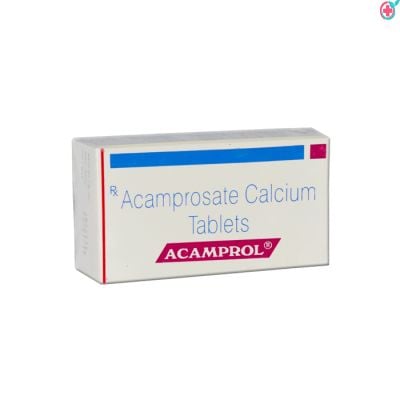
Acamptas Tablet (Acamprosate) | Campral | Used to Stop Alcohol Cravings and Maintain Abstinence in Alcohol Dependence
Acamptas 333MG (Acamprosate), along with counseling, is used as a therapy to maintain the practice of avoiding alcohol drinking again in people who are alcohol dependent. It helps reduce alcohol cravings and supports long-term abstinence by restoring the balance of chemicals in the brain affected by chronic alcohol use. Acamptas Tablet is a trusted solution for individuals seeking alcohol relapse prevention and improved recovery outcomes. Campral is another trade name for Acamprosate.


Product Overview
Acamptas Tablet, containing Acamprosate Calcium, is a specialized pharmacological agent used in the maintenance of abstinence in patients with alcohol dependence. Unlike medications that cause physical illness when alcohol is consumed, Acamptas works at the neurological level to stabilize brain chemistry that has been altered by chronic alcohol use. It is intended for use as part of a comprehensive treatment program that includes psychosocial support and counseling.
Product Composition
- Active Ingredient: Acamprosate Calcium
- Common Strength: 333 mg
- Pharmacological Class: GABA Agonist / Glutamate Antagonist
- Inactive Components: May include crospovidone, microcrystalline cellulose, magnesium stearate, and enteric-coating agents (to prevent stomach irritation).
Product Specification
| Feature | Details |
| Brand Name | Acamptas |
| Active Molecule | Acamprosate Calcium |
| Dosage Form | Enteric-Coated Tablet |
| Primary Indication | Alcohol Dependence Maintenance |
| Storage | Store below 30°C; protect from moisture |
Mechanism of Action
Acamptas acts as a "neuro-stabilizer" to correct the imbalance between excitatory and inhibitory neurotransmission caused by long-term alcohol exposure.
- Glutamate Modulation: Chronic alcohol use leads to an overactive glutamate system (the brain's primary excitatory chemical). Acamptas inhibits NMDA receptors, reducing this hyperexcitability.
- GABA System Support: It subtly enhances GABAergic (inhibitory) activity, helping to calm the central nervous system.
- Restoration of Homeostasis: By rebalancing the Glutamate/GABA ratio, it alleviates the "protracted withdrawal" symptoms—such as restlessness, anxiety, and insomnia—that often trigger a relapse.
- Non-Metabolic Pathway: Unlike other treatments, it does not interfere with the metabolism of alcohol and does not cause a "disulfiram-like" reaction (nausea/vomiting) if alcohol is consumed.
- Calcium Interaction: The calcium salt form of the drug helps in the stable delivery of the active molecule across the intestinal barrier.
Key Benefits
- Supports Long-Term Sobriety: Clinically proven to increase the rate of total abstinence and the number of alcohol-free days in recovering patients.
- Reduces Psychological Distress: Specifically targets the underlying chemical anxiety and irritability that make staying sober difficult.
- High Safety Profile: It is not metabolized by the liver, making it a safer option for patients with liver cirrhosis or other hepatic impairments common in chronic drinkers.
- Non-Addictive: Acamprosate has no potential for abuse or dependence; it does not produce a "high" or any sedative effects.
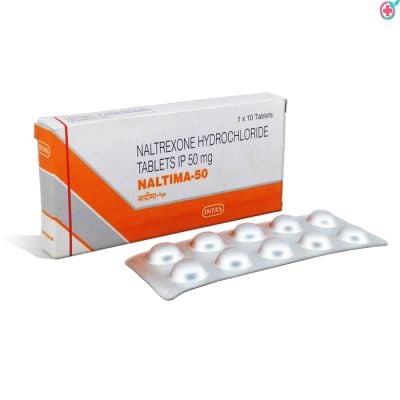
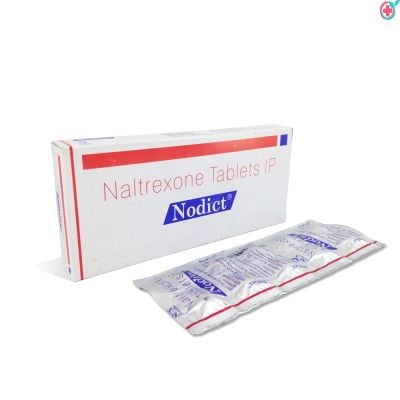
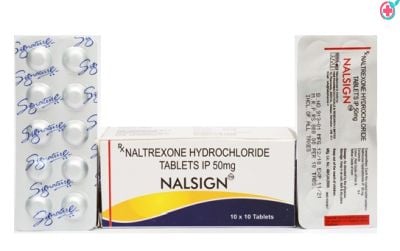
- Compatible with Other Medications: Can be safely used alongside other recovery medications (like Naltrexone) or psychiatric drugs if needed.
- Consistent Stability: The enteric coating ensures the tablet passes through the stomach safely, reducing the risk of gastric upset and ensuring the medication is absorbed in the intestines.
Usage
Acamptas is a maintenance medication designed to support long-term sobriety. It is most effective when integrated into a comprehensive treatment plan that includes counseling and social support. Because it targets brain chemistry imbalances, consistent daily dosing is necessary to maintain stability.
Dosage and Administration
The effectiveness of Acamprosate Calcium depends on maintaining steady levels in the body over a prolonged period.
Starting Treatment: Therapy should begin as soon as possible after the period of alcohol withdrawal (detoxification) and once abstinence is achieved.
Standard Dosage: The usual dose for adults is two 333 mg tablets taken three times daily (totaling 1,998 mg per day). For individuals weighing less than 60 kg, a reduced dosage may be recommended.
Method of Intake: Tablets are enteric-coated and must be swallowed whole. Do not crush, chew, or break them, as this destroys the coating intended to protect the stomach and ensure proper absorption.
Timing and Food: Acamptas can be taken with or without food. However, taking it with meals may help patients remember the three-times-daily schedule and may reduce potential stomach upset.
Treatment Duration: To be most effective, the medication is typically continued for one year, even if the patient feels stable or has a brief slip (relapse).
Continued Use During Relapse: If a patient consumes alcohol while on Acamptas, they should not stop taking the medication. It should be continued while seeking professional guidance.
Missed Dose: Take the missed dose as soon as you remember. If it is almost time for your next dose, skip the missed one. Do not take a double dose to make up for a forgotten tablet.
Administration Guidelines
| Patient Profile | Recommended Dosage | Frequency |
| Adults (≥60 kg) | Two 333 mg tablets | 3 times daily |
| Adults (<60 kg) | One 333 mg tablet | 3 times daily |
| Renal Impairment | Dosage adjustment required | Consult professional |
Uses
The clinical application of Acamptas focuses on the neurological stabilization of patients recovering from chronic alcohol use.
Maintenance of Alcohol Abstinence: Primary use is to help patients remain alcohol-free following the initial detoxification phase.
Reduction of Post-Withdrawal Distress: Specifically treats the "protracted withdrawal" symptoms—such as anxiety, insomnia, and restlessness—that often persist for months after quitting.
Prevention of Relapse: By balancing the brain's excitatory (glutamate) and inhibitory (GABA) systems, it reduces the physiological "push" to return to drinking.
Support for Liver-Impaired Patients: Since it is not metabolized by the liver, it is a preferred choice for patients with alcohol-related liver disease or cirrhosis.
Combination Therapy Support: Can be used alongside other treatments like Naltrexone to provide a multi-targeted approach to alcohol recovery.
Stabilization of Brain Chemistry: Helps the central nervous system return to a state of homeostasis after years of disruption by alcohol consumption.
Enhancement of Counseling Outcomes: By reducing physical and emotional instability, it allows patients to engage more effectively in behavioral therapies and support groups.
Side Effects
Common Side Effects
- Diarrhea or loose stools
- Nausea or upset stomach
- Mild headache
- Dizziness or lightheadedness
- Fatigue or weakness
Serious Side Effects
- Signs of allergic reaction: rash, itching, swelling, or difficulty breathing
- Severe or persistent diarrhea leading to dehydration
- Worsening of kidney or liver function
- Mood changes such as depression or anxiety worsening
Health Condition Related Side Effects
| Condition | Possible Side Effects |
|---|---|
| Kidney disease | May worsen renal function; monitor kidney parameters |
| Liver disease | Monitor liver function; risk of toxicity |
| Psychiatric conditions | May exacerbate depression or anxiety |
| Dehydration risk | Diarrhea or vomiting can worsen electrolyte imbalance |
Other Considerations
- Side effects are usually mild and improve with continued use
- Take Acamptas Tablet with water and maintain hydration
- Seek immediate medical attention for severe allergic reactions, persistent diarrhea, or mood changes
- Follow the prescribed dosage and schedule strictly for safe and effective alcohol dependence treatment
FAQs
Q. What is acamprosate/What is acamprosate calcium used for?
A. Acamprosate, also known as acamprosate calcium, is used alongside counseling to help individuals with alcohol dependence maintain sobriety and avoid relapses.
Q: How does Acamptas Tablet help in treating alcohol dependence?
A. Acamprosate Calcium works by restoring the natural chemical balance in the brain (specifically glutamate and GABA) that is disrupted by long-term alcohol consumption. It helps reduce the physical distress and emotional discomfort (withdrawal symptoms) that often lead to a relapse.
Q: Does Acamptas stop the craving for alcohol?
A. While it does not eliminate cravings in the same way some other medications might, it reduces the post-withdrawal symptoms—such as anxiety, insomnia, and restlessness—that trigger the urge to drink. It makes it easier for a person to maintain abstinence.
Q: Can I take Acamptas if I am still drinking alcohol?
A. Acamptas is most effective when treatment is started as soon as possible after a period of abstinence (detoxification) has begun. However, if a relapse occurs during treatment, you should continue taking the medication and consult a professional.
Q: How long do I need to take Acamptas?
A. The recommended duration of treatment is usually one year, even if you feel you have gained control over your dependency. Stopping the medication too early increases the risk of returning to old drinking patterns.
Q: What are the most common side effects of Acamptas?
A. Diarrhea is the most frequently reported side effect. Other common effects include nausea, gas, stomach pain, and occasionally a skin rash or itching. These symptoms often decrease as the body adjusts to the medication.
Q: Does Acamptas cause an "Antabuse" reaction if I drink?
A. No. Unlike Disulfiram (Antabuse), Acamprosate does not make you feel sick (vomiting, headache, or flushing) if you consume alcohol. It works on brain chemistry rather than interfering with the metabolism of alcohol.
Q: Can I take Acamptas if I have kidney problems?
A. Because Acamptas is primarily eliminated by the kidneys, it must be used with extreme caution in patients with renal impairment. It is typically contraindicated for those with severe kidney disease.
Q: Will Acamptas make me feel sleepy or drowsy?
A. Most users do not experience significant drowsiness. However, some people may experience dizziness or fatigue. It is best to see how the medication affects you before driving or operating heavy machinery.
Q: What should I do if I miss a dose?
A. Take the missed dose as soon as you remember. If it is almost time for your next dose, skip the missed one. Do not take a double dose to make up for the one you forgot, as this can increase the risk of side effects.
Q: Is Acamptas addictive?
A. No. Acamprosate Calcium is not a controlled substance and does not have the potential for abuse or addiction. It does not produce a "high" or any euphoric effects.
| Manufacturer | : | A. Menarini India Pvt Ltdine HCL) |
| Trade Name | : | Campral |
| Generic Search | : | Acamprosate |
| Strength | : | 333mg |
Certified Content

Dr. Priya Nair
Clinical Pharmacist & Senior Drug Information Specialist | 9 years
Pharm.D. (Doctor of Pharmacy)
Latest Products