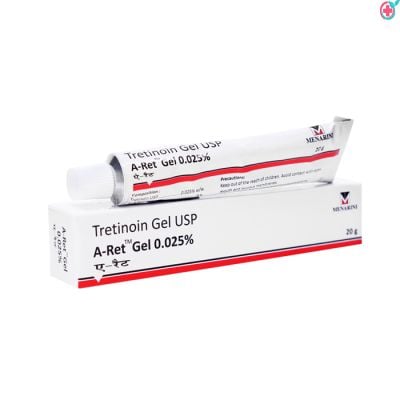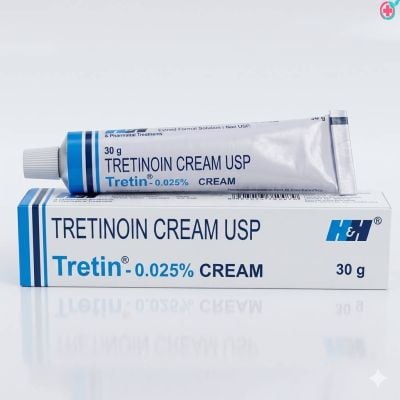
Tretoin Gel (Tretinoin Gel) Used to Treat Acne, Reduce Wrinkles, Fade Dark Spots & Repair Sun-Damaged Skin
Tretinoin Gel is a topical medication primarily used to treat acne and reduce the appearance of fine wrinkles and dark spots. As a derivative of vitamin A, it promotes skin renewal, helping to clear acne and improve skin texture.


Product Overview
Tretoin Gel contains Tretinoin, which is a synthetic derivative of Vitamin A (part of the retinoid family). It is considered the gold standard in topical dermatology for treating acne and promoting skin rejuvenation. By increasing the turnover rate of skin cells and preventing the clogging of pores, it treats existing acne and helps prevent new breakouts from forming.
Product Composition
- Active Ingredient: Tretinoin (typically available in concentrations such as 0.025%, 0.05%, or 0.1%)
- Formulation: Gel (alcohol-based, often faster-absorbing than cream formulations)
- Pharmacological Class: Retinoid (Keratolytic)
Product Specification
| Feature | Details |
| Active Molecule | Tretinoin |
| Drug Class | Retinoid / Keratolytic |
| Primary Indication | Acne vulgaris, fine wrinkles, skin texture |
| Application Type | Topical (Skin Only) |
| Storage | Store at 20° to 25°C; protect from direct sunlight |
Mechanism of Action
Tretinoin works by interacting with the skin's retinoic acid receptors:
- Increased Cell Turnover: It accelerates the rate at which dead skin cells are shed, which prevents "keratin plugs" (the foundation of acne) from forming inside the hair follicle.
- Anti-Inflammatory: It reduces the inflammatory response associated with acne lesions.
- Collagen Production: It stimulates the production of collagen and inhibits enzymes that break down existing collagen, which helps smooth out fine lines and improve overall skin texture.
Key Benefits
- Acne Clearing: Highly effective for both inflammatory (pimples) and non-inflammatory (blackheads/whiteheads) acne.
- Texture Improvement: Visibly improves skin smoothness and reduces the appearance of hyperpigmentation and fine lines over time.
- Prevention: By keeping pores clear, it prevents the formation of new acne micro-comedones.
Precautions
General Safety Advice
| Advice | Details |
|---|---|
| Use as prescribed | Tretoin Gel (Tretinoin Gel) should be used only under medical supervision |
| Night application | Apply at night as it can increase sun sensitivity |
| Thin layer only | Use a pea-sized amount and spread a thin layer over affected areas |
| Avoid overuse | Do not apply more frequently than recommended |
| Sun protection | Always use sunscreen during daytime while using this gel |
Skin Sensitivity and Irritation
- Initial redness, peeling, or dryness is common during early use
- Avoid using on severely irritated or broken skin
- Reduce frequency if excessive irritation occurs
Use on Face and Sensitive Areas
- Avoid contact with eyes, lips, and corners of the nose
- Use cautiously on sensitive skin areas
- Do not apply on sunburned skin
Use in Pregnancy and Breastfeeding
- Not recommended during pregnancy unless clearly advised by a doctor
- Consult a healthcare professional before use during breastfeeding
- Avoid application on large skin areas during this period
Skincare Product Precautions
- Avoid using harsh scrubs, exfoliants, or alcohol-based products
- Do not combine with other strong retinoids unless prescribed
- Use gentle, non-irritating moisturizers to reduce dryness
Other Important Precautions
- Avoid direct sun exposure and tanning beds during treatment
- Do not start multiple active acne treatments at the same time
- Discontinue and consult a doctor if severe irritation or allergic reaction occurs
- Use consistently as results may take several weeks to appear
Usage
Dosage & Frequency
Frequency: Start by applying it once daily in the evening. If your skin is sensitive, dermatologists often recommend starting with application every other night to allow your skin to adjust.
Amount: Use a pea-sized amount for the entire face. Using more will not speed up the results but will likely increase side effects like peeling and burning.
Administration
Preparation: Cleanse your skin with a mild, non-medicated cleanser. Wait 20–30 minutes after washing your face before applying the gel. Applying Tretinoin to damp skin can increase absorption and cause significant irritation.
The "Sandwich Method" (Optional for sensitive skin): To mitigate irritation, apply a thin layer of a gentle, fragrance-free moisturizer first, wait for it to absorb, apply the pea-sized amount of Tretinoin, and then apply a final layer of moisturizer on top.
Protection: You must wear a broad-spectrum sunscreen (SPF 30 or higher) every morning. Tretinoin thins the outer layer of dead skin cells, making your skin much more susceptible to sunburn and UV damage.
Uses
Tretinoin Gel is a potent retinoid used primarily for its ability to regulate skin cell growth. Its medical and dermatological uses include:
Acne Vulgaris: Treats and prevents both inflammatory (red, painful pimples) and non-inflammatory (blackheads and whiteheads) acne by preventing the formation of clogged pores.
Photoaging: Frequently used for long-term treatment of sun-damaged skin, helping to diminish fine lines, rough texture, and mottled hyperpigmentation.
Skin Cell Regulation: Normalizes the keratinization process, ensuring that skin cells shed properly rather than clumping together to form acne or buildup.
Side Effects
General Tolerance
- Tretoin Gel (Tretinoin) commonly causes mild skin reactions, especially during the initial weeks of use
- Most side effects improve as the skin adjusts to treatment
Common Side Effects
- Skin dryness and peeling
- Redness or irritation
- Mild burning or stinging sensation
- Increased sensitivity to sunlight
Less Common Side Effects
- Temporary acne flare-up (purging phase)
- Itching or skin tightness
- Mild swelling or inflammation
- Skin darkening or lightening in treated areas
Rare but Serious Side Effects
- Severe skin irritation or excessive peeling
- Blistering or crusting of skin
- Severe allergic reaction such as swelling or rash
- Persistent worsening of acne or skin condition
Side Effects Overview Table
| Type of Effect | Possible Symptoms |
|---|---|
| Common effects | Dryness, peeling, redness, burning |
| Adjustment phase | Acne flare-up, sensitivity |
| Skin changes | Pigmentation changes, irritation |
| Rare effects | Severe allergy, blistering, intense inflammation |
When to Consult a Doctor
- If irritation becomes severe or does not improve with time
- If blistering, swelling, or intense redness occurs
- If allergic reactions develop
- If skin condition worsens significantly instead of improving
FAQs
Q: What is Tretoin Gel used for?
A: It is primarily used for the treatment of acne vulgaris. Because it speeds up cell turnover, it is also frequently prescribed "off-label" by dermatologists to improve skin texture, reduce fine lines, and fade hyperpigmentation.
Q: Why does my skin feel irritated or peel after starting?
A: This is known as "retinization." Because Tretinoin rapidly increases skin cell turnover, the top layer of your skin may peel, flake, or feel sensitive while it adjusts to the medication. This typically subsides after a few weeks of consistent, proper use.
Q: Can I use Tretinoin during the day?
A: It is generally recommended to use Tretinoin in your evening routine because sunlight can break down the Tretinoin molecule, making it less effective. Additionally, it increases skin sensitivity to UV rays, so you must wear broad-spectrum sunscreen every single day.
Q: Does it get worse before it gets better?
A: Yes, many users experience a "purge" during the first few weeks. As the medication brings hidden micro-comedones (clogged pores) to the surface, you may notice a temporary increase in breakouts before your skin begins to clear up.
Q: How much should I apply?
A: Less is more. A pea-sized amount is sufficient for the entire face. Applying more than this does not speed up results but significantly increases the risk of redness, dryness, and irritation.
Interactions
General Interaction Guidance
- Tretoin Gel (Tretinoin) is a topical retinoid, and interactions mainly occur with other skin care products and acne treatments
- Always inform your doctor about all topical and oral medicines you are using
- Avoid combining multiple strong acne treatments without medical supervision
Topical Product Interactions
| Product Category | Possible Interaction |
|---|---|
| Other retinoids | Increased risk of severe dryness, peeling, and irritation |
| AHA/BHA exfoliants | Can significantly increase skin sensitivity and irritation |
| Benzoyl peroxide | May increase dryness and reduce tolerance if not properly spaced |
| Alcohol-based products | Can worsen dryness and skin irritation |
Skincare and Cosmetic Interactions
- Avoid harsh scrubs or chemical peels while using tretinoin
- Use gentle, non-comedogenic moisturizers to reduce irritation
- Sunscreen is essential as skin becomes more sensitive to UV exposure
- Avoid applying heavy or occlusive cosmetic products immediately after application
Medicine and Systemic Considerations
- Minimal systemic absorption reduces risk of internal drug interactions
- Use caution if combining with oral acne medications like isotretinoin unless prescribed
- Inform your doctor if using photosensitizing medications
Skin Condition Considerations
- Avoid use on severely inflamed, sunburned, or broken skin
- Patients with eczema or sensitive skin should use under strict medical guidance
- Overuse or combining multiple actives may worsen irritation or acne flare-ups
Application Related Interactions
- Do not apply multiple active products at the same time unless advised
- Space out application of different skincare actives
- Apply at night and avoid layering with incompatible treatments immediately afterward
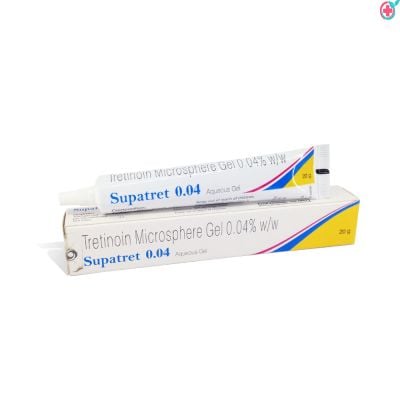
| Manufacturer | : | Signature Pharmaceuticals |
| Trade Name | : | Retin A Gel |
| Generic Search | : | Tretinoin |
| Strength | : | 20g |
Certified Content

Dr. Priya Nair
Clinical Pharmacist & Senior Drug Information Specialist | 9 years
Pharm.D. (Doctor of Pharmacy)
Latest Products