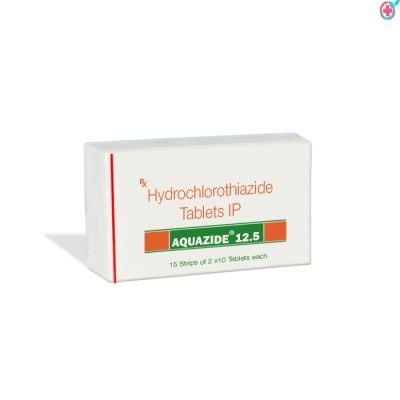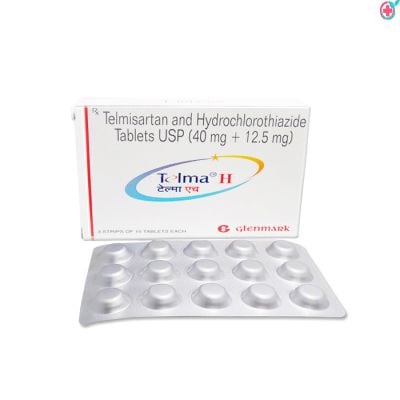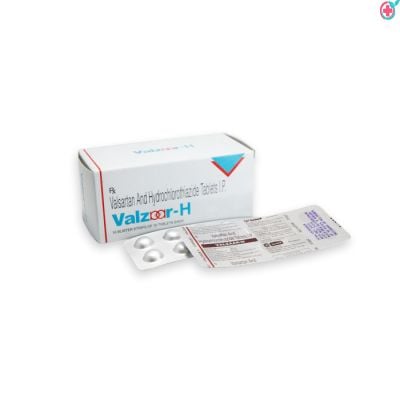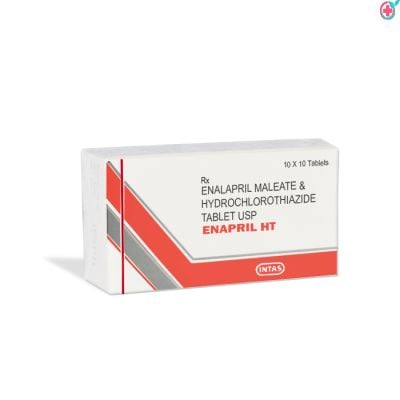
Hydrazide Tablet (Hydrochlorothiazide) | Hydrodiuril Alternative | Used to Treat High Blood Pressure, and Edema
Hydrazide Tablet (Hydrochlorothiazide) is a diuretic used to treat high blood pressure and fluid retention (edema) by helping the body remove excess salt and water, reducing swelling and improving heart health.


Product Overview
Hydrazide Tablet is a highly effective thiazide diuretic, commonly known as a "water pill," containing Hydrochlorothiazide. Hydrazide Tablet is a cornerstone treatment for managing hypertension (high blood pressure) and reducing fluid retention. By encouraging the kidneys to eliminate excess salt and water, this medication helps lower the workload on the heart and prevents complications such as stroke, heart attack, and kidney failure.
Product Composition
- Active Ingredient: Hydrochlorothiazide
- Pharmacological Class: Thiazide Diuretic
- Common Strengths: 12.5mg
- Excipients: May include lactose monohydrate, magnesium stearate, and pregelatinized starch
Product Specifications
| Feature | Specification |
| Drug Category | Antihypertensive / Diuretic |
| Onset of Action | Within 2 hours |
| Peak Effect | Approximately 4–6 hours |
| Duration of Action | 6 to 12 hours |
| Storage | Store in a cool, dry place away from direct light |
Mechanism of Action
- Renal Sodium Inhibition: Hydrochlorothiazide inhibits the reabsorption of sodium and chloride ions in the distal convoluted tubules of the kidneys.
- Increased Diuresis: By increasing the excretion of sodium, it naturally pulls water along with it, leading to increased urine output.
- Plasma Volume Reduction: The initial decrease in blood pressure is achieved by reducing the overall volume of fluid circulating in the blood vessels.
- Vasodilation: With long-term use, it helps in reducing peripheral vascular resistance, further stabilizing blood pressure levels.
Key Benefits
- Effective Blood Pressure Control: Highly reliable for the long-term management of hypertension, either as a standalone therapy or in combination with other drugs.
- Edema Reduction: Successfully treats fluid retention associated with congestive heart failure, liver cirrhosis, and renal dysfunction.
- Cardiovascular Protection: By maintaining healthy blood pressure, it significantly lowers the risk of cardiac events and chronic vascular damage.
- Synergistic Efficacy: Works exceptionally well when paired with ACE inhibitors or Beta-blockers to achieve target blood pressure levels.
- Kidney Stone Prevention: Sometimes prescribed to reduce the amount of calcium released into the urine, helping to prevent certain types of kidney stones.
Usage
Hydrazide Tablet is a potent thiazide diuretic designed to regulate fluid balance and vascular pressure. For maximum therapeutic efficacy, it should be administered with careful attention to timing and hydration to ensure a steady antihypertensive effect.
Dosage and Administration
Correct administration is essential to prevent electrolyte imbalances and ensure consistent blood pressure management.
Administration Timing: It is highly recommended to take this medication in the morning after breakfast. Taking it late in the day or before bedtime should be avoided to prevent nocturnal diuresis (frequent nighttime urination).
Oral Routine: The tablet should be swallowed whole with water. It can be taken with or without food, though taking it with food may help minimize potential gastric upset.
Monitoring: Patients should undergo periodic blood tests to monitor electrolyte levels (especially potassium, sodium, and magnesium) and kidney function.
Hydration: While the drug removes excess fluid, maintaining a balanced intake of fluids and following a low-sodium diet is often recommended to support the drug's action.
Missed Dose: If a dose is missed, take it as soon as you remember. However, if it is late in the evening, skip the missed dose and resume your regular dosing schedule the next morning.
Uses
Hydrazide Tablet is a versatile diuretic therapy utilized across various clinical scenarios to manage pressure and volume-related disorders.
Primary Therapeutic Uses
Treatment of Hypertension: Used as a primary medication to lower high blood pressure, thereby reducing the risk of stroke and myocardial infarction.
Management of Edema: Effectively reduces swelling in the ankles, legs, and abdomen caused by congestive heart failure or chronic kidney disease.
Liver Cirrhosis Support: Helps manage the fluid accumulation (ascites) often associated with advanced liver dysfunction.
Renal Health: Prescribed to manage fluid overload in patients with various forms of renal impairment, including nephrotic syndrome.
Diabetes Insipidus: In specific cases, it is used to reduce the high volume of urine produced in patients with nephrogenic diabetes insipidus.
Hypercalciuria Prevention: Used to decrease the excretion of calcium in the urine, which helps in the prevention of calcium-based kidney stones.
Combination Therapy: Frequently used as a baseline diuretic in combination with other cardiovascular medications to enhance their pressure-lowering effects.
Side effects
Common side effects
- Increased urination
- Dizziness
- Headache
- Weakness or fatigue
- Nausea
- Low blood pressure
Fluid and electrolyte effects
- Low potassium levels
- Low sodium levels
- Muscle cramps
- Dry mouth
- Increased thirst
Digestive system effects
- Loss of appetite
- Mild stomach upset
- Constipation or diarrhea
Metabolic effects
- Increased blood sugar levels
- Increased uric acid levels (may trigger gout)
- Changes in cholesterol levels
Skin reactions
- Rash
- Sensitivity to sunlight
- Itching
Serious side effects (rare)
| Serious effect | Possible signs |
|---|---|
| Severe dehydration | Extreme thirst, confusion, low urine output |
| Electrolyte imbalance | Irregular heartbeat, muscle weakness, cramps |
| Kidney issues | Reduced urine, swelling, fatigue |
| Severe allergy | Swelling, rash, breathing difficulty |
| Gout flare | Sudden joint pain, swelling, redness |
Important warning
- Stop use and seek immediate attention if serious symptoms occur
- Monitor for severe dizziness, confusion, or irregular heartbeat
- Regular blood tests may help reduce risks during long term use
FAQs
Q: What is Hydrazide Tablet used for?
A: Hydrazide Tablet is used to treat high blood pressure (hypertension) and fluid retention (oedema) caused by conditions such as heart failure, kidney disease, liver disease, and certain medications including estrogen and corticosteroids.
Q: How does Hydrazide Tablet work?
A: Hydrochlorothiazide works by causing the kidneys to remove excess water and salt from the body into the urine. It inhibits the reabsorption of sodium and chloride ions in the kidneys, increasing urine output and reducing fluid retention.
Q: How should Hydrazide Tablet be taken?
A: Hydrazide Tablet is usually taken once or twice daily, with or without food, as prescribed by your doctor. It should be taken at a fixed time each day for optimal results.
Q: What are the common side effects of Hydrazide Tablet?
A: Common side effects include dizziness, lightheadedness, increased urination, low blood potassium, low blood sodium, increased blood sugar levels, gout, muscle cramps, nausea, and feeling of weakness.
Q: Who should not take Hydrazide Tablet?
A: Hydrazide Tablet should not be taken by patients who are allergic to Hydrochlorothiazide or sulfonamide-derived drugs. It should also be avoided by patients with severe kidney or liver disease, low potassium or sodium levels, or gout.
Q: Can Hydrazide Tablet cure high blood pressure?
A: No, Hydrazide Tablet controls high blood pressure but does not cure it. Continue taking it even if you feel well, as stopping suddenly may cause blood pressure to rise again. Never stop taking this medicine without consulting your doctor.
Q: Can Hydrazide Tablet be used during pregnancy?
A: Routine use of Hydrazide Tablet during pregnancy is not recommended as it may expose the mother and baby to unnecessary risks. Consult your doctor before taking this medicine if you are pregnant or planning to become pregnant.
Q: Is Hydrazide Tablet safe during breastfeeding?
A: Hydrochlorothiazide may pass into breast milk. Consult your doctor before taking Hydrazide Tablet while breastfeeding to assess the risks and benefits.
Q: Can Hydrazide Tablet affect blood sugar levels?
A: Yes, Hydrazide Tablet may increase blood sugar levels. Patients with diabetes should monitor their blood sugar regularly while taking this medicine and inform their doctor of any changes.
Q: Can Hydrazide Tablet affect potassium levels?
A: Yes, Hydrazide Tablet may lower potassium levels in the blood. Your doctor may recommend a potassium-rich diet or potassium supplements during treatment. Regular blood tests may be advised to monitor electrolyte levels.
Q: Can I drink alcohol while taking Hydrazide Tablet?
A: It is advisable to limit or avoid alcohol while taking Hydrazide Tablet as alcohol may enhance the blood pressure lowering effects of the medicine and increase the risk of dizziness and lightheadedness.
Q: Can Hydrazide Tablet be used in elderly patients?
A: Hydrazide Tablet should be used with caution in elderly patients as they may be more sensitive to its effects, particularly dizziness, lightheadedness, and electrolyte imbalances. Close monitoring is advisable.
Q: Can Hydrazide Tablet be used in children?
A: The safety and efficacy of Hydrazide Tablet in children have not been fully established. Always consult your doctor before giving this medicine to a child.
Q: Can Hydrazide Tablet be taken with other blood pressure medicines?
A: Yes, Hydrazide Tablet can be used alone or in combination with other blood pressure medications to enhance their effectiveness. Always inform your doctor of all medicines you are taking to avoid any interactions.
Interactions
Blood pressure medicines
- May increase blood pressure lowering effect
- Risk of dizziness or low blood pressure may increase
- Monitoring may be needed for dose adjustment
Diabetes medicines
- May affect blood sugar control
- Regular glucose monitoring may be required
- Dose adjustment may be needed in some cases
Pain relievers (NSAIDs)
- May reduce effectiveness of Hydrochlorothiazide
- Can increase risk of kidney problems
- Use only if clearly advised
Heart medicines
- May increase or decrease effects of certain heart medicines
- Electrolyte imbalance may affect heart rhythm
- Careful monitoring is required
Lithium
- May increase lithium levels in the body
- Risk of toxicity may increase
- Avoid combination unless specifically advised
Other diuretics
- May increase fluid and electrolyte loss
- Higher risk of dehydration and imbalance
- Requires close monitoring
General advice
- Inform about all ongoing medicines before use
- Avoid starting or stopping medicines without guidance
- Regular monitoring of blood pressure and electrolytes may be needed
| Manufacturer | : | A. Menarini India Pvt Ltdine HCL) |
| Trade Name | : | Hydrodiuril |
| Generic Search | : | Hydrochlorothiazide |
| Strength | : | 12.5 mg |
Certified Content

Dr. Priya Nair
Clinical Pharmacist & Senior Drug Information Specialist | 9 years
Pharm.D. (Doctor of Pharmacy)
Latest Products