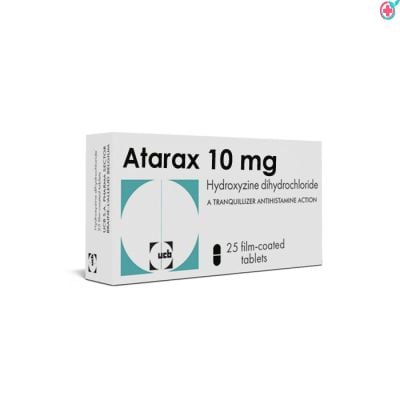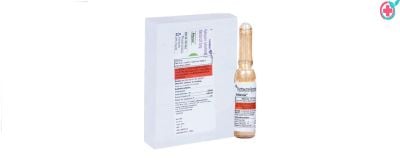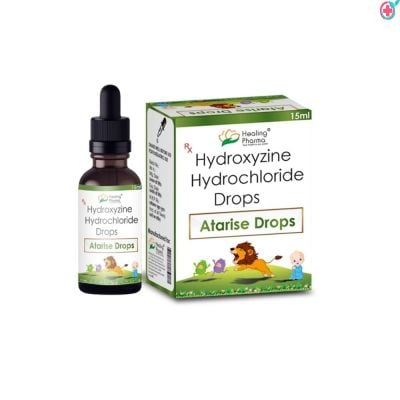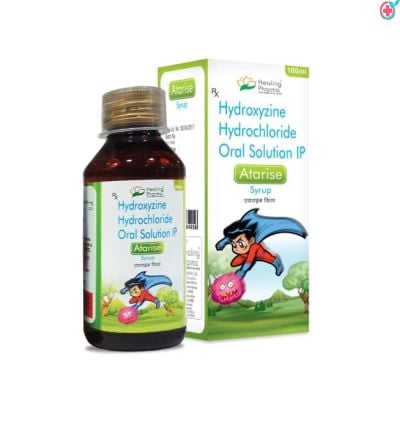
Atarise 10mg, 25mg Tablets (Hydroxyzine) Used to Reduce Anxiety, Tension, Skin Allergies, and Sedation
Atarise 10mg and 25mg Tablets contain Hydroxyzine, an antihistamine used to treat allergies, itching, rashes, and skin conditions like urticaria. It works by blocking histamine action, helping relieve itching, redness, and irritation. It also has mild sedative effects, making it useful for anxiety and short-term sleep disturbances under medical supervision. Hydroxyzine, under the brand name Atarise, is a drug extensively used for various conditions ranging from anxiety to itching.


Product Overview
Atarise Tablets contain Hydroxyzine Hydrochloride, a well-established, first-generation antihistamine widely utilized for its multi-faceted therapeutic profile. Beyond its primary role in neutralizing the effects of histamine—which makes it highly effective for allergic skin conditions—it also functions as a potent anxiolytic (anti-anxiety) and sedative agent. By effectively modulating subcortical CNS activity, Atarise offers a reliable, short-term solution for managing tension and anxiety, as well as providing necessary relaxation in pre- and post-operative settings. The tablet formulation provides a convenient, shelf-stable, and easily portable option for patients requiring consistent dosing, particularly those who prefer a solid oral dosage form over liquid preparations.
Product Composition
- Active Ingredient: Hydroxyzine Hydrochloride (Available in strengths of 10 mg and 25 mg).
- Excipients: Lactose monohydrate, microcrystalline cellulose, magnesium stearate, colloidal anhydrous silica, and film-coating agents (may include hypromellose, titanium dioxide, and polyethylene glycol). (Always refer to the specific package insert for exact excipient listing.)
Product Specification
| Feature | Details |
| Brand Name | Atarise Tablets |
| Active Ingredient | Hydroxyzine Hydrochloride |
| Therapeutic Category | Antihistamine / Anxiolytic / Antiemetic |
| Form | Oral Tablets (10 mg / 25 mg) |
| Primary Indications | Allergic pruritus (itching), anxiety/tension, sedation |
| Storage Requirements | Store at room temperature (15°C–30°C); keep in original packaging, protected from light and moisture |
Mechanism of Action
- H1 Receptor Antagonism: Competitively blocks histamine $H_1$ receptors in the peripheral tissues, preventing the itching, redness, and edema associated with allergic skin reactions.
- CNS Modulation: Acts as a central nervous system depressant by suppressing activity in the hypothalamus and brainstem, which produces its characteristic anxiolytic and sedative effects.
- Antiemetic Property: Exhibits mild efficacy in reducing nausea and vomiting through its impact on the brain's chemoreceptor trigger zone.
Key Benefits & Indications
- Dermatological Health: Provides significant, rapid relief from pruritus (intense itching) caused by chronic urticaria, atopic dermatitis, and contact dermatoses.
- Psychological Well-being: Used for the short-term symptomatic management of anxiety and tension, helping to break cycles of agitation in psychoneurotic conditions.
- Procedural Comfort: Effectively serves as an adjunct to anesthesia or other pre-operative medications to reduce patient anxiety and facilitate a smoother transition into and out of surgical or medical procedures.
Precautions
Use Only as Prescribed
- Atarise 10mg / 25mg Tablets (Hydroxyzine) should be taken only as directed by a doctor
- Do not increase or reduce the dose without medical advice
May Cause Drowsiness
- Can cause sleepiness, dizziness, and reduced alertness
- Avoid driving, operating machinery, or tasks requiring concentration
Avoid Alcohol and Sedatives
- Do not consume alcohol or other sedative medicines
- May significantly increase drowsiness and slow reflexes
Caution in Elderly and Children
- Dose adjustment may be required
- Higher risk of side effects like confusion or excessive sedation
Medical Conditions
- Inform your doctor if you have liver, kidney, heart, or respiratory disorders
- Use with caution in patients with epilepsy or urinary retention
Pregnancy and Breastfeeding
- Use only if clearly prescribed by a doctor
- Safety should be evaluated before use
| Precaution Area | Guidance |
|---|---|
| Usage | Take only as prescribed |
| Drowsiness | Avoid driving and machinery |
| Alcohol | Strictly avoid |
| Elderly/Children | Use with caution and monitoring |
| Medical Conditions | Inform doctor before use |
| Pregnancy | Use only if advised |
Usage
Dosage & Administration
Strict Adherence: Take the tablet exactly as prescribed by your healthcare provider. Do not increase or decrease your dose without professional guidance, even if you feel the medication is not working as expected.
Administration: Swallow the tablet whole with a full glass of water. It can be taken with or without food. If you experience stomach upset, taking it with a small meal may help.
Consistency: For conditions like anxiety, maintaining a consistent dosing schedule as directed by your physician is key to achieving optimal therapeutic results.
Missed Dose: Take the dose as soon as you remember. If it is nearly time for your next scheduled dose, skip the missed dose and resume your regular routine. Never double your dose to make up for a missed one.
Safety Precautions
Sedation & Alertness: This medication is a potent sedative. Avoid driving, operating heavy machinery, or performing tasks that require high levels of concentration until you know how your body reacts to the drug.
Avoid CNS Depressants: Do not consume alcohol or use other CNS depressants (e.g., sleeping pills, opioid painkillers, muscle relaxants) while on this medication, as this can lead to excessive drowsiness, confusion, and serious breathing issues.
Elderly & Sensitive Populations: Use with caution if you are elderly, as you may be more susceptible to side effects like dizziness, sedation, or urinary retention.
Storage: Store the tablets in their original packaging at room temperature (15°C–30°C), in a dry place, and keep them away from direct sunlight and moisture. Ensure the container is out of the reach of children.
Treatment Administration Summary
| Protocol | Requirement |
| Frequency | As prescribed (usually 3–4 times daily for allergies; as needed for anxiety) |
| Intake Method | Oral (tablets: 10 mg / 25 mg) |
| Monitoring | Watch for signs of excessive drowsiness or cognitive impairment |
| Key Warning | Do not mix with alcohol or other sedatives |
Uses
Allergic Pruritus: Effective management of itching associated with chronic urticaria (hives), atopic dermatitis, and allergic dermatoses.
Anxiety and Tension: Short-term symptomatic relief of tension and anxiety states often associated with psychoneurotic conditions.
Sedative & Adjunctive Therapy: Used as a sedative to provide relaxation and anxiety relief before or after medical and dental surgical procedures.
Side Effects
Common Side Effects
- Drowsiness or sleepiness
- Dry mouth
- Dizziness or lightheadedness
- Fatigue or weakness
Gastrointestinal Effects
- Nausea or mild stomach discomfort
- Constipation in some cases
Nervous System Effects
- Reduced alertness and slower reaction time
- Difficulty concentrating
Psychological Effects (Rare)
- Confusion (more common in elderly patients)
- Restlessness or agitation in some individuals
Serious but Rare Effects
- Irregular heartbeat or palpitations
- Severe allergic reaction (rash, swelling, difficulty breathing)
- Excessive sedation
| Side Effect Type | Details |
|---|---|
| Common Effects | Drowsiness, dry mouth, dizziness |
| GI Effects | Nausea, constipation |
| Nervous System | Reduced alertness, fatigue |
| Rare Effects | Confusion, restlessness |
| Serious Effects | Irregular heartbeat, severe allergy, excessive sedation |
FAQs
Q: How do Atarise tablets differ from the syrup?
A: The active ingredient, Hydroxyzine Hydrochloride, is the same in both formulations. The tablets are often preferred for their convenience, portability, and ease of storage, while the syrup is typically used for patients who have difficulty swallowing pills, such as young children or elderly patients.
Q: Can I split the tablets if I need a smaller dose?
A: Only split the tablets if they are scored and your doctor has explicitly instructed you to do so. Always follow the specific dosing instructions provided by your healthcare professional.
Q: How long does the calming effect of the tablet last?
A: While it begins working within 30 to 60 minutes, the duration of effect can vary based on the individual and the dose. Your doctor will determine the appropriate dosing schedule to maintain the desired effect.
Q: Is it habit-forming?
A: Hydroxyzine is generally not considered habit-forming like some other classes of anti-anxiety medications (such as benzodiazepines). However, it is intended for short-term use. You should always discuss the length of your treatment with your doctor.
Q: Can this medication cause a dry mouth?
A: Yes, dry mouth is a common side effect of many antihistamines, including hydroxyzine. You can often manage this by sipping water, chewing sugar-free gum, or using oral moisturizers.
Q: Will this medication show up on drug tests?
A: While it is not an addictive drug, hydroxyzine can potentially cause false-positive results for other medications on some drug screenings due to its chemical structure. Always inform the testing laboratory or your employer of all medications you are currently taking.
Q: What should I do if I experience an allergic reaction to the tablet?
A: Although it is used to treat allergies, some people can be allergic to the active ingredient or the tablet's excipients. If you experience signs of a severe allergic reaction (such as difficulty breathing, swelling of the face or throat, or a severe rash), seek emergency medical care immediately.
Q: Is it safe to take this during the day?
A: Many patients find that the sedative effect is too strong for daytime use. If your doctor has prescribed it for daytime anxiety, be particularly cautious about how it affects your alertness before attempting daily activities.
Q: How should I store these tablets?
A: Keep them in their original container, tightly closed, in a cool, dry place at room temperature, away from direct light and moisture.
Q: Can I stop taking the tablets abruptly?
A: For short-term use, it is usually safe to stop when instructed by your doctor. If you have been taking them for a longer period, consult your healthcare provider to discuss the best way to discontinue the medication.
Interactions
Alcohol and Sedatives
- Avoid alcohol, sleeping pills, or other sedative medicines
- May significantly increase drowsiness, dizziness, and slowed reflexes
CNS Depressants
- Use caution with anti-anxiety drugs, antipsychotics, or opioid painkillers
- Can enhance central nervous system depression
Other Antihistamines
- Do not combine with other antihistamine medicines unless prescribed
- May increase side effects like dry mouth and sedation
Muscle Relaxants and Sleep Medicines
- Can intensify sedative effects when used together
- Requires medical supervision
Cold, Cough, and Allergy Medicines
- Some formulations may also cause drowsiness
- Combined use may increase sedation
| Interaction Type | Recommendation |
|---|---|
| Alcohol | Strictly avoid |
| Sedatives/CNS Drugs | Use only under medical supervision |
| Other Antihistamines | Avoid unless prescribed |
| Muscle Relaxants | Use with caution |
| Cold/Cough Medicines | Monitor for increased drowsiness |
| Manufacturer | : | Healing Pharma |
| Trade Name | : | Atarax |
| Generic Search | : | Hydroxyzine HCl |
| Strength | : | 10mg, 25mg |
Certified Content

Dr. Priya Nair
Clinical Pharmacist & Senior Drug Information Specialist | 9 years
Pharm.D. (Doctor of Pharmacy)
Latest Products