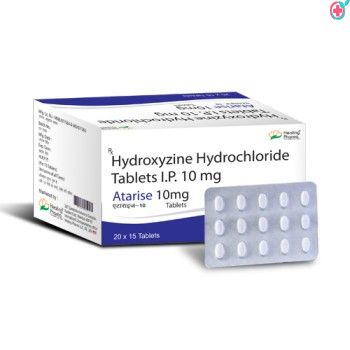
Atarax Tablet (Hydroxyzine) Used to Reduce Anxiety, Tension, Skin Allergies, and Sedation
Atarax Tablet (Hydroxyzine) is a first-generation antihistamine medication used to relieve anxiety, tension, itching caused by allergic skin conditions, and as a sedative before and after surgery. It works by blocking the effects of histamine in the body and is one of the most commonly prescribed antihistamine medications worldwide.


Product Overview
Atarax Tablet (Hydroxyzine) is used to manage symptoms of anxiety and tension, as well as to treat allergic skin reactions such as chronic urticaria (hives) and contact dermatitis. It is a versatile first-generation antihistamine with significant anticholinergic and sedative properties. Unlike standard allergy medications, Atarax belongs to the diphenylmethane class and is widely recognized for its ability to act on the central nervous system. By reducing activity in specific regions of the subcortical area of the brain, Atarax provides a calming effect, making it a valuable therapeutic option for both dermatological discomfort and emotional distress.
Product Composition
- Active Ingredient: Hydroxyzine Hydrochloride
- Strengths: Commonly available in 10mg and 25mg tablets
- Dosage Form: Film-coated tablets
- Pharmacological Class: H1-receptor Antagonist (First-generation Antihistamine)
- Chemical Class: Diphenylmethane derivative
Product Specification
| Feature | Details |
| Therapeutic Indications | Anxiety, Pruritus (Itching), Sedation |
| Onset of Action | Typically within 15 to 30 minutes |
| Duration of Effect | Lasts approximately 4 to 6 hours |
| Storage | Store at room temperature (20°C to 25°C) in a dry place |
| Metabolism | Metabolized by the liver into Cetirizine |
Mechanism of Action
- H1-Receptor Antagonism: Competes with histamine for H1-receptor sites on effector cells in the gastrointestinal tract, blood vessels, and respiratory tract.
- Subcortical Activity: Suppresses certain key regions of the subcortical area of the central nervous system, providing rapid anxiolytic (anti-anxiety) effects.
- Anti-Pruritic Effect: Blocks the action of histamine, which is the primary chemical responsible for the "itch-scratch" cycle in skin allergies.
- Anticholinergic Activity: Provides mild bronchodilator and anti-emetic (anti-nausea) effects.
- Non-Habit Forming: Unlike benzodiazepines, it does not carry the same high risk of physical dependence for anxiety management.
Key Benefits
- Dual-Action Therapy: Effectively treats both the physical symptoms of allergies and the psychological symptoms of anxiety.
- Rapid Symptom Relief: Works quickly to stop intense itching and provide a sense of calm during periods of high stress.
- Non-Addictive Alternative: Serves as a safer, non-controlled alternative for short-term anxiety management.
- Versatile Pediatric Use: Frequently used in children (under medical guidance) for allergic reactions and pre-operative sedation.
- Sleep Support: Its sedative properties can assist patients whose itching or anxiety prevents them from getting restful sleep.
Usage
Dosage and Administration
Prescription Adherence: Take Atarax exactly as directed by your healthcare provider. Do not increase the dose or take it more frequently than prescribed.
Standard Dosing:
For Anxiety: Typically 50 mg to 100 mg daily, divided into several smaller doses.
For Pruritus (Itching): Often starts with 25 mg taken before bedtime, followed by doses throughout the day if necessary.
Method: Swallow the tablet whole with water. It can be taken with or without food; taking it with food may help if you experience a mild upset stomach.
Onset: If using it for sedation before a procedure, it is usually administered 30 to 60 minutes prior to the appointment.
Administration Guidelines
| Scenario | Recommendation |
| Drowsiness | This medication causes significant sleepiness. Do not drive or operate machinery until you are certain of your reaction. |
| Missed Dose | Take it as soon as you remember. If it is nearly time for your next dose, skip the missed one. Never double the dose. |
| Alcohol Interaction | Avoid alcohol entirely, as it multiplies the sedative effect and can lead to dangerous levels of respiratory depression. |
| Duration | Use the lowest effective dose for the shortest time possible, as recommended by your doctor. |
Uses
Management of Anxiety: Provides short-term relief from symptoms of generalized anxiety, psychoneurosis, and emotional stress.
Relief of Pruritus (Itching): Highly effective in treating intense itching caused by allergic conditions like chronic urticaria (hives), atopic dermatitis, and contact dermatitis.
Pre- and Post-operative Sedation: Used as a sedative to calm patients before surgery and to reduce the need for certain narcotics after procedures.
Management of Histamine-induced Reactions: Controls various allergic manifestations including skin rashes and minor swelling.
Sleep Aid for Allergy Sufferers: Assists in inducing sleep for patients whose rest is disturbed by persistent itching or allergic discomfort.
Adjunctive Therapy: Sometimes used as a co-treatment for various conditions where emotional tension exacerbates physical symptoms.
Side Effects
Atarax Tablet (Hydroxyzine) is generally well tolerated when used as prescribed, but some patients may experience side effects, especially at the beginning of treatment.
Common Side Effects
- Drowsiness or sleepiness
- Dry mouth
- Dizziness
- Fatigue or tiredness
- Headache
Less Common Side Effects
- Blurred vision
- Constipation
- Nausea
- Confusion (more common in elderly patients)
- Restlessness or nervousness
Serious Side Effects
| Serious Condition | Symptoms |
|---|---|
| Severe drowsiness | Excessive sleepiness, difficulty staying awake |
| Heart rhythm problems | Irregular heartbeat, palpitations, fainting |
| Severe allergic reaction | Rash, swelling of face/lips/tongue, difficulty breathing |
| CNS depression | Extreme sedation, slowed breathing, confusion |
| Urinary retention | Difficulty passing urine or painful urination |
FAQs
Q: What is Atarax primarily used for?
A: Atarax is used to treat itching caused by allergies (like hives or eczema) and to relieve anxiety and tension. It is also sometimes used as a sedative before medical procedures.
Q: Will Atarax make me sleepy?
A: Yes, drowsiness is a very common side effect of this medication. It is advised not to drive or operate heavy machinery until you understand how the drug affects your alertness.
Q: How long does it take for Atarax to start working?
A: You will typically begin to feel the effects within 15 to 30 minutes of oral administration. The effects usually last for about 4 to 6 hours.
Q: Is Atarax the same as Xanax?
A: No. While both can treat anxiety, Atarax is an antihistamine and is not a controlled substance. Xanax is a benzodiazepine, which carries a higher risk of habit-formation and physical dependence.
Q: Can I take Atarax with other allergy medications?
A: You should consult your doctor before combining it with other antihistamines (like Zyrtec or Benadryl), as this can increase the risk of severe drowsiness and dry mouth.
Q: Can I drink alcohol while taking this tablet?
A: No. Alcohol can significantly increase the sedative effects of Hydroxyzine, leading to extreme drowsiness and impaired coordination.
Q: What should I do if I miss a dose?
A: Take the missed dose as soon as you remember. However, if it is almost time for your next scheduled dose, skip the missed one. Do not take two doses at once.
Q: Is Atarax safe for long-term use?
A: Atarax is generally intended for short-term use. If your symptoms persist, your healthcare provider may reassess your treatment plan to find a long-term management strategy.
Q: Can children take Atarax?
A: Yes, it is often prescribed for children to treat itching or for sedation. However, the dosage must be strictly determined by a pediatrician based on the child's weight and age.
Interactions
Drug Interactions
| Medicine / Drug Class | Interaction Effect |
|---|---|
| CNS depressants (benzodiazepines, opioids, sleeping pills) | Increased sedation, drowsiness, and risk of breathing suppression |
| Antidepressants (SSRIs, TCAs) | May increase drowsiness and risk of QT prolongation |
| Antihistamines (other allergy medicines) | Additive sedative and anticholinergic effects |
| Antipsychotic medicines | Increased risk of sedation and heart rhythm changes |
| Alcohol | Strongly increases drowsiness, dizziness, and impaired coordination |
Food and Lifestyle Interactions
- Alcohol should be strictly avoided due to increased sedation
- Driving or operating machinery may be unsafe due to drowsiness
- Caffeine may partially reduce drowsiness but does not cancel sedative effects
Disease Interactions
- Heart rhythm disorders may increase risk of QT prolongation
- Liver or kidney impairment may increase drug accumulation
- Glaucoma may worsen due to anticholinergic effects
- Urinary retention conditions may be aggravated
Important Clinical Considerations
- Inform your doctor about all prescription and over-the-counter medicines
- Dose adjustments may be needed in elderly patients or those with organ impairment
- Avoid combining with multiple sedative medicines unless prescribed
- Monitor for excessive drowsiness or confusion during treatment
- Seek medical advice if palpitations, fainting, or severe sedation occurs
| Manufacturer | : | Dr. Reddy Lab, India |
| Trade Name | : | Atarax |
| Generic Search | : | Hydroxyzine HCl |
| Strength | : | 10 mg, 25mg, 50mg |
Certified Content

Dr. Priya Nair
Clinical Pharmacist & Senior Drug Information Specialist | 9 years
Pharm.D. (Doctor of Pharmacy)
Latest Products