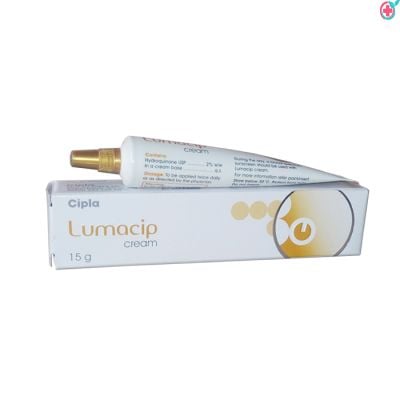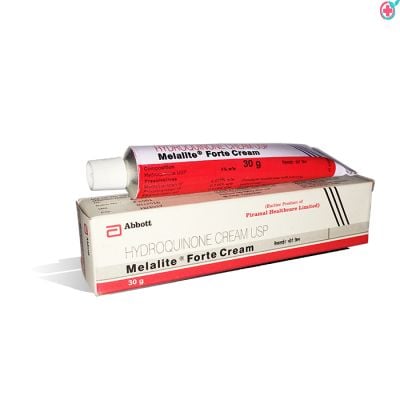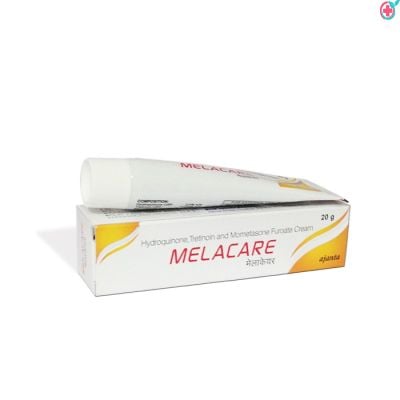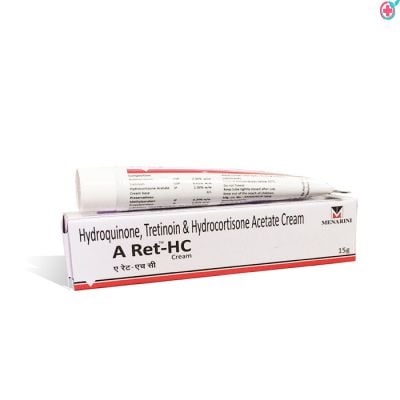
Eukroma Cream (Hydroquinone 4%) Used to Treat Melasma, Dark Spots, and Skin Tone
Eukroma Cream contains 4% Hydroquinone, a skin-lightening agent used to treat hyperpigmentation such as melasma, dark spots, acne marks, and uneven skin tone for a more even skin tone. It works by reducing melanin production in the skin, helping to gradually fade dark patches and improve overall skin clarity and tone.


Product Overview
Eukroma Cream, a skin-lightening agent used to reduce hyperpigmentation, such as dark spots, melasma, age spots, and freckles. Eukroma Cream is a clinical-grade skin-lightening agent containing 4% Hydroquinone. It is considered a gold-standard topical treatment for the management of hyperpigmentation disorders. Hydroquinone functions by inhibiting the enzyme tyrosinase, which is the rate-limiting step in the production of melanin (skin pigment).
By disrupting the synthesis of new melanin and promoting the degradation of existing melanosomes, Eukroma effectively lightens dark patches, evens out skin tone, and corrects localized areas of excess pigmentation. Because of its potency, it is primarily used under the guidance of a dermatologist to treat stubborn conditions like melasma and post-inflammatory hyperpigmentation.
Product Composition
- Active Ingredient:
- Hydroquinone (4%): A potent depigmenting agent that reduces the formation of melanin in the skin.
- Formulation: A specialized cream base designed for stable delivery of the active agent to the skin’s melanocytes.
- Action Category: Topical depigmenting/bleaching agent.
Product Specifications
| Feature | Description |
| Therapeutic Class | Dermatological / Depigmenting Agent |
| Route of Administration | Topical |
| Primary Indication | Melasma, chloasma, and persistent hyperpigmentation |
| Mechanism | Inhibition of tyrosinase enzyme activity |
| Storage | Store in a cool, dry place; keep tightly closed |
Mechanism of Action
- Tyrosinase Inhibition: Hydroquinone works by reversibly inhibiting the enzyme tyrosinase. This enzyme is essential for converting tyrosine into DOPA and subsequently into melanin. By blocking this step, it prevents the skin from producing excessive pigment.
- Melanosome Degradation: Beyond blocking new production, it facilitates the destruction of existing melanosomes (pigment granules) within the melanocytes, leading to a gradual lightening of the skin in the treated area.
Key Benefits
- High-Potency Lightening: The 4% concentration is significantly more effective at addressing deep-seated or persistent pigment issues than over-the-counter alternatives.
- Targeted Correction: Ideal for specific areas of stubborn hyperpigmentation, such as "pregnancy mask" (melasma) or dark spots remaining after acne has healed.
- Proven Clinical Results: It is one of the most thoroughly studied and widely recognized treatments for evening out skin tone in dermatology.
Precautions
Medical supervision
- Use only under dermatological prescription as it contains Hydroquinone 4%
- Not recommended for long-term or unsupervised use
- Avoid use for general skin lightening without medical indication
Skin conditions
| Condition | Precaution |
|---|---|
| Sensitive skin | Higher risk of irritation, patch test recommended |
| Broken or inflamed skin | Do not apply on cuts, wounds, or irritated areas |
| Allergic history | Avoid if allergic to hydroquinone or formulation ingredients |
| Dark skin types | Use cautiously due to risk of uneven pigmentation if misused |
Application safety
- Apply a thin layer only on affected areas
- Avoid contact with eyes, lips, and mucous membranes
- Wash hands after application
Sun exposure care
- Skin becomes more sensitive to sunlight during use
- Always use broad-spectrum sunscreen during daytime
- Avoid prolonged sun exposure to prevent worsening pigmentation
Usage precautions
- Do not exceed recommended duration to avoid side effects like ochronosis
- Avoid combining with other strong skin lightening or exfoliating agents unless prescribed
- Discontinue use if severe irritation, redness, or burning occurs
Monitoring advice
- Mild redness or irritation may occur initially
- Seek medical advice if no improvement after recommended duration
- Stop use if signs of allergic reaction or unusual skin darkening appear
Usage
Application Guidelines
Because Hydroquinone is a powerful depigmenting agent, strict adherence to application protocols is vital to ensure effectiveness and avoid adverse reactions.
| Aspect | Instruction |
| Frequency | Typically once daily (usually in the evening) |
| Method | Apply a thin layer specifically to the darkened/hyperpigmented areas only |
| Duration | Short-term use only; follow your doctor's exact cycle |
| Preparation | Apply to clean, dry skin; avoid the eye and lip areas |
Administration & Best Practices
Spot Treatment Only: Apply Eukroma only to the patches of hyperpigmentation. Avoid contact with the surrounding, normally pigmented skin to prevent unwanted lightening of healthy skin.
Evening Routine: Always apply in the evening. This minimizes exposure to ambient light and allows the product to work overnight without UV interference.
Sun Protection is Non-Negotiable: You must use a broad-spectrum sunscreen (SPF 30 or higher) every single day, even if you are staying indoors. Without strict sun protection, the sun will rapidly stimulate new melanin production, immediately reversing the benefits of the treatment.
Hand Hygiene: Wash your hands thoroughly immediately after application to prevent accidental transfer of the cream to your fingers, eyes, or other healthy skin areas.
Monitor for Reactions: It is common to see mild redness or dryness when starting. If you experience severe irritation, burning, or a darkening of the treated skin (ochronosis), discontinue use immediately and contact your dermatologist.
Uses
Melasma & Chloasma: The primary indication for this treatment; helps fade the stubborn, patchy brown or gray-brown facial discoloration often associated with hormonal changes.
Post-Inflammatory Hyperpigmentation (PIH): Effectively treats dark or discolored spots that persist long after acne, skin injuries, or inflammation have healed.
Sun-Induced Discoloration: Assists in correcting uneven skin tone resulting from chronic sun damage and long-term UV exposure.
Localized Hyperpigmentation: Used to target specific areas of excess pigment for a more uniform and even overall complexion.
Side effects
Common side effects
- Mild redness or irritation at application site
- Burning or stinging sensation
- Dryness or slight peeling of the skin
- Itching or sensitivity
- Increased sensitivity to sunlight
Serious side effects
| Area | Possible Effects |
|---|---|
| Skin | Severe irritation, blistering, or rash |
| Pigmentation | Uneven lightening or darkening of skin |
| Chronic use | Exogenous ochronosis (bluish-black discoloration) |
| Allergy | Swelling, hives, or contact dermatitis |
| Sensitivity | Persistent burning or discomfort |
Warning signs requiring medical attention
- Severe redness, swelling, or blistering
- Darkening of treated skin instead of lightening
- Signs of allergic reaction such as rash, itching, or swelling
- Persistent irritation even after stopping use
- Any unusual skin discoloration or worsening condition
FAQs
Q: How long does it take for Eukroma to show results?
A: Visible lightening may take 4 to 8 weeks, depending on the severity of the pigmentation and consistency of use.
Q: Can I use Eukroma with makeup?
A: Yes, but apply Eukroma first, let it absorb completely, and then apply makeup.
Q: Is it safe to use Hydroquinone long-term?
A: Long-term use (beyond 3 months) is generally not recommended due to the risk of ochronosis and other side effects. Use only as directed.
Q: What should I do if I experience irritation?
A: Reduce application frequency or discontinue use and consult your dermatologist.
Q: Can it be used for underarm or bikini area pigmentation?
A: Only if prescribed by a dermatologist, as these areas are more sensitive.
Q: What is Eukroma Cream used for? A: It treats stubborn hyperpigmentation. This includes melasma, dark spots, and discoloration caused by acne or sun damage.
Q: How does it lighten the skin? A: It contains hydroquinone. This ingredient blocks the enzyme needed to create melanin (skin pigment) and helps break down existing pigment.
Q: Can I use this for my whole face? A: No. You should apply it only to the specific dark patches as directed by your doctor. It is not intended for use as a general skin-lightening cream.
Q: Is it safe to use indefinitely? A: No. It is for short-term use only. Prolonged use can cause side effects, including a rare condition called ochronosis (darkening of the skin). Always follow your doctor's exact schedule.
Q: Why is sunscreen so important with this treatment? A: Your skin becomes very sensitive to sunlight during treatment. Without high SPF, the sun can quickly reverse the progress and make the dark spots even worse.
Q: What should I do if my skin gets irritated? A: Minor redness is common when starting. However, if you feel burning, notice severe peeling, or see the skin turning dark, stop using it immediately and contact your dermatologist.
Interactions
Topical product interactions
- Retinoids (e.g., tretinoin) may increase irritation, redness, and peeling when used together
- Exfoliating agents such as AHA or BHA can enhance skin sensitivity and dryness
- Benzoyl peroxide may cause temporary darkening of the skin when combined with hydroquinone
- Other depigmenting agents may lead to uneven skin lightening or over-irritation
- Strong corticosteroid creams may alter skin response if used simultaneously
Medicine and treatment interactions
| Product Type | Interaction Effect |
|---|---|
| Retinoids | Increased peeling, redness, and irritation |
| AHA/BHA exfoliants | Excessive dryness and sensitivity |
| Benzoyl peroxide | Temporary skin darkening or irritation |
| Other depigmenting agents | Uneven pigmentation or irritation |
| Corticosteroids | Altered skin response and side effect risk |
Cosmetic interactions
- Alcohol-based toners may increase dryness and irritation
- Perfumed or harsh skincare products can trigger sensitivity reactions
- Makeup applied immediately after may reduce absorption and effectiveness
Usage advice
- Apply on clean, dry skin and allow full absorption before layering other products
- Maintain a gap between use of other active skincare treatments
- Avoid combining multiple strong dermatological products without medical advice
- Discontinue use if irritation increases when used with other products
| Manufacturer | : | Yash Pharma, India |
| Trade Name | : | Eldoquin Forte |
| Generic Search | : | Hydroquinone |
| Strength | : | 4% |
Certified Content

Dr. Priya Nair
Clinical Pharmacist & Senior Drug Information Specialist | 9 years
Pharm.D. (Doctor of Pharmacy)
Latest Products