Dytor Plus Tablet (Spironolactone + Torasemide) | Used in Heart Failure and Fluid Retention Management
Dytor Plus Tablet (Spironolactone + Torasemide) is a combination diuretic used to treat fluid retention, swelling, and high blood pressure. It helps remove excess water from the body, reduces edema caused by heart, liver, or kidney conditions, and supports better fluid balance and blood pressure control.


Product Overview
Dytor Plus Tablet is a highly effective, prescription-strength combination diuretic medication (commonly referred to as a "water pill") engineered to manage fluid retention and severe swelling. Formulated with a synergistic dual-action blend of Spironolactone and Torasemide, this medication is clinically deployed when a single diuretic is insufficient to remove excess fluid from the body's tissues. By targeting different segments of the kidneys simultaneously, it maximizes fluid clearance while dynamically maintaining the body's delicate electrolyte balance.
Product Composition
Active Ingredients: Formulated in variable clinical strengths, most commonly combining Spironolactone 50mg + Torasemide 5mg per tablet.
Torasemide Component: A high-potency loop diuretic that acts as the primary driver for rapid fluid and salt excretion.
Spironolactone Component: A potassium-sparing diuretic and aldosterone receptor antagonist that balances the formula by preventing the body from losing too much potassium.
Product Specification
| Attribute | Specification |
| Brand Identity | Dytor Plus Tablet |
| Generic Substances | Spironolactone + Torasemide |
| Primary Indication | Edema (fluid retention) associated with congestive heart failure, liver cirrhosis, or kidney disease |
| Secondary Indication | Management of resistant hypertension (high blood pressure) |
| Pharmacological Class | Combination Diuretic (Loop Diuretic + Potassium-Sparing Antagonist) |
Mechanism of Action
- Loop Excretion Acceleration: The Torasemide component travels to the thick ascending limb of the loop of Henle in the kidneys. Here, it aggressively blocks the reabsorption of sodium, chloride, and water, forcing them out of the bloodstream and into the urine for excretion.
- Aldosterone Receptor Antagonism: The Spironolactone component competitively binds to aldosterone receptors in the late distal tubules and collecting ducts of the kidney. This blocks aldosterone—a hormone that normally orders the body to hold onto salt and flush out potassium.
- The Potassium Balancing Act: Traditional loop diuretics cause the kidneys to rapidly dump potassium, which can trigger dangerous heart arrhythmias. Because spironolactone commands the kidneys to retain potassium while flushing sodium, it perfectly counteracts Torasemide's potassium-wasting nature.
- Fluid Volume Reduction: By continuously pulling excess water and sodium out of the vascular system, the medication drastically lowers the total volume of blood flowing through vessels, relieving swelling and easing the workload on a struggling heart.
Key Benefits
- Synergistic Fluid Clearance: Combining two distinct mechanisms provides a much more powerful diuretic effect than simply increasing the dose of a single medication, making it excellent for resistant swelling.
- Built-In Potassium Protection: By pairing a potassium-wasting drug with a potassium-retaining drug, it inherently stabilizes blood potassium levels, reducing the need for patients to take separate, chalky potassium supplements.
- Decompression of Vital Organs: Rapidly drains excess fluid pooling in the lungs (pulmonary edema), abdomen (ascites), and lower legs, directly relieving shortness of breath and painful tissue stretching.
- Long-Lasting Blood Pressure Control: The continuous reduction of fluid volume within the bloodstream provides a steady, prolonged lowering of blood pressure, helping to safeguard patients against stroke and heart attacks.
Precautions
Dytor Plus Tablet (Spironolactone + Torasemide) should be used carefully to ensure safe fluid balance control and blood pressure management.
| Precaution | Details |
|---|---|
| Kidney Function | Use with caution in kidney disease. |
| Potassium Levels | May increase potassium in blood. |
| Dehydration Risk | Can cause excess fluid loss. |
| Blood Pressure | May cause low blood pressure. |
| Liver Disease | Use carefully in liver disorders. |
| Pregnancy & Breastfeeding | Use only after medical advice. |
| Elderly Patients | More sensitive to side effects. |
Important Safety Advice
- Take exactly as prescribed
- Monitor blood pressure regularly
- Drink adequate fluids as advised
- Avoid potassium-rich supplements unless directed
- Do not stop suddenly without guidance
When Extra Care Is Needed
- Severe swelling or kidney impairment
- History of electrolyte imbalance
- Heart failure or liver disease
- Persistent dizziness or weakness
Usage
To ensure effective fluid clearance and prevent dangerous shifts in blood pressure or electrolyte levels, this combination diuretic must be taken exactly as directed. Because it significantly increases urination, daily timing and routine monitoring play a central role in safe management.
Optimal Morning Timing: Always take your dose in the morning, ideally during or immediately after breakfast. Avoid taking this medication late in the afternoon or evening (generally after 4:00 PM) to prevent your nighttime sleep cycle from being disrupted by frequent trips to the bathroom.
Consistency with Meals: While it can be taken on an empty stomach, taking it consistently with food helps reduce potential stomach upset and ensures a steady absorption rate every day.
Positioning and Dizziness: This medication lowers blood fluid volume, which can cause temporary dizziness when changing positions. Always rise slowly from a sitting or lying position, pausing for a moment on the edge of the bed or chair to allow your blood pressure to stabilize.
Hydration Balance: While your goal is to clear fluid retention, do not severely restrict or drastically increase your liquid intake unless specifically instructed by your physician. Follow your doctor's exact guidance regarding daily fluid limits and low-sodium dietary restrictions.
Uses
Dytor Plus Tablet provides a powerful, multi-channel approach to fluid balance. The clinical Spironolactone and Torasemide uses are centered on removing stubborn fluid collections and lowering vascular stress.
Relief of Congestive Heart Failure Edema: Prescribed to drain heavy fluid accumulation that pools in the lungs and lower limbs when the heart cannot pump efficiently. This helps relieve shortness of breath, chronic coughing, and severe ankle swelling.
Management of Liver Cirrhosis Ascites: Utilized to treat severe fluid retention in the abdominal cavity (ascites) and lower body caused by advanced liver disease. The spironolactone component specifically counteracts the high aldosterone hormone levels typically seen in liver patients.
Control of Chronic Kidney Disease Edema: Deployed to help compromised kidneys flush out the excess water and sodium that build up when the body's natural filtration rates decline.
Treatment of Resistant Hypertension: Used as a powerful secondary therapy to lower stubbornly high blood pressure when traditional first-line medications fail. Clearing excess fluid relaxes the blood vessels, reducing long-term cardiovascular risks like stroke or heart attack.
FAQs
Q: What is the product used for?
A: Dytor Plus Tablet is a prescription "water pill." It treats fluid retention and swelling (edema) caused by heart failure, liver cirrhosis, or kidney disease. It removes excess water and salt from your body.
Q: How and when should I take it?
A: Take this medicine exactly as your doctor prescribed. It is best to take it once a day in the morning. Take it with or right after breakfast to avoid stomach upset. Do not take it late in the evening. This prevents bathroom trips from waking you up at night.
Q: Will it make me urinate more often?
A: Yes, frequent urination is exactly how this medicine works. The fluid-clearing effect usually starts within 1 to 2 hours after taking the pill. It peaks within 3 to 6 hours. This effect will feel strongest during the first few days of your treatment.
Q: Can I take potassium supplements or eat high-potassium foods?
A: Generally, no. The spironolactone in this pill causes your kidneys to hold onto potassium. Adding potassium supplements or eating too many potassium-rich foods (like bananas or spinach) can cause dangerous spikes in your blood.
Q: What are the most common side effects?
A: You may experience frequent urination, dizziness, headaches, or mild nausea. Dizziness can happen if your blood pressure drops when standing up too fast. Long-term use of spironolactone can sometimes cause breast tenderness or irregular periods.
Q: What tests do I need while taking this medicine?
A: Your doctor will schedule regular blood tests. These tests check your kidney function and your blood electrolyte levels (especially potassium and sodium). Do not miss these appointments. They ensure your current dose is still safe for your body.
Q: Who should not take Dytor Plus?
A: Do not take this medication if you cannot pass urine or have severe kidney failure. It is strictly forbidden if you already have abnormally high blood potassium levels. It should not be used during pregnancy unless explicitly ordered by your specialist.
Interactions
Dytor Plus Tablet (Spironolactone + Torasemide) may interact with certain medicines and health conditions. These interactions can affect electrolyte balance, blood pressure control, and kidney function.
| Interaction Type | Details |
|---|---|
| Potassium Supplements | May increase potassium levels too much. |
| ACE Inhibitors | Can raise risk of high potassium. |
| ARBs | May increase potassium and low BP risk. |
| NSAIDs | Can reduce diuretic effect. |
| Lithium | May increase lithium toxicity. |
| Other Diuretics | May cause excessive fluid loss. |
| Blood Pressure Medicines | Can cause very low BP. |
Medicines That May Interact
- Potassium supplements and salt substitutes
- ACE inhibitors like enalapril
- ARBs like losartan
- NSAID pain relievers
- Lithium-based medicines
- Other diuretic drugs
Important Considerations
- Monitor potassium and kidney function regularly
- Inform about all medicines being used
- Avoid potassium supplements unless advised
- Watch for dizziness or dehydration signs
- Follow dosing instructions strictly
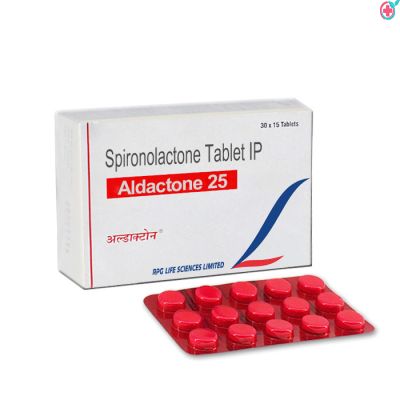
| Manufacturer | : | Cipla Pharma, India |
| Trade Name | : | Aldactone |
| Generic Search | : | Spironolactone + Torasemide |
| Strength | : | (50mg+20mg) |
Certified Content

Dr. Priya Nair
Clinical Pharmacist & Senior Drug Information Specialist | 9 years
Pharm.D. (Doctor of Pharmacy)
Latest Products