Xylocaine Jelly (Lidocaine) | Used for Temporary Numbing in Medical and Dental Procedures
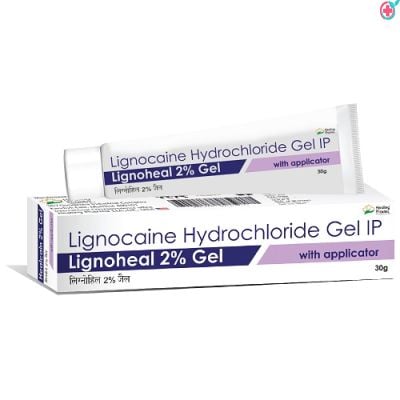
Xylocaine jelly, with lidocaine, is a topical anesthetic that numbs the skin and mucous membranes. It provides quick and effective relief, making it essential for clinical and dental applications.


Product Overview
Xylocaine Jelly contains Lidocaine Hydrochloride, a widely utilized local anesthetic that works by stabilizing the neuronal membrane. By inhibiting the ionic fluxes required for the initiation and conduction of impulses, it effectively produces a localized loss of sensation. This formulation is specifically designed for surface anesthesia of mucous membranes and is a standard clinical tool for facilitating comfortable medical instrumentation and endoscopic procedures.
Product Composition
- Active Ingredient: Lidocaine Hydrochloride (2% w/w concentration)
- Formulation: Sterile, water-soluble, viscous jelly
- Excipients: Hydroxypropyl methylcellulose, methylparaben, propylparaben, sodium hydroxide or hydrochloric acid for pH adjustment
- Action Category: Amide-type local anesthetic
Product Specifications
| Feature | Description |
| Therapeutic Class | Surface Anesthetic |
| Route of Administration | Topical (Mucosal/Urethral) |
| Onset of Action | Rapid (typically within 3 to 5 minutes) |
| Duration of Action | 20 to 30 minutes (varies by site) |
| Storage | Store at controlled room temperature (do not freeze) |
Mechanism of Action
- Sodium Channel Blockade: Reversibly binds to and inhibits voltage-gated sodium channels in the nerve endings of the mucous membrane.
- Impulse Conduction Inhibition: By preventing sodium influx, it blocks the depolarization of the nerve cell membrane, thereby inhibiting the generation and conduction of pain impulses.
- Surface Stabilization: The viscous base ensures the active ingredient adheres to the mucosal surface, prolonging the contact time and ensuring a consistent anesthetic effect over the desired area.
- Minimal Systemic Absorption: When used as directed on mucous membranes, the systemic absorption is generally low, limiting the risk of toxicity while maintaining high local efficacy.
Key Benefits
- Pain Reduction: Provides effective and immediate relief from localized pain or discomfort during medical procedures.
- Procedural Lubrication: The viscous base acts as an excellent lubricant, facilitating the smooth insertion of catheters, endoscopes, and other medical instruments into body orifices.
- Ease of Application: The jelly formulation allows for precise application, staying where it is placed without dripping or running.
- High Safety Profile: Being water-soluble, it is non-staining and non-irritating to delicate mucosal tissues, making it suitable for a wide range of urological, gynecological, and gastrointestinal applications.
Precautions
Medical supervision
- Use only under prescription or guidance of a healthcare professional
- Do not apply more than the recommended amount or frequency
- Avoid self-use for unknown or undiagnosed conditions
Application safety
- Apply only to the intended area as instructed
- Do not use on large open wounds or severely damaged skin unless advised
- Avoid contact with eyes, as it may cause irritation or numbness
Health conditions
| Condition | Precaution |
|---|---|
| Liver or kidney disease | Use cautiously due to altered drug metabolism |
| Heart rhythm disorders | Risk of increased systemic absorption in some cases |
| Allergic history to anesthetics | Contraindicated in known Lidocaine allergy |
| Severe skin infections | Avoid use unless prescribed |
Usage precautions
- Do not exceed recommended dose to prevent systemic toxicity
- Avoid swallowing or ingesting the jelly
- Use caution in children and elderly due to increased sensitivity
Drug and lifestyle caution
- Avoid combining with other local anesthetics unless directed by a doctor
- Inform your doctor about all current medications before use
- Do not drive or operate machinery if numbness affects coordination
Monitoring advice
- Watch for signs of allergic reaction such as rash, swelling, or breathing difficulty
- Seek medical help if symptoms like dizziness, irregular heartbeat, or severe drowsiness occur
Usage
Dosage
The dosage is dependent on the procedure and the area to be anesthetized; it is critical to use the minimum amount necessary to produce the desired effect.
| Aspect | Instruction |
| Urethral Anesthesia | 5 mL to 10 mL (depending on procedure) |
| Maximum Dose | Do not exceed 20 mL in a 12-hour period |
| Administration Route | Topical / Mucosal |
| Frequency | Single use per procedure as required |
Administration
Application: Apply the jelly liberally to the area or onto the medical instrument (such as a catheter or endoscope) to facilitate smooth, painless insertion.
Sterility: Maintain strict sterile technique during application to prevent the introduction of pathogens into body cavities or the bloodstream.
Contact Time: Allow 3 to 5 minutes for the anesthetic to take effect before initiating the medical procedure.
Tissue Condition: Do not apply to significantly traumatized or bleeding mucosa, as this can increase systemic absorption and the risk of adverse reactions.
Uses
Urethral Anesthesia: Indicated for surface anesthesia of the urethra during male and female urological procedures such as catheterization, sounding, and cystoscopy.
Procedural Lubrication: Serves as a dual-action lubricant and anesthetic to reduce friction and patient discomfort during the insertion of medical instruments into body orifices.
Endoscopic Procedures: Utilized during gastrointestinal endoscopy or other endoscopic examinations to numb mucosal surfaces, allowing for better patient tolerance of the instrumentation.
Pain Management during Instrumentation: Effective for reducing procedural pain in clinical settings involving nasal, pharyngeal, or rectal examinations where surface anesthesia is required.
Proctological Examinations: Employed to provide localized relief and ease during proctological procedures or minor diagnostic maneuvers in the anorectal region.
Side effects
Common side effects
- Temporary numbness at the application site
- Mild burning or stinging sensation after application
- Local irritation or redness
- Swelling at the application area in some cases
- Reduced sensation beyond intended area if applied in excess
Serious side effects
| Body System | Possible Effects |
|---|---|
| Nervous system | Dizziness, confusion, seizures in rare overdose cases |
| Cardiovascular | Irregular heartbeat, low blood pressure |
| Immune system | Allergic reactions such as rash, itching, or swelling |
| Respiratory | Breathing difficulty in severe hypersensitivity |
| Skin | Severe irritation or hypersensitivity reaction |
Warning signs requiring medical attention
- Difficulty breathing or swallowing
- Severe dizziness or fainting
- Fast or irregular heartbeat
- Swelling of face, lips, or throat
- Signs of overdose such as extreme drowsiness or confusion
FAQs
Q: What is the primary use of Xylocaine Jelly?
A: It is a local anesthetic jelly used to produce surface anesthesia of the mucous membranes in the urethra and other body cavities to reduce pain and provide lubrication during medical procedures.
Q: How quickly does Xylocaine Jelly start to work?
A: You can typically expect an onset of anesthesia within 3 to 5 minutes after application, providing quick comfort for procedural insertion.
Q: Is Xylocaine Jelly safe for everyone?
A: While generally well-tolerated, it should be used with caution in patients with known hypersensitivity to amide-type anesthetics, severely damaged or bleeding mucosa, or specific cardiac conditions. Always consult a healthcare provider for suitability.
Q: Can I use this for minor skin cuts or scrapes?
A: Xylocaine Jelly is formulated specifically for mucous membranes, such as the urethra or for endoscopic procedures. It is not intended for use on general skin surfaces or open wounds.
Q: How should I store the tube after use?
A: Store the product at controlled room temperature, typically between 15°C and 30°C. Keep the cap tightly closed to prevent contamination, and do not freeze the product.
Q: What are the potential side effects?
A: Although systemic absorption is low, side effects can include temporary numbness at the site, local irritation, or, in rare cases of excessive absorption, symptoms like dizziness or tingling. Seek medical attention if you experience an allergic reaction.
Interactions
Drug interactions
- May increase risk of toxicity when used with other local anesthetics
- Beta blockers or antiarrhythmic medicines may increase blood levels of Lidocaine
- Cimetidine can reduce breakdown of Lidocaine, increasing its effect and side effects
- Strong CYP enzyme inhibitors may prolong systemic effects of the medicine
- Combination with sedatives or opioids may enhance central nervous system depression in sensitive cases
Medicine combination effects
| Medicine Type | Interaction Effect |
|---|---|
| Other local anesthetics | Increased risk of additive toxicity |
| Beta blockers | Higher systemic Lidocaine levels |
| Antiarrhythmic drugs | Increased risk of heart-related side effects |
| Cimetidine | Slower metabolism leading to prolonged action |
| Sedatives or opioids | Enhanced drowsiness and CNS depression |
Food and lifestyle interactions
- No major food interactions are known with topical use
- Excess alcohol may increase risk of side effects if significant absorption occurs
Clinical monitoring
- Monitor for signs of systemic absorption such as dizziness, numbness beyond treated area, or irregular heartbeat
- Always inform your doctor about all ongoing medications before using Xylocaine Jelly (Lidocaine)
| Manufacturer | : | Zydus Cadila |
| Trade Name | : | Xylocaine |
| Generic Search | : | Lidocaine |
| Strength | : | 50gm |
Certified Content

Dr. Priya Nair
Clinical Pharmacist & Senior Drug Information Specialist | 9 years
Pharm.D. (Doctor of Pharmacy)
Latest Products