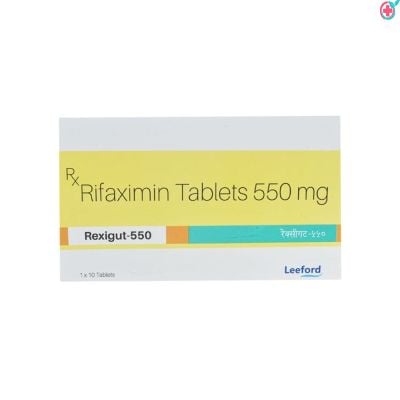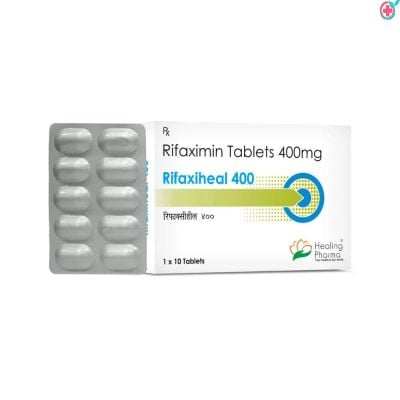
Rifagut Tablet (Rifaximin) Used to Treat Traveler’s Diarrhea, IBS-D, and hepatic Encephalopathy
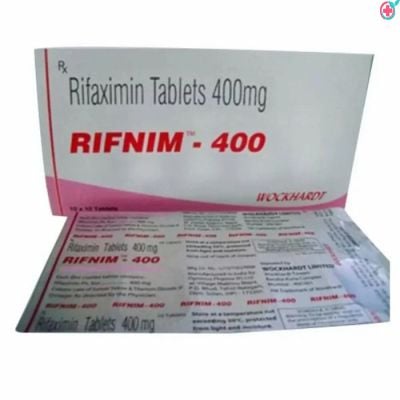
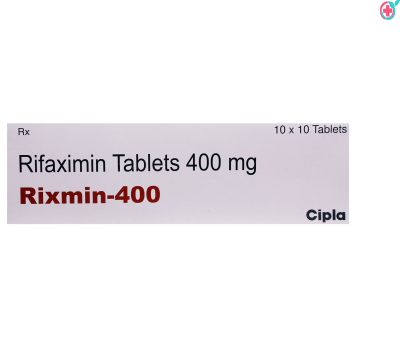
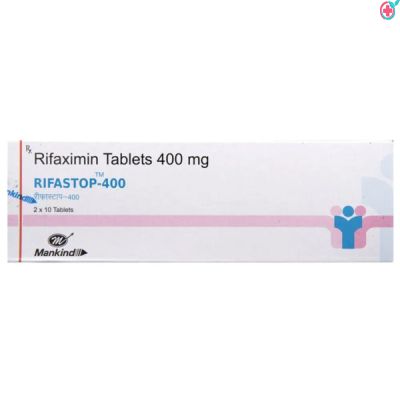
Rifagut is an antibiotic containing Rifaximin, available in 550 mg, 400 mg, and 200 mg strengths. It is used to treat certain bacterial infections of the gastrointestinal tract, including traveler's diarrhea, and to help reduce the risk of hepatic encephalopathy recurrence. In some cases, it may also be prescribed for irritable bowel syndrome with diarrhea (IBS-D). Take Rifagut exactly as prescribed by your healthcare provider.


Product Overview
Rifagut contains Rifaximin (550, 400, 200 mg), a minimally absorbed gut-specific antibiotic that works primarily uses to treat traveler’s diarrhea, IBS-D, and hepatic encephalopathy. It helps reduce the growth of susceptible bacteria in the intestines while having limited absorption into the bloodstream. Because of its localized action, Rifagut is commonly prescribed for specific intestinal conditions caused by or associated with certain bacteria. It works locally inside the intestines with very little absorption into the bloodstream.
Available Strengths
| Product | Active Ingredients |
| Rifagut 200 mg | Rifaximin 200 mg |
| Rifagut 400 mg | Rifaximin 400 mg |
| Rifagut 550 mg | Rifaximin 550 mg |
How Rifagut Works
Rifaximin inhibits bacterial RNA synthesis by binding to bacterial RNA polymerase, preventing bacteria from multiplying. Since it remains largely within the intestines, it provides targeted antibacterial activity while minimizing systemic exposure.
Medical Uses
Rifagut may be prescribed for:
- Treatment of traveler's diarrhea caused by susceptible strains of Escherichia coli.
- Reduction in the risk of recurrence of hepatic encephalopathy in adults.
- Management of irritable bowel syndrome with diarrhea (IBS-D) in appropriate patients, as determined by a healthcare provider.
- Other approved or physician-directed uses.
Key Benefits
- Acts directly in the gastrointestinal tract.
- Low systemic absorption.
- Helps restore normal intestinal bacterial balance in appropriate conditions.
- Available in multiple strengths to suit different treatment requirements.
Note: Rifagut should only be used for bacterial infections or approved medical conditions. It is not effective against viral illnesses such as the common cold or influenza.
Precautions
Before taking Rifagut, inform your healthcare provider about your complete medical history and any medicines you are currently taking.
Important Precautions
- Take Rifagut exactly as prescribed and complete the full course of treatment.
- Inform your doctor if you have severe liver disease or impaired liver function.
- Tell your healthcare provider if you have persistent fever, bloody diarrhea, or severe abdominal pain.
- Inform your doctor if you are allergic to rifaximin or other rifamycin antibiotics.
- Use caution if you have a history of inflammatory bowel disease.
- Tell your healthcare provider if you are pregnant, planning pregnancy, or breastfeeding.
- Do not use leftover antibiotics for future illnesses without medical advice.
When to Contact Your Doctor
Seek medical advice if:
- Diarrhea worsens or persists after completing treatment.
- You develop severe or persistent abdominal pain.
- You experience symptoms of an allergic reaction.
- You develop severe or persistent watery diarrhea, which could indicate antibiotic-associated colitis.
Important Safety Information
- Rifagut is effective only against susceptible bacterial infections.
- Do not skip doses, as this may reduce treatment effectiveness and contribute to antibiotic resistance.
Usage
How to Use
- Take the tablet exactly as prescribed by your healthcare provider.
- Swallow the tablet whole with a glass of water.
- It may be taken with or without food.
- Complete the full prescribed course, even if symptoms improve before treatment ends.
- Do not change the dose or stop treatment without consulting your doctor.
Best Practices
- Stay well hydrated, especially if you have diarrhea.
- Follow any dietary recommendations provided by your healthcare provider.
- Keep follow-up appointments if Rifagut is prescribed for long-term conditions such as hepatic encephalopathy.
Uses
Rifagut is used to treat selected gastrointestinal conditions caused by susceptible bacteria or related intestinal disorders.
- Traveler's Diarrhea: Helps treat traveler's diarrhea caused by non-invasive strains of E. coli.
- Hepatic Encephalopathy: Helps reduce the recurrence of episodes in adults with liver disease.
- Irritable Bowel Syndrome with Diarrhea (IBS-D): May help relieve symptoms such as diarrhea, bloating, and abdominal discomfort in eligible patients.
- Other Physician-Directed Uses: May be prescribed for certain gastrointestinal conditions based on clinical judgment.
Side Effects
Like all medicines, Rifagut may cause side effects, although many people tolerate it well.
Common Side Effects
- Nausea
- Abdominal pain or stomach discomfort
- Bloating
- Constipation
- Headache
- Dizziness
- Flatulence (gas)
- Fatigue
- Mild swelling of the hands or feet
Serious Potential Side Effects
Seek immediate medical attention if you experience:
- Severe allergic reactions, including rash, swelling, or difficulty breathing
- Persistent or severe diarrhea, especially if bloody or accompanied by fever
- Severe abdominal pain
- Signs of liver problems, such as yellowing of the skin or eyes
- Severe skin reactions
- Unusual swelling or persistent weakness
When to Contact Your Doctor
Consult your healthcare provider if side effects persist, worsen, or if your symptoms do not improve after completing treatment.
FAQs
Interactions
Rifagut may interact with certain medicines and medical conditions. Always inform your healthcare provider about everything you are taking before starting treatment.
Medicines That May Interact
Warfarin and Other Blood Thinners
- Your doctor may monitor your blood clotting tests more closely if these medicines are used together.
Cyclosporine
- Cyclosporine may increase rifaximin exposure, requiring careful monitoring.
Other Antibiotics
- Taking multiple antibiotics together should only be done under medical supervision.
P-glycoprotein Inhibitors
- Certain medicines that affect P-glycoprotein transport may alter rifaximin levels in the body.
Food & Alcohol
- Rifagut may be taken with or without food.
- Moderate alcohol consumption is not known to directly interact with rifaximin, but alcohol may worsen certain gastrointestinal or liver conditions. Discuss alcohol use with your healthcare provider.
Medical Conditions
Inform your doctor if you have:
- Severe liver disease
- Allergies to rifamycin antibiotics
- Persistent or bloody diarrhea
- Inflammatory bowel disease
- Kidney or liver disorders
Important Note
Do not start, stop, or change any medicine without consulting your healthcare provider while taking Rifagut.
| Manufacturer | : | Sun Pharma, India |
| Trade Name | : | Xifaxan |
| Generic Search | : | Rifaximin |
| Strength | : | 200mg. 400mg, 550mg |
Certified Content

Dr. Priya Nair
Clinical Pharmacist & Senior Drug Information Specialist | 9 years
Pharm.D. (Doctor of Pharmacy)
Latest Products