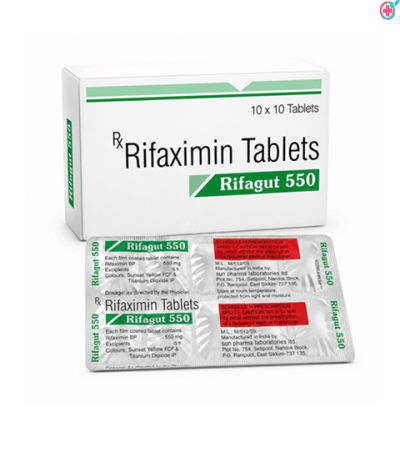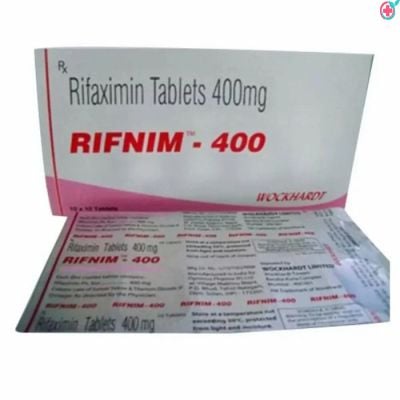
Rcifax Tablet (Rifaximin) Used to Treat Infectious Traveler’s Diarrhea, IBS-D, and Hepatic Encephalopathy
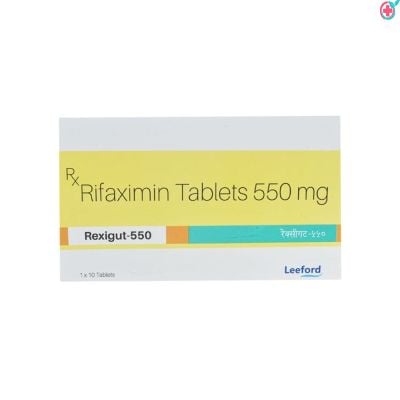
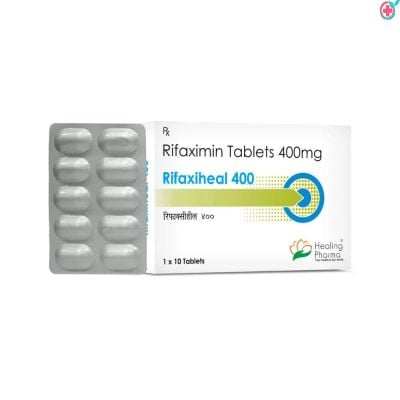
Rcifax Tablet contains Rifaximin, an antibiotic used to treat gastrointestinal infections such as traveler’s diarrhea, hepatic encephalopathy, and irritable bowel syndrome with diarrhea (IBS-D).


Introduction
Rcifax Tablet is an oral antibiotic containing Rifaximin, a non-systemic, broad-spectrum antibiotic. It is primarily used for treating gastrointestinal infections and liver-related complications. Rcifax is designed for adults and children as advised by a healthcare provider. Due to its minimal absorption into the bloodstream, it works directly in the intestines, offering targeted treatment with fewer systemic side effects.
Precautions of Rcifax Tablet
- Before using Rcifax, inform your doctor if you:
- Have liver disease
- Are allergic to rifamycin antibiotics (e.g., rifampin, rifabutin)
- Are pregnant or breastfeeding
- Have bloody diarrhea or a history of colitis
Do not take Rcifax if:
- You are allergic to Rifaximin
- You are experiencing diarrhea with fever or blood in stools (without doctor approval)
- You have a confirmed or suspected C. difficile infection
Uses of Rcifax Tablet
Rcifax Tablet is commonly prescribed for the treatment and management of:
- Traveler’s Diarrhea (caused by non-invasive strains of E. coli)
- Hepatic Encephalopathy (prevention of episodes in patients with chronic liver disease)
- Irritable Bowel Syndrome with Diarrhea (IBS-D)
- Small Intestinal Bacterial Overgrowth (SIBO) – off-label use
Other bacterial gastrointestinal infections as advised by a doctor
Side Effects of Rcifax Tablet
Most people tolerate Rcifax well, but some may experience mild to moderate side effects. Severe effects are rare.
Common Side Effects:
- Nausea
- Headache
- Flatulence
- Abdominal pain
- Fatigue
FAQs of Rcifax Tablet
Q1: Can Rcifax be used for all types of diarrhea?
A: No. Rcifax is only effective for non-invasive E. coli-induced diarrhea and other specific bacterial infections. It is not effective against viral diarrhea or diarrhea with blood/fever unless prescribed.
Q2: Is Rcifax safe during pregnancy or breastfeeding?
A: Use only if clearly needed and prescribed by a healthcare provider. Limited data is available on safety in pregnancy and lactation.
Q3: How long should Rcifax be taken?
A: Duration depends on the condition being treated. Traveler’s diarrhea is usually treated for 3 days, while hepatic encephalopathy may require longer use. Always follow your doctor’s instructions.
Q4: Can Rcifax be used in children?
A: It may be prescribed to children based on age, weight, and medical condition. Use only under pediatric supervision.
Q5: What should I do if I miss a dose?
A: Take it as soon as you remember. If it’s almost time for your next dose, skip the missed dose. Do not double up.
Interactions of Rcifax Tablet
Rcifax has a low potential for drug interactions because of its limited absorption, but some interactions may still occur:
- Potential Interactions Include:
- Warfarin: Rifaximin may alter INR levels
- Cyclosporine: May affect the metabolism of both drugs
- Other antibiotics: May reduce effectiveness when combined
- Alcohol: No direct interaction, but alcohol may worsen GI symptoms
Always inform your doctor about all medicines, supplements, and herbal products you are taking.
| Manufacturer | : | Lupin Pharma, India |
| Trade Name | : | Xifaxan |
| Generic Search | : | Rifaximin |
| Strength | : | 200mcg, 400mcg, 550mcg |
Certified Content

Dr. Priya Nair
Clinical Pharmacist & Senior Drug Information Specialist | 9 years
Pharm.D. (Doctor of Pharmacy)
Latest Products