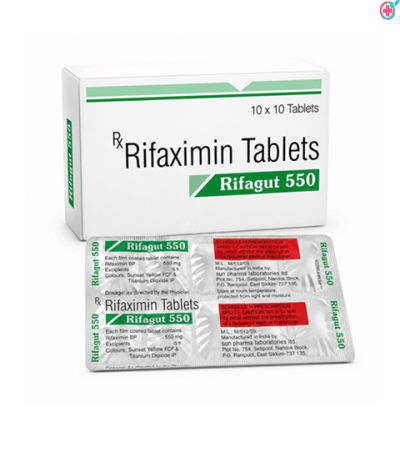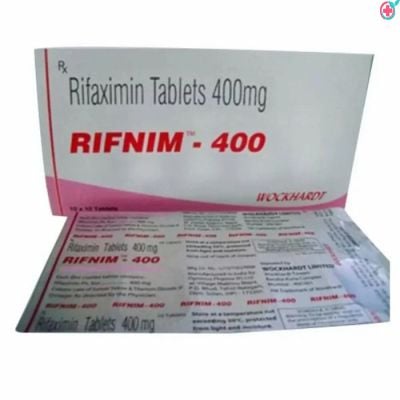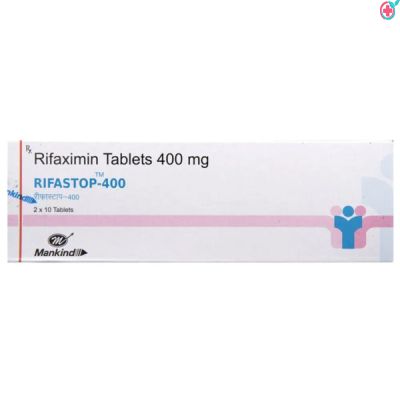
Rexigut Tablet (Rifaximin) Used to Treat Infectious Traveler’s Diarrhea, IBS-D, and hepatic Encephalopathy
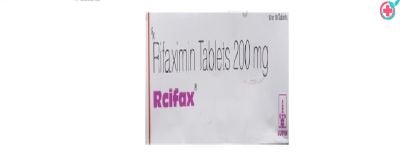
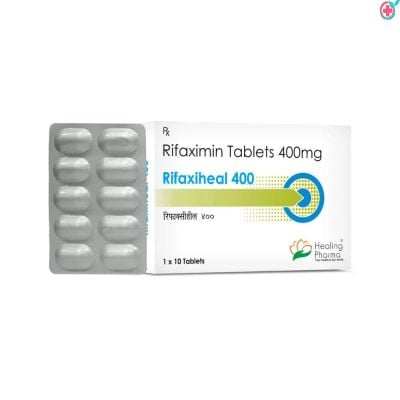
Rexigut Tablet contains Rifaximin, a non-absorbable antibiotic primarily used to treat gastrointestinal infections. It is prescribed for patients suffering from certain bacterial infections affecting the gut. Rexigut is especially beneficial for adults with Irritable Bowel Syndrome with Diarrhea (IBS-D), hepatic encephalopathy, or traveler’s diarrhea caused by non-invasive strains of Escherichia coli.
This medication is intended for use under the supervision of a qualified healthcare provider and is commonly prescribed by gastroenterologists, hepatologists, and infectious disease specialists.


Description of Rexigut Tablet:
- Brand Name: Rexigut Tablet
- Generic Name: Rifaximin
- Dosage Form: Oral tablet
- Strengths Available: 200 mg, 400 mg, 550 mg
- Route of Administration: Oral
- Manufacturer: Leeford Healthcare Ltd
Rifaximin in Rexigut acts locally in the intestines with minimal systemic absorption, making it safe for prolonged or repeated use under medical supervision.
Precautions of Rexigut Tablet:
Before using Rexigut, consult your doctor if you:
- Have a history of liver disease
- Are allergic to rifamycin antibiotics
- Are pregnant or breastfeeding
- Have a compromised immune system
- Have symptoms of fever, bloody stools, or systemic infection
Who should avoid Rexigut:
- Patients with known hypersensitivity to Rifaximin or similar drugs (e.g., rifampin)
- Patients with diarrhea containing blood or accompanied by fever (may require different treatment)
Uses of Rexigut Tablet:
Rexigut (Rifaximin) is used in the treatment of:
- Irritable Bowel Syndrome with Diarrhea (IBS-D)
- Hepatic Encephalopathy – to reduce the risk of recurrent episodes
- Traveler’s Diarrhea – caused by E. coli, when fever or blood is not present in the stool
- Small Intestinal Bacterial Overgrowth (SIBO) – off-label use
- Diverticular disease-related symptoms – off-label use
Side Effects of Rexigut Tablet:
While generally well-tolerated, Rexigut may cause side effects in some individuals:
Common side effects:
- Nausea
- Headache
- Abdominal pain
- Bloating or gas
- Constipation
Less common or serious side effects:
- Allergic reactions (rash, itching, swelling)
- Dizziness
- Fever
- Severe diarrhea (possibly indicating C. difficile infection)
Seek immediate medical attention if you experience symptoms of a severe allergic reaction or persistent diarrhea.
FAQs of Rexigut Tablet:
Q1. How long can I take Rexigut Tablet?
A: Treatment duration depends on the condition. For IBS-D, a 14-day course is common. For hepatic encephalopathy, long-term use may be prescribed.
Q2. Can I take Rexigut with food?
A: Yes, it can be taken with or without food, as directed by your physician.
Q3. Is Rexigut safe during pregnancy?
A: Consult your doctor. Its safety during pregnancy has not been firmly established.
Q4. Does Rexigut affect normal gut bacteria?
A: It targets specific bacteria with minimal systemic impact, but may alter gut flora temporarily.
Q5. Can children take Rexigut?
A: It is generally not recommended for children under 12 unless specifically prescribed.
Interactions of Rexigut Tablet:
Rifaximin has minimal systemic absorption, so drug interactions are uncommon. However, inform your doctor about all medications you are taking, especially:
- Cyclosporine
- Warfarin (monitor INR levels)
- Antibiotics (may affect gut flora and drug efficacy)
Also inform your doctor about herbal supplements or probiotics you may be using.
| Manufacturer | : | Leeford Pharma, India |
| Trade Name | : | Xifaxan |
| Generic Search | : | Rifaximin |
| Strength | : | 200mg, 400mg, 550mg |
Certified Content

Dr. Priya Nair
Clinical Pharmacist & Senior Drug Information Specialist | 9 years
Pharm.D. (Doctor of Pharmacy)
Latest Products