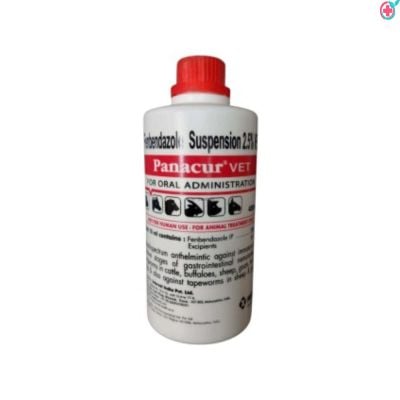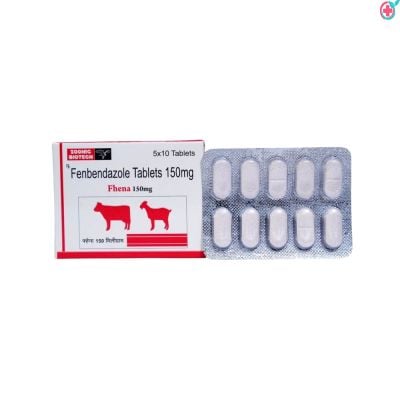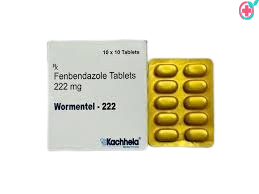
Panacur Tablet (Fenbendazole) Used to Treat Parasitic Worm Infections in Dogs, Cats, Horses, and Livestock
Panacur Tablet contains Fenbendazole, a broad-spectrum anthelmintic (dewormer) commonly used to treat and control parasitic infections in animals. It is highly effective against various gastrointestinal parasites, including roundworms, hookworms, whipworms, and certain types of tapeworms.


Product Overview
Panacur Tablet is a highly reliable broad-spectrum anthelmintic medication used extensively in veterinary medicine to treat a variety of parasitic infestations in animals. Containing Fenbendazole, it is specifically designed to eliminate internal parasites, including roundworms, hookworms, whipworms, and certain types of tapeworms. This deworming treatment is trusted by veterinarians for its high safety margin and its ability to provide a comprehensive parasite cleanse in household pets and livestock.
Product Composition
- Fenbendazole IP/BP: 150 mg (Active Ingredient)
- Chemical Class: Benzimidazole derivative
- Excipients: Lactose, Povidone, and Magnesium Stearate
- Formulation: Oral tablets formulated for easy administration and high bioavailability
Product Specification
| Feature | Details |
| Active Molecule | Fenbendazole |
| Therapeutic Class | Anthelmintic / Dewormer |
| Target Species | Dogs, Cats, and Livestock |
| Parasite Range | Nematodes and some Cestodes |
| Action Type | Ovicidal and Vermicidal |
Mechanism of Action
- Functions by binding to tubulin, a structural protein within the parasite, which inhibits the formation of microtubules.
- Disrupts the parasite’s metabolism, specifically blocking the uptake of glucose, which leads to energy depletion.
- Provides ovicidal effects, meaning it not only kills the adult worms but also prevents the hatching of parasitic eggs, breaking the infestation cycle.
- Causes the gradual death of the intestinal parasites, allowing them to be safely expelled from the host's body through natural digestion.
Key Benefits
- Comprehensive Deworming: Effectively targets multiple life stages of intestinal worms, ensuring a thorough treatment.
- High Safety Margin: One of the safest veterinary medicines, making it suitable for use in pregnant animals and very young puppies or kittens.
- Effective Against Giardia: Frequently utilized as a primary treatment for Giardia infections, a common cause of digestive distress in pets.
- Minimal Side Effects: Well-tolerated by most animals, providing parasite control without causing significant lethargy or loss of appetite.
- Versatile Application: Can be easily administered directly or crushed into food to ensure pet compliance during the treatment course.
Precautions
| Condition or Situation | Precaution |
|---|---|
| Liver disease | Use cautiously as it may affect liver function |
| Pregnancy | Avoid use unless clearly advised by a healthcare provider |
| Breastfeeding | Use only under medical supervision |
| Allergies | Do not use if allergic to Fenbendazole |
| Long term use | Avoid prolonged use without medical guidance |
| Severe illness | Use only under proper medical supervision |
| Children | Dose must be strictly as prescribed |
| Alcohol use | Avoid alcohol during treatment |
| Other medicines | Inform doctor about all ongoing medicines |
| Immune disorders | Use carefully in weakened immune conditions |
Important Safety Information
- Take Panacur Tablet exactly as prescribed
- Complete the full course for effective deworming
- Maintain proper hygiene to prevent reinfection
- Report symptoms like persistent nausea or abdominal pain
- Do not self-medicate or repeat dose without medical advice
- Follow medical instructions strictly for parasite control treatment
Usage
Panacur Tablet is a staple in veterinary parasite management, providing a reliable way to ensure your animals remain healthy and free from internal infections. To achieve a successful parasite eradication, it is critical to follow the specific weight-based dosing and the multi-day schedule required for Fenbendazole to be effective.
Dosage Guidelines
| Animal Type | Typical Dosage | Frequency / Duration |
| Dogs and Cats | 50 mg per kg of body weight | Once daily for 3 consecutive days |
| Puppies and Kittens | 50 mg per kg (after 2 weeks old) | Once daily for 3 days; repeat at 5, 8, & 12 weeks |
| Giardia Treatment | 50 mg per kg | Once daily for 5 to 10 days |
| Livestock (Sheep/Cattle) | 5 mg to 7.5 mg per kg | Single dose treatment |
Administration Steps
Weight Accuracy: Always weigh your pet before administration to ensure the correct anthelmintic dose is calculated for their current size.
Meal Integration: It is highly recommended to administer this deworming pill with food or mixed into a small portion of their favorite meal to increase drug absorption.
Tablet Preparation: For smaller animals or fussy eaters, the Panacur tablet can be crushed and blended into wet food or a paste.
Course Completion: Ensure the animal receives the treatment for the full number of days prescribed; skipping a day can allow parasite larvae to survive.
Hygiene Protocol: Clean the animal’s living area and dispose of feces immediately during treatment to prevent re-infestation from eggs in the environment.
Uses
Intestinal Worm Control: Effectively eliminates adult and larval stages of roundworms (Toxocara), hookworms, and whipworms.
Tapeworm Removal: Used specifically to treat Taenia species of tapeworms in dogs and cats.
Giardiasis Treatment: One of the preferred clinical choices for clearing Giardia protozoa which cause chronic diarrhea and weight loss.
Lungworm Eradication: Prescribed by veterinarians to treat lungworm infections in both companion animals and livestock.
Prenatal Deworming: Administered to pregnant dogs during the last trimester to reduce the transmission of parasitic infections to the puppies.
Livestock Health: Used to manage a broad range of stomach worms and intestinal parasites in sheep, cattle, and horses to improve growth and productivity.
Side Effects
Common Side Effects
- Mild nausea or stomach discomfort
- Abdominal pain or cramps
- Diarrhea or loose stools
- Loss of appetite
- Headache or mild dizziness
Less Common Side Effects
- Mild vomiting
- Temporary fatigue or weakness
- Mild skin rash or itching
- Gas or bloating
- Temporary liver enzyme changes
Rare Side Effects
| Rare Side Effect | Description |
|---|---|
| Severe allergic reaction | May include swelling, rash, or breathing difficulty |
| Liver toxicity | Rare liver damage or jaundice |
| Blood count changes | May affect white or red blood cells |
| Severe gastrointestinal irritation | Rare severe abdominal pain or discomfort |
| Neurological symptoms | Very rare dizziness or confusion in sensitive cases |
Important Safety Information
- Take exactly as prescribed for deworming treatment
- Complete the full course to prevent reinfection
- Report severe abdominal pain, rash, or yellowing of eyes immediately
- Maintain hygiene to avoid repeat infection
- Do not self-adjust dose or repeat treatment without medical advice
FAQs
Q: What is Panacur Tablet used for?
A: Panacur Tablet is used to treat intestinal worm infections including roundworms, hookworms, whipworms, and tapeworms. It is used in both the treatment and prevention of parasitic worm infestations.
Q: How does Panacur Tablet work?
A: Panacur contains Fenbendazole, which works by binding to the structural proteins (tubulin) of parasitic worms, disrupting their energy metabolism and cell division. This causes paralysis and death of the worms, which are then eliminated from the body naturally.
Q: How should I take Panacur Tablet?
A: Take Panacur Tablet exactly as prescribed by your doctor, usually once daily with or without food. Swallow the tablet whole with a glass of water and complete the full course of treatment as directed.
Q: How long is the course of treatment with Panacur Tablet?
A: The duration of treatment depends on the type of worm infection being treated. It is typically given for 3 consecutive days, though your doctor may adjust the duration based on your condition and response to treatment.
Q: What are the common side effects of Panacur Tablet?
A: Panacur Tablet is generally well tolerated. Some users may experience mild side effects such as nausea, vomiting, stomach discomfort, or diarrhoea. Consult your doctor if any side effects persist or worsen.
Q: Is Panacur Tablet safe for children?
A: Panacur Tablet may be used in children under medical supervision, with the dose adjusted according to the child's age and body weight. Always consult a doctor before giving this medicine to a child.
Q: Can pregnant or breastfeeding women take Panacur Tablet?
A: Panacur Tablet is not recommended during pregnancy, particularly during the first trimester, as its safety has not been fully established. Breastfeeding women should also consult their doctor before use.
Q: Do I need to take any special precautions while on Panacur Tablet?
A: Maintain good hygiene practices such as regular handwashing, keeping nails short, and washing bedding and clothing to prevent reinfection. All household members may need to be treated simultaneously as advised by your doctor.
Q: Can Panacur Tablet interact with other medicines?
A: Inform your doctor of all medicines, supplements, and herbal products you are currently taking before starting Panacur. Some medicines may interact with Fenbendazole and affect its efficacy or safety.
Q: What should I do if I miss a dose of Panacur Tablet?
A: If you miss a dose, take it as soon as you remember. If it is almost time for your next dose, skip the missed dose and continue with your regular schedule. Do not take a double dose to make up for a missed one.
| Manufacturer | : | A. Menarini India Pvt Ltdine HCL) |
| Trade Name | : | Panacur |
| Generic Search | : | Fenbendazole |
| Strength | : | 150mg |
Certified Content

Dr. Priya Nair
Clinical Pharmacist & Senior Drug Information Specialist | 9 years
Pharm.D. (Doctor of Pharmacy)
Latest Products