Metrogyl Gel (Metronidazole) | Flagyl Alternative | Used to Treat Bacterial Skin Infections, Rosacea, and, Vaginal Infections
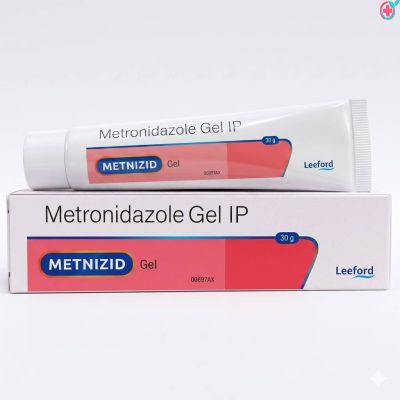
Metrogyl Gel contains Metronidazole, used for the effective treatment of bacterial skin infections and inflammatory conditions such as acne rosacea by reducing inflammation, redness, and acne-like pustules. Metronidazole is used to treat bacterial infections of the vagina, stomach, skin, joints, and respiratory tract. It belongs to a class of medicines called as nitroimidazole antibiotics.


Product Overview
Metrogyl Gel is a topical formulation containing Metronidazole, a potent antimicrobial and anti-inflammatory agent widely used in dermatology. Metrogyl Gel is primarily used for the management of inflammatory lesions associated with rosacea, as well as for treating certain bacterial and protozoal skin infections. By targeting the underlying inflammatory pathways and local bacterial activity, Metrogyl Gel helps reduce the redness, papules, and pustules that characterize these dermatological conditions, promoting smoother and healthier skin.
Product Composition
- Active Ingredient: Metronidazole (usually 2% w/w)
- Preservatives: Methylparaben and Propylparaben
- Gel Base: Purified water, Propylene Glycol, and carbomer-based gelling agents
- pH Balance: Formulated to be compatible with the skin's natural acidic mantle
Product Specifications
| Feature | Details |
| Brand Name | Metrogyl Gel |
| Generic Name | Metronidazole |
| Therapeutic Category | Topical Antiprotozoal / Antibacterial |
| Formulation | Topical Gel |
| Common Concentrations | 2% w/w |
Mechanism of Action
- Antimicrobial Activity: Metronidazole enters the bacterial cell and is activated by reduction, creating short-lived intermediate compounds that damage the DNA of the susceptible microorganisms, inhibiting their growth and survival.
- Anti-inflammatory Effects: Beyond its antimicrobial properties, it helps modulate the local inflammatory response. It reduces the production of reactive oxygen species and inflammatory cytokines, which are key drivers of redness and swelling in conditions like rosacea.
- Targeted Action: The gel formulation allows for high local concentration at the site of infection or inflammation with minimal systemic absorption, reducing the risk of internal side effects.
Key Benefits
- Effective Rosacea Management: Clinically proven to significantly reduce the frequency and severity of papules and pustules.
- Soothing Action: Provides relief from the burning, stinging, and irritation often associated with chronic inflammatory skin conditions.
- Excellent Tolerability: Generally well-tolerated with a low incidence of local irritation, making it suitable for sensitive skin.
- Non-Greasy Formulation: Absorbs quickly into the skin without leaving a sticky or oily residue, making it easy to incorporate into daily skincare routines.
Precautions
Medical Supervision
- Use Metrogyl Gel (Metronidazole) only as prescribed by a healthcare professional
- Do not use for longer than recommended without medical advice
- Inform your doctor if symptoms do not improve or worsen
Application Guidelines
- Apply a thin layer only on the affected skin area
- Wash hands before and after application
- Avoid contact with eyes, mouth, and mucous membranes
- Do not apply on broken or severely irritated skin unless advised
Skin Sensitivity
- Mild burning, dryness, or irritation may occur initially
- Avoid using harsh scrubs, exfoliants, or alcohol-based products during treatment
- Reduce frequency if irritation becomes excessive
Combination Use
- Avoid using with strong acne treatments or other topical antibiotics unless prescribed
- Do not mix with irritating skincare products without medical guidance
Sun Exposure
- Use sunscreen during the day as inflamed skin may be more sensitive
- Avoid prolonged sun exposure if irritation is present
Special Populations
- Pregnant and breastfeeding women should use only if advised by a doctor
- Use in children only under medical supervision
- Elderly patients should use cautiously if skin is sensitive
| Precaution Type | Recommendation |
|---|---|
| Application area | External use only on affected skin |
| Dosage control | Apply thin layer as prescribed |
| Skin sensitivity | Avoid harsh skincare products |
| Sun protection | Use sunscreen daily |
| Combination therapy | Avoid mixing with strong actives unless advised |
| Monitoring | Stop use if severe irritation occurs |
Usage
To maximize the therapeutic benefits of Metrogyl Gel, follow these clinical guidelines for application and maintenance.
Dosage
Daily Frequency: Apply a thin layer to the affected areas twice daily, typically once in the morning and once in the evening, or exactly as prescribed by your dermatologist.
Duration: Treatment duration varies based on the severity of the condition and your response to the medication. Consistency is key; continue use for the full duration recommended by your doctor to ensure symptoms do not recur.
Gradual Adjustment: If you have exceptionally sensitive skin, your doctor may recommend starting with once-daily application before increasing to twice daily.
Administration
Preparation: Before applying the gel, wash the affected skin area with a gentle, non-irritating cleanser and pat completely dry. Do not scrub or rub the skin harshly.
Application Technique: Dispense a small amount and apply a thin film to the entire affected area. Gently massage the gel into the skin until it is fully absorbed.
Hygiene: Wash your hands thoroughly after applying the gel to avoid getting it into your eyes, nose, or mouth.
Aftercare: Once the gel has dried (usually within a few minutes), you may apply other products such as moisturizer, sunscreen, or cosmetics.
Administration Guidelines
| Instruction | Recommended Action |
| Preparation | Use a mild cleanser; pat dry |
| Application | Apply a thin film to the entire affected area |
| Hygiene | Wash hands immediately after application |
| Sun Safety | Use daily sunscreen to protect inflamed skin |
Uses
Rosacea Management: The primary use for Metrogyl Gel is the reduction of inflammatory papules, pustules, and general redness associated with rosacea.
Bacterial Skin Infections: Effective in managing specific superficial skin infections where the causative bacteria are susceptible to Metronidazole.
Anti-inflammatory Support: Helps reduce the chronic inflammation and stinging sensations associated with dermatological flare-ups.
Side effects
Common Side Effects
- Mild burning or stinging sensation
- Skin dryness or irritation
- Redness at the application site
- Itching or slight discomfort
- Temporary skin tightness
Less Common Side Effects
- Peeling or flaking of skin
- Mild swelling or sensitivity
- Oily or dry patches on treated area
- Temporary worsening of redness in initial days
Serious Side Effects
| Serious Side Effect | Symptoms | What to Do |
|---|---|---|
| Severe allergic reaction | Rash, swelling, difficulty breathing | Stop immediately and seek emergency care |
| Severe skin irritation | Intense redness, burning, worsening inflammation | Discontinue and consult doctor |
| Contact dermatitis | Severe itching, rash, blistering | Stop use and get medical advice |
| Worsening infection | Increased redness, pain, or spread of lesions | Consult dermatologist promptly |
| Persistent skin sensitivity | Long-lasting irritation or discomfort | Stop treatment and seek evaluation |
Monitoring
Skin Response Monitoring
- Observe reduction in redness and inflammation over time
- Watch for improvement in acne or rosacea symptoms
- Monitor for excessive dryness or irritation
Allergy Monitoring
- Discontinue if rash, swelling, or severe itching develops
- Avoid re-use if allergic reaction is suspected
Treatment Progress Monitoring
- Ensure gradual improvement in skin condition within prescribed period
- Consult doctor if no visible improvement or worsening occurs
Safety Monitoring
- Track skin sensitivity when combined with other skincare products
- Report persistent or severe side effects to a healthcare professional
FAQs
Q: What is Metrogyl Gel primarily used for?
A: Metrogyl Gel is mainly used to treat the inflammatory lesions, redness, and pustules associated with rosacea. It is also used to manage certain other skin infections caused by susceptible bacteria.
Q: How long does it take for Metrogyl Gel to show results?
A: You may begin to notice improvements within 3 to 9 weeks of consistent use. It is important to continue the treatment for the duration prescribed by your doctor to achieve optimal results.
Q: Can I use makeup or other skincare products after applying this gel?
A: Yes, you can apply makeup, sunscreen, or non-comedogenic moisturizers after the gel has been allowed to dry completely on your skin.
Q: Does Metrogyl Gel make my skin sensitive to sunlight?
A: Metronidazole itself is not typically a photosensitizing agent; however, the skin conditions it treats (like rosacea) often make the skin more sensitive to sun exposure. It is strongly recommended to use a high-SPF, broad-spectrum sunscreen daily.
Q: Is it safe to use during pregnancy or while breastfeeding?
A: Consult your healthcare provider before use. While systemic absorption is low, the safety of topical Metronidazole during pregnancy and lactation needs to be assessed by a physician based on your individual circumstances.
Q: What should I do if I experience irritation or dryness?
A: While irritation is uncommon, if it occurs, you may try reducing the frequency of application or using a mild, non-comedogenic moisturizer. If the irritation is severe or does not resolve, discontinue use and speak with your doctor.
Q: Can I use this gel for acne vulgaris?
A: Metrogyl Gel is specifically indicated for rosacea and certain bacterial/protozoal infections. It is not typically a first-line treatment for common acne (acne vulgaris), which often requires different active ingredients.
Q: Is Metrogyl Gel effective against all types of skin infections?
A: No, it is only effective against specific microorganisms susceptible to Metronidazole. It will not work for fungal infections or infections caused by bacteria not sensitive to this medication. Always use it only for the specific condition diagnosed by your doctor.
Interactions
Other Topical Acne or Antibiotic Treatments
- Avoid using Metrogyl Gel (Metronidazole) with other topical antibiotics unless prescribed
- Combining multiple antimicrobial products may increase irritation without improving results
- Use only one targeted treatment unless advised by a dermatologist
Strong Acne Treatments
- Use caution when combining with retinoids, benzoyl peroxide, or salicylic acid
- These combinations may increase dryness, redness, and skin sensitivity
- If required, use at different times only under medical guidance
Harsh Skincare Products
- Avoid alcohol-based toners, scrubs, and chemical exfoliants during treatment
- These products can worsen irritation and delay skin healing
- Stick to mild and gentle skincare routine
Cosmetic Products
- Heavy makeup or pore-clogging products may reduce effectiveness
- Apply gel on clean skin and allow full absorption before using cosmetics
- Prefer non-comedogenic skincare and makeup
Other Medicines
- Systemic interactions are minimal with topical use, but inform your doctor about all ongoing medications
- Use caution if applying multiple prescription skin treatments simultaneously
| Interacting Product Type | Possible Effect | Recommendation |
|---|---|---|
| Other topical antibiotics | Increased irritation or redundancy | Avoid combination unless prescribed |
| Retinoids / acne treatments | Dryness, redness, sensitivity | Use with caution or separately |
| Benzoyl peroxide / exfoliants | Skin irritation and peeling | Avoid or space usage |
| Alcohol-based products | Increased dryness and irritation | Avoid during treatment |
| Cosmetics | Reduced absorption or clogged pores | Use non-comedogenic products |
| Multiple prescriptions | Possible overlapping effects | Consult dermatologist |
| Manufacturer | : | A. Menarini India Pvt Ltdine HCL) |
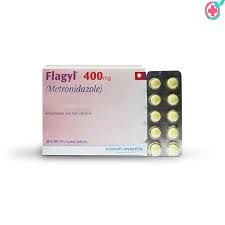
| Trade Name | : | Flagyl |
| Generic Search | : | Metronidazole |
| Strength | : | 30 gm |
Certified Content

Dr. Priya Nair
Clinical Pharmacist & Senior Drug Information Specialist | 9 years
Pharm.D. (Doctor of Pharmacy)
Latest Products