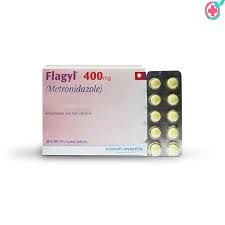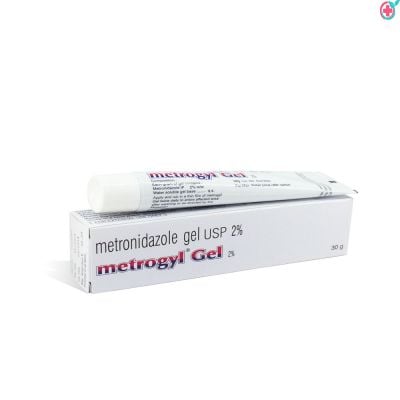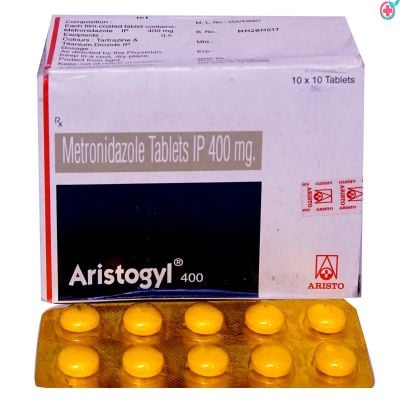
Metrogyl Tablet (Metronidazole) | Flagyl Alternative | Used To Treat Certain Bacterial and Parasitic Infections
Metrogyl 200 mg, containing Metronidazole, is an effective antibiotic used to treat bacterial and protozoal infections in various parts of the body, including the liver, stomach, intestines, reproductive system, brain, heart, lungs, bones, and skin. It works by killing infection-causing organisms and helping restore normal gut and tissue health.


Product Overview
Metrogyl Tablet is specifically designed to target anaerobic bacteria and certain parasites of the stomach, reproductive system, skin, and joints. It is a highly effective antibacterial and antiprotozoal medication containing Metronidazole. It belongs to the nitroimidazole class of antibiotics. By disrupting the DNA of these microorganisms, Metrogyl stops their growth and clears infections throughout various parts of the body, including the gastrointestinal tract, skin, and reproductive system.
As a versatile antimicrobial agent, this medication is a primary choice for treating infections that thrive in low-oxygen environments. Metrogyl 200/400 mg is widely recognized for its efficacy in resolving amoebiasis, giardiasis, and various surgical infections. Its ability to penetrate deep tissues and cross the blood-brain barrier makes it a critical tool in managing complex systemic infections and dental abscesses.
Product Composition
The therapeutic strength of Metrogyl is centered on its active ingredient, formulated for high oral bioavailability.
- Active Ingredient: Metronidazole (Commonly available in 200 mg & 400 mg strengths).
- Chemical Class: Nitroimidazole derivative.
- Inactive Ingredients: Includes Lactose, Microcrystalline cellulose, and Povidone to ensure stable tablet disintegration.
- Coating: Tablets are often film-coated to mask the naturally bitter metallic taste of the active drug.
Product Specification
| Feature | Details |
| Brand Name | Metrogyl Tablet |
| Generic Name | Metronidazole |
| Therapeutic Class | Antibiotic / Antiprotozoal |
| Dosage Form | Oral Tablet |
| Available Strengths | 200 mg & 400 mg |
| Primary Indication | Amoebic Dysentery and Anaerobic Infections |
Mechanism of Action
Metrogyl Tablet functions through a specific biochemical reduction process that is lethal to certain pathogens:
- Selective Activation: The drug is taken up by anaerobic bacteria and protozoa, where it is reduced to an active intermediate by their internal cellular machinery.
- DNA Disruption: This active form binds to the microorganism's DNA, causing strand breakage and loss of helical structure.
- Inhibition of Synthesis: By destroying the DNA, the medication prevents the bacteria from replicating or producing necessary proteins, leading to rapid cell death.
- Broad Anaerobic Coverage: It is highly effective against pathogens that do not require oxygen, which are often found in deep wounds and the gut microbiome.
Key Benefits
- Dual Action Efficacy: Effectively targets both harmful bacteria and parasitic protozoa in a single treatment course.
- Rapid Infection Clearance: Known for providing quick relief from symptoms like diarrhea and abdominal pain in intestinal infections.
- Tissue Penetration: Excellent ability to reach high concentrations in the liver, lungs, and brain, making it effective for abscess management.
- Pre-Surgical Prophylaxis: Often used to prevent post-operative infections in abdominal and gynecological surgeries.
- Dental Health Support: A standard treatment for severe periodontal infections and painful gum conditions like Vincent’s angina.
Usage
To ensure the successful eradication of anaerobic bacteria or parasites, Metrogyl Tablet must be taken exactly as prescribed. Completing the full course is essential to prevent the recurrence of the infection and the development of antibiotic resistance.
Dosage and Administration
The Metronidazole dosage varies significantly based on the type and location of the infection.
| Indication | Typical Adult Dosage | Frequency |
| Amoebiasis (Dysentery) | 400 mg to 800 mg | 3 times daily for 5–10 days |
| Giardiasis | 200 mg to 400 mg | 3 times daily for 5 days |
| Bacterial Vaginosis | 400 mg to 500 mg | 2 times daily for 5–7 days |
| Dental Infections | 200 mg to 400 mg | 3 times daily for 3–7 days |
How to Take Metrogyl Tablet:
Take with Food: It is highly recommended to take your Metrogyl dose during or immediately after a meal. This helps reduce gastrointestinal side effects like nausea or stomach upset.
Avoid Alcohol (Crucial): Do not consume alcohol during treatment and for at least 48 to 72 hours after the last dose. Mixing Metronidazole with alcohol causes a "disulfiram-like reaction," resulting in severe vomiting, flushing, and rapid heartbeat.
Swallow Whole: Do not crush or chew the tablet. The film coating helps manage the metallic taste often associated with Metronidazole.
Hydration: Drink plenty of water throughout the day to help your body process the medication efficiently.
Consistency: Take the doses at evenly spaced intervals to maintain a steady level of the antimicrobial agent in your bloodstream.
Storage and Handling
Light Sensitivity: Keep the tablets in their original strip or container, as Metronidazole can be sensitive to prolonged light exposure.
Temperature: Store in a cool, dry place below 30°C.
Safety: Keep out of reach of children and pets.
Uses
Metrogyl (Metronidazole) is a versatile anti-infective agent used to treat a wide spectrum of parasitic and bacterial conditions.
Primary Indications
Intestinal Amoebiasis: The primary treatment for amoebic dysentery, effectively clearing parasites from the colon.
Hepatic Amoebiasis: Used to treat liver abscesses caused by the Entamoeba histolytica parasite.
Giardiasis: Clears intestinal infections caused by Giardia, which often lead to cramping and watery diarrhea.
Trichomoniasis: A standard treatment for this common sexually transmitted infection (STI) in both men and women.
Bacterial Vaginosis: Resolves overgrowth of harmful bacteria in the vaginal tract.
Secondary and Clinical Uses
Aspiration Pneumonia: Used when lung infections are suspected to involve anaerobic bacteria from the mouth or stomach.
H. pylori Treatment: Often combined with other antibiotics and a PPI to treat stomach ulcers caused by Helicobacter pylori.
Surgical Prophylaxis: Administered before appendectomies or colorectal surgeries to prevent post-operative sepsis.
Skin Infections: Used for infected pressure sores, leg ulcers, and severe cases of rosacea.
Dental Abscesses: Effectively treats acute dental infections, including periodontitis and infected gums.
Side Effects
Common Side Effects
- Nausea
- Vomiting
- Loss of appetite
- Abdominal discomfort or stomach pain
- Diarrhea or loose stools
- Metallic taste in mouth
- Headache
- Dizziness
Serious Side Effects
- Severe allergic reactions such as rash, itching, swelling, or breathing difficulty
- Numbness, tingling, or weakness in hands and feet (nerve-related effects)
- Severe stomach pain or persistent diarrhea
- Seizures (rare)
- Dark urine or yellowing of skin/eyes (liver issues)
Long-Term or Rare Side Effects
| Side Effect | Description |
|---|---|
| Peripheral neuropathy | Nerve damage causing tingling or numbness in limbs |
| Liver toxicity | Rare impairment of liver function with prolonged use |
| Blood disorders | Uncommon changes in blood cell counts |
| Fungal overgrowth | Disruption of normal flora leading to secondary infections |
| CNS effects | Confusion or coordination problems in rare cases |
Monitoring Tips
- Monitor for tingling or numbness in hands and feet
- Watch for persistent nausea or worsening abdominal pain
- Avoid alcohol to reduce risk of severe reactions
- Report yellowing of skin or eyes immediately
- Complete the full course but inform doctor if severe side effects occur
Interactions
Drug Interactions
- Alcohol may cause severe reactions such as nausea, vomiting, flushing, and rapid heartbeat
- Warfarin and other blood thinners may have increased bleeding risk; close monitoring is required
- Lithium levels may increase, leading to toxicity risk
- Antiepileptic medicines (e.g., phenytoin, phenobarbital) may reduce Metrogyl effectiveness
- Cimetidine may increase Metronidazole levels in the body
Health and Disease Interactions
| Condition | Interaction Effect |
|---|---|
| Liver disease | Reduced metabolism; increased risk of side effects |
| Kidney disease | May require dose adjustment and monitoring |
| Neurological disorders | Increased risk of seizures or neuropathy |
| Blood disorders | May worsen blood-related side effects |
| Pregnancy (first trimester) | Use only if clearly necessary under supervision |
Food and Lifestyle Interactions
- Alcohol must be strictly avoided during treatment and for 48–72 hours after stopping
- Heavy or spicy foods may worsen stomach discomfort
- Staying hydrated helps reduce gastrointestinal side effects
- Avoid driving if dizziness or drowsiness occurs
Medication Timing Considerations
- Take at evenly spaced intervals for best effectiveness
- Complete full course even if symptoms improve early
- Do not double doses if one is missed
- Inform your doctor before starting any new prescription or OTC medicine
Other Considerations
- May interact with other antibiotics if used together without supervision
- Prolonged use may increase risk of nerve-related side effects
- Always inform healthcare provider about all ongoing medications and supplements
| Manufacturer | : | J B Remedies, India |
| Trade Name | : | Flagyl |
| Generic Search | : | Metronidazole |
| Strength | : | 200mg, 400mg |
Certified Content

Dr. Priya Nair
Clinical Pharmacist & Senior Drug Information Specialist | 9 years
Pharm.D. (Doctor of Pharmacy)
Latest Products