Medidin Gel (Dinoprostone) | Used for Cervical Ripening and Labor Induction
Medidin Gel (Dinoprostone) is a prostaglandin medication used in hospitals for cervical ripening and induction of labor in pregnancy. It helps soften and dilate the cervix, preparing the body for childbirth in post-term or medically indicated deliveries.


Product Overview
Medidin Gel is a specialized, locally acting prostaglandin formulation used exclusively in obstetric care to facilitate the initiation of labor. Containing the active pharmaceutical compound Dinoprostone (a naturally occurring Prostaglandin E2), this cervical gel is engineered to induce cervical ripening in pregnant women at or near full term. It mimics the body's natural biochemical processes to soften, thin, and dilate the cervix when labor needs to be induced for medical or obstetric reasons. Administered strictly by healthcare professionals in a hospital setting, Medidin Gel helps prepare the birth canal, significantly increasing the likelihood of a successful vaginal delivery.
Product Composition
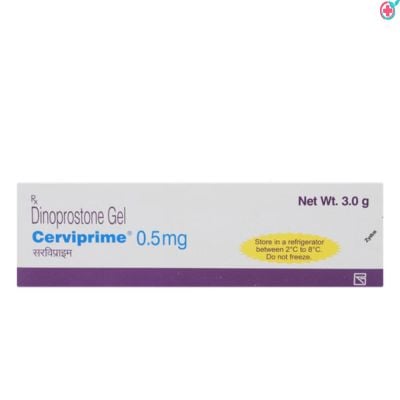
- Active Pharmaceutical Ingredient: Dinoprostone (Prostaglandin E2, standardly formulated at a concentration of 0.5mg per pre-filled syringe dose)
- Dosage Form: Sterile, stable, viscous endocervical gel designed for direct local application to the cervix via a specialized catheter
- Core Excipients: Formulated within a biocompatible, water-soluble polymer matrix base (such as colloidal silicon dioxide and triacetin) that allows the active prostaglandin to remain in contact with cervical tissue
Product Specification
| Product Parameter | Details |
| Brand Name | Medidin Gel |
| Active Ingredient | Dinoprostone (Prostaglandin E2) |
| Therapeutic Class | Oxytocics / Prostaglandins |
| Available Strength | 0.5mg per dose |
| Primary Indications | Induction of labor in pregnant women at or near term who exhibit an unfavorable cervix and have a medical or obstetric need for delivery |
Mechanism of Action
- Enzymatic Breakdown of Collagen: Dinoprostone acts directly on the cervical tissue structure. It stimulates the localized release of specific enzymes, including collagenase, which actively break down the rigid network of collagen fibers within the cervix.
- Cervical Ripening and Hydrophilia: The alteration of collagen causes an increase in water content (hydrophilia) and a decrease in tissue density. This transforms the cervix from a firm, closed structure into a soft, thinned, and more pliable opening.
- Myometrial Smooth Muscle Stimulation: While acting locally on the cervix, the prostaglandin also diffuses slightly into surrounding uterine tissue. It binds to specific prostanoid receptors, promoting intracellular calcium accumulation to trigger coordinated contractions of the myometrial smooth muscle layers.
- Labor Progression Facilitation: By simultaneously ripening the cervix and encouraging baseline uterine activity, the gel lowers the threshold of mechanical resistance required for the progression of active labor.
Key Benefits
- Significantly improves the Bishop score (the clinical measure used to assess cervical readiness), lowering the rates of failed labor inductions.
- Reduces the statistical necessity for high-dose systemic oxytocin infusions, leading to a more natural progression of early-stage contractions.
- Minimizes the overall induction-to-delivery interval, helping avoid prolonged labor windows that could compromise maternal or fetal health.
- Provides a highly targeted, localized therapeutic option that directly prepares the birth canal while limiting unwanted systemic side effects throughout the rest of the body.
Precautions
Important Precautions for Medidin Gel (Dinoprostone)
Medidin Gel (Dinoprostone) is used for cervical ripening and induction of labor in a hospital setting. It must be used only under strict medical supervision due to its strong uterine effects.
| Precaution Area | Details |
|---|---|
| Fetal Monitoring | Continuous monitoring of fetal heart rate is required. |
| Uterine Hyperstimulation | May cause excessive uterine contractions. |
| Previous C-Section | Use with caution due to rupture risk. |
| Multiple Pregnancy | Higher risk of uterine overstimulation. |
| Asthma | Use carefully as prostaglandins may worsen symptoms. |
| Heart, Liver, Kidney Disease | Requires careful medical evaluation. |
| Infection Risk | Avoid use if active vaginal/uterine infection is present. |
Important Safety Advice
- Must be administered only in a hospital or clinical setting
- Continuous maternal and fetal monitoring is essential
- Do not self-administer under any circumstances
- Emergency medical support should be available during use
- Dosage and timing must be strictly controlled by obstetrician
When to Avoid Medidin Gel
- Non-reassuring fetal status (without specialist decision)
- Previous uterine rupture or high-risk uterine scar
- Active genital herpes infection (in some cases)
- Known hypersensitivity to Dinoprostone
Monitoring Requirements
- Fetal heart rate monitoring
- Uterine contraction pattern monitoring
- Maternal blood pressure and vital signs
- Cervical progress assessment
General Note
- This medicine is strictly for hospital use only
- Risk of uterine overstimulation requires close supervision
- Always managed by trained obstetric professionals
Usage
This specialized prostaglandin formulation is restricted strictly to inpatient hospital use within specialized labor and delivery units. It must only be administered by qualified obstetric clinicians who can provide continuous electronic monitoring of the uterus and fetus.
| Parameter | Clinical Guidelines |
| Standard Dosage | The initial dose is 0.5mg dinoprostone (the contents of one pre-filled syringe) applied directly into the endocervical canal. |
| Redosing Interval | If inadequate cervical response occurs, a second dose may be administered after 6 hours, up to a maximum recommended limit within a 24-hour period. |
| Post-Application Positioning | The patient must remain in a recumbent position (lying down on the back or side) for at least 30 to 60 minutes to prevent the gel from leaking out. |
| Oxytocin Co-administration | If sequential oxytocin infusion is required to stimulate contractions, a minimum waiting window of 6 to 12 hours after the last gel dose is mandatory. |
Uses
Induction of Cervical Ripening: Indicated to alter the physical structure of an unfavorable, firm cervix in pregnant women at or near term who have a clear medical requirement for labor induction.
Facilitation of Vaginal Delivery Initiation: Prescribed to soften and dilate the cervical opening, which lowers the rate of failed labor inductions and improves the likelihood of a successful vaginal birth.
Reduction of Induction-to-Delivery Time: Utilized to accelerate the early stages of labor entry, minimizing the risk of prolonged hospital stays and reducing prolonged mechanical stress on both mother and fetus.
Alternative to Immediate Systemic Interventions: Employed as a localized, tissue-specific treatment to prepare the birth canal before initiating heavy systemic intravenous medication.
FAQs
Q: What is Medidin Gel used for?
A: This medication is a specialized prostaglandin gel used in a hospital setting to start or progress the induction of labor. It is applied to the cervix of pregnant women at or near full term when there is a medical need to deliver the baby.
Q: How does Dinoprostone ripen the cervix?
A: It acts directly on the cervical tissue to break down rigid collagen fibers. It increases water content in the tissue, which transforms the cervix from firm and closed to soft, thinned, and dilated. This prepares the birth canal for a vaginal delivery.
Q: Where and how is this gel administered?
A: It must only be administered by a qualified healthcare professional inside a hospital labor and delivery unit. The doctor uses a pre-filled sterile syringe and a slender catheter to apply the gel directly into the cervical canal.
Q: Can a patient move around immediately after the gel is applied?
A: No, you must remain lying down on your back or side for at least 30 to 60 minutes following administration. This prevents the gel from leaking out of the cervical area and ensures maximum local absorption.
Q: What are the main side effects for the mother?
A: The most common side effects include warming sensations in the vagina, nausea, vomiting, diarrhea, mild headache, and a temporary low-grade fever. It can also cause strong or rapid uterine contractions.
Q: How does the medical team monitor the baby after application?
A: The medical staff will continuously or frequently monitor fetal heart rate and uterine activity using an electronic fetal monitor. This tracking helps detect any sudden uterine hyperstimulation or signs of fetal distress.
Q: When is Medidin Gel not safe to use?
A: It should not be used if the mother has had a prior Cesarean section or major uterine surgery, as it increases the risk of uterine rupture. It is also avoided if the baby is in an abnormal position, during placenta previa, or if active vaginal infections are present.
Q: How long does it take for the gel to work?
A: Cervical softening and contractions typically begin within a few hours. If labor does not progress or if the cervix does not ripen sufficiently, a second dose may be administered after 6 hours, up to a maximum recommended limit within a 24-hour window.
Interactions
Drug Interactions of Medidin Gel (Dinoprostone)
Medidin Gel (Dinoprostone) is used for labor induction and may interact with medicines that affect uterine activity or fetal safety. It is always used in a controlled hospital setting to manage such risks.
| Medicine or Product Type | Interaction Details |
|---|---|
| Oxytocin | Increased risk of uterine hyperstimulation; careful timing required. |
| Other Prostaglandins | Additive uterine stimulation effects. |
| Antihypertensives | May alter maternal blood pressure response during labor. |
| Bronchodilators | Prostaglandins may affect respiratory tone in sensitive patients. |
| NSAIDs | May reduce effectiveness of prostaglandin action. |
| Uterotonic Agents | Increased risk of excessive uterine contractions. |
Important Interaction Advice
- Oxytocin should not be used simultaneously unless carefully timed and monitored
- Avoid combining with other cervical ripening agents without specialist guidance
- Inform obstetric team about all ongoing medications
- Continuous monitoring is required when any interacting drugs are involved
General Guidance
- All medications are strictly managed in hospital during use
- Dose timing is critical to prevent uterine overstimulation
- Maternal and fetal monitoring helps reduce interaction risks
- Always follow obstetrician-directed protocols
Additional Note
- Medidin Gel is highly sensitive to uterine-stimulating drugs, so all combinations must be carefully controlled in clinical settings
| Manufacturer | : | Medipol Pharmaceuticals India Pvt Ltd |
| Trade Name | : | Prepidil |
| Generic Search | : | Dinoprostone |
| Strength | : | 0.5mg |
Certified Content

Dr. Priya Nair
Clinical Pharmacist & Senior Drug Information Specialist | 9 years
Pharm.D. (Doctor of Pharmacy)
Latest Products