Hitek Injection (Ivermectin) Used to Treat Internal and External Parasitic Infections in Livestock & Pets
Hitek Injection (Ivermectin) is a veterinary antiparasitic injection used for the treatment and control of internal and external parasites in livestock. It is commonly used in cattle, sheep, and goats for effective deworming and management of parasitic infestations. It helps improve animal health, productivity, and overall farm hygiene under proper veterinary supervision.


Product Overview
Hitek Injection is an antiparasitic solution primarily developed for veterinary medicine to treat and control severe internal and external parasitic infestations in livestock. Containing the active therapeutic compound Ivermectin, this injectable formulation targets a wide range of destructive parasites, including gastrointestinal roundworms, lungworms, sucking lice, mites, and cattle grubs. By disrupting the nervous systems of target organisms, Hitek Injection provides long-lasting protective efficacy, helping to restore animal health, prevent structural tissue damage, and enhance overall herd productivity.
Product Composition
- Active Pharmaceutical Ingredient: Ivermectin (1% w/v concentration strength, equivalent to 10mg of active drug per mL of solution)
- Dosage Form: Clear, sterile, ready-to-use non-aqueous solution optimized for prolonged release and reliable therapeutic delivery
- Core Excipients: Formulated in an organic solvent vehicle containing glycerol formal and propylene glycol to maintain stability and prevent chemical degradation
Product Specification
| Product Parameter | Details |
| Brand Name | Hitek Injection |
| Active Ingredient | Ivermectin |
| Therapeutic Class | Antiparasitics / Endectocides (Macrocyclic Lactones) |
| Available Strength | 1% w/v (10mg / mL) |
| Primary Indications | Gastrointestinal roundworms, lungworms, grubs, sucking lice, and mange mites in livestock |
Mechanism of Action
- Glutamate-Gated Chloride Channel Binding: Ivermectin binds selectively and with high affinity to glutamate-gated chloride ion channels found in invertebrate nerve and muscle cells.
- Hyperpolarization of Nerve Cells: This specific binding increases the permeability of the parasite's cell membrane to chloride ions, causing an influx of negative ions that hyperpolarizes the nerve cell.
- Flaccid Paralysis and Elimination: The resulting electrical imbalance blocks the transmission of critical motor signals. This leads to immediate flaccid paralysis of the parasite's muscles, preventing them from feeding or maintaining their position, which results in their rapid death and elimination from the host animal.
Key Benefits
- Provides powerful endectocide activity, simultaneously eliminating both internal helminths and external ectoparasites with a single dose.
- Delivers high clinical efficacy at exceptionally low dosage volumes, minimizing tissue displacement and localized irritation at the needle site.
- Features a prolonged-release organic formulation that provides extended residual protection against re-infestation.
- Improves overall livestock welfare, weight gain performance, and milk or wool production efficiency by relieving the systemic stress of parasite burdens.
Precautions
Important Precautions for Hitek Injection (Ivermectin) in Livestock
Hitek Injection is used for parasite control in cattle, sheep, goats, and other farm animals. Proper veterinary supervision is important for safe and effective use.
| Precaution Area | Details |
|---|---|
| Species Use | Use only in approved livestock species. |
| Veterinary Guidance | Use under veterinary supervision only. |
| Dosage Accuracy | Do not overdose animals. |
| Animal Condition | Avoid use in severely weak animals. |
| Pregnancy Use | Use only if advised in pregnant animals. |
| Milk Withdrawal | Observe withdrawal period in dairy animals. |
| Meat Safety | Follow meat withdrawal guidelines strictly. |
Important Safety Advice
- Administer only the recommended dose
- Avoid self-mixing with other injectable medicines
- Maintain proper injection hygiene
- Observe animals after administration
- Keep record of treatment and dosage
When to Avoid Use
- Severe illness without veterinary approval
- Known hypersensitivity in animals
- Incorrect species administration
- Severe dehydration or debilitation
Monitoring Requirements
- Animal response after deworming
- Signs of toxicity or weakness
- Weight and recovery monitoring
- Milk and meat withdrawal compliance
Usage
This veterinary endectocide requires precise administration and careful handling to ensure both animal safety and environmental protection. Because the dosage is calculated directly based on the animal’s body weight, accurate weight assessment is critical to prevent underdosing (which can promote parasite resistance) or overdosing. Administration must strictly follow sterile veterinary protocols, and treated animals must be withheld from slaughter according to mandated withdrawal guidelines to prevent drug residues from entering the human food chain.
| Parameter | Clinical Guidelines |
| Standard Dosage | The typical recommended dose for cattle and sheep is 1 mL per 50 kg of body weight (equivalent to 200 mcg of ivermectin per kg), delivered as a single dose. |
| Administration Route | Subcutaneous injection only. Clean and disinfect the injection site, then inject the solution under the loose skin behind the shoulder or in the neck region. |
| Withdrawal Period | Livestock must not be slaughtered for human consumption within 21 to 28 days (depending on local regulations) of the last treatment. Do not use in lactating dairy cows. |
| Handling Safety | Wash hands thoroughly after handling. Avoid accidental self-injection; if exposure occurs, seek immediate medical attention and present the product label. |
Uses
Control of Gastrointestinal Roundworms: Indicated for the removal and control of adult and immature fourth-stage larvae of destructive stomach worms (such as Ostertagia ostertagi and Haemonchus placei) in livestock.
Treatment of Lungworm Infections: Utilized to clear infections caused by adult and immature stages of Dictyocaulus viviparus, restoring respiratory health and oxygenation efficiency in cattle and sheep.
Eradication of External Mites and Lice: Prescribed to eliminate severe ectoparasitic infestations, including sucking lice (Linognathus vituli) and mange mites (Psoroptes ovis), reducing severe skin irritation and rubbing.
Prevention of Cattle Grub Infestations: Employed to target and destroy the parasitic larval stages of heel flies (Hypoderma bovis and Hypoderma lineatum) before they can cause costly hide damage and structural tissue destruction.
Side Effects
Possible Side Effects of Hitek Injection (Ivermectin) in Livestock
Most animals tolerate ivermectin well, but some may show mild or temporary reactions.
| Side Effect Type | Details |
|---|---|
| Common Effects | Mild swelling at injection site. |
| Neurological Effects | Temporary weakness or lethargy. |
| Digestive Effects | Reduced appetite. |
| Behavioral Changes | Restlessness or mild discomfort. |
| Rare Effects | Tremors or incoordination. |
| Injection Site | Pain or irritation. |
Common Side Effects
- Mild swelling at injection site
- Temporary lethargy
- Reduced feed intake
Less Common But Important Effects
- Muscle weakness
- Shaking or tremors
- Unsteady movement
- Loss of appetite
When to Be Careful
- Severe weakness in animals
- Signs of toxicity or overdose
- Continuous loss of appetite
- Abnormal neurological signs
General Note
- Most effects are temporary and dose-related
- Proper dosing reduces risk significantly
- Report severe reactions to a veterinarian immediately
FAQs
Q: What is Hitek Injection used for? A: This potent veterinary antiparasitic medication is used to treat and control a broad spectrum of internal and external parasites in livestock. It is highly effective against gastrointestinal roundworms, lungworms, sucking lice, mites, and grubs in animals like cattle, sheep, and swine.
Q: How does Ivermectin eliminate parasites?
A: It binds selectively to glutamate-gated chloride channels found in invertebrate nerve and muscle cells. This increases the flow of chloride ions into the parasite's nerve cells, causing hyperpolarization that leads to immediate flaccid paralysis and death.
Q: How is this medication administered to livestock?
A: It must be administered strictly via subcutaneous injection (under the skin), typically in the loose skin behind the shoulder or on the neck. It should never be given through intravenous or intramuscular routes.
Q: What is the withdrawal period for meat and milk consumption?
A: Because the active drug persists in animal tissues, livestock must not be slaughtered for human consumption within a specific number of days (frequently 21 to 28 days) following the last treatment. It should not be used in female dairy cattle producing milk for human consumption.
Q: Are there any breeds or species that should not receive Ivermectin?
A: Yes, while formulated for livestock, accidental exposure can be fatal to certain dog breeds (such as Collies and Australian Shepherds) due to a genetic mutation (MDR1) that allows the drug to cross into their central nervous system.
Q: What are the environmental precautions for this drug?
A: Ivermectin is excreted in animal feces and is highly toxic to aquatic organisms and dung-dwelling insects. Runoff from feedlots or pastures where animals have been recently treated must be managed to prevent entering natural waterways.
Interactions
Drug Interactions of Hitek Injection (Ivermectin) in Animals
Hitek Injection may interact with other veterinary medicines used in livestock care and parasite control.
| Veterinary Medicine Type | Interaction Details |
|---|---|
| Other Antiparasitics | May increase toxicity risk. |
| Sedatives in Animals | Can increase CNS effects. |
| Antibiotics | Usually safe but monitor response. |
| Injectable Steroids | May affect immune response. |
| Liver Metabolism Drugs | Can alter drug breakdown. |
| Multi Drug Dewormers | May increase side effects. |
Important Interaction Advice
- Avoid combining multiple dewormers without veterinary advice
- Inform veterinarian about ongoing treatments
- Monitor animals for weakness or abnormal behavior
- Do not mix injections unless directed
General Guidance
- Use single therapy when possible
- Maintain proper treatment intervals
- Observe animals closely after combined therapy
- Record all administered veterinary drugs
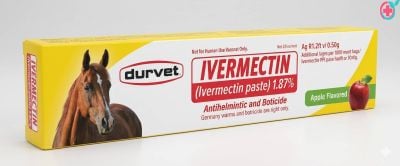
| Manufacturer | : | A. Menarini India Pvt Ltdine HCL) |
| Trade Name | : | Durvet |
| Generic Search | : | Ivermectin |
| Strength | : | 100ml |
Certified Content

Dr. Priya Nair
Clinical Pharmacist & Senior Drug Information Specialist | 9 years
Pharm.D. (Doctor of Pharmacy)
Latest Products