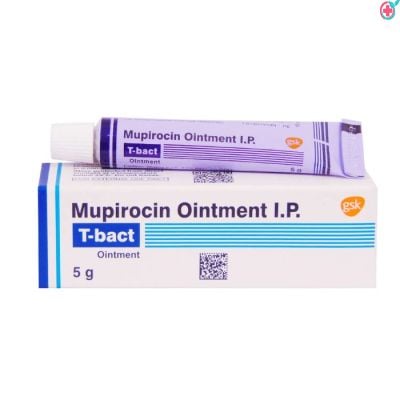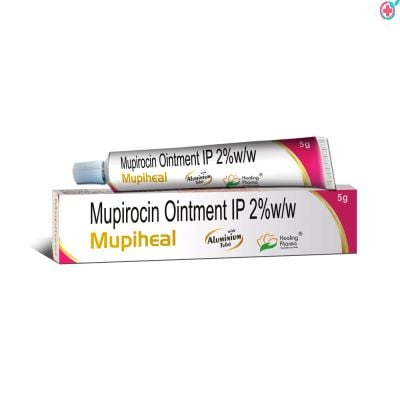
B-Bact Ointment (Mupirocin 2% Ointment) Used to Treat Some Skin Infections, Such as Impetigo, Recurring Boils, and Other
Buy Mupirocin Ointment, B-Bact Ointment (Mupirocin 2%) is used to treat bacterial skin infections such as impetigo, infected cuts, wounds, and boils. It stops the growth of infection-causing bacteria on the skin, and helps promote faster healing and reducing redness, swelling, and pus formation. It is commonly prescribed for localized skin infections under medical supervision.


Product Overview
Mupirocin (Topical), commonly known by its brand name Bactroban and other trade names like B-Bact, is an antibiotic ointment prescribed for the treatment of certain skin infections, including impetigo, infected cuts, wounds, and boils. B-Bact Ointment is a highly effective topical antibacterial medication containing Mupirocin 2%. It is specifically designed to treat various bacterial skin infections by eliminating the pathogens responsible for the condition. As a potent protein synthesis inhibitor, Mupirocin is uniquely effective against a wide range of bacteria, including Staphylococcus aureus and Streptococcus pyogenes, which are the primary causes of most superficial skin ailments.
This antimicrobial ointment is a vital tool in dermatological care, particularly for treating impetigo and preventing infections in minor cuts, wounds, or abrasions. B-Bact is recognized for its ability to target "MRSA" (methicillin-resistant Staphylococcus aureus) in localized areas, making it a critical first-aid intervention for maintaining skin health and preventing the spread of contagious skin infections.
Product Composition
The formulation of B-Bact ensures maximum stability and effective delivery of the active antibiotic to the site of infection.
- Active Ingredient: Mupirocin 2.0% w/w.
- Base Type: Water-miscible polyethylene glycol (PEG) base for optimal skin contact.
- Inactive Ingredients: Includes Polyethylene Glycol 400 and Polyethylene Glycol 3350 to ensure a smooth ointment texture and ease of application.
- Formulation Strategy: The base is designed to keep the active antibiotic in contact with the wound for an extended period, promoting faster healing.
Product Specification
| Feature | Details |
| Brand Name | B-Bact Ointment |
| Generic Name | Mupirocin Ointment USP |
| ConcentrationConcentration | 2% w/w |
| Therapeutic Class | Topical Antibiotic |
| Packaging | 5g collapsible tubes |
| Primary Indication | Impetigo and Folliculitis |
Mechanism of Action
B-Bact Ointment works through a unique biochemical pathway that prevents bacteria from multiplying:
- Isoleucyl-tRNA Synthetase Inhibition: Mupirocin specifically binds to this enzyme within the bacteria, which is essential for building proteins.
- Protein Synthesis Arrest: By blocking this enzyme, the medication stops the bacteria from producing the proteins they need to grow, leading to bacterial cell death.
- Selective Toxicity: Because the mechanism is different from other antibiotics, there is little cross-resistance, making it effective against resistant bacterial strains.
- Bacteriostatic and Bactericidal: At the 2% concentration, it acts to stop growth (bacteriostatic) and, at higher concentrations achieved at the application site, it actively kills the bacteria (bactericidal).
Key Benefits
- Targeted Infection Control: Directly eliminates bacteria at the source of the skin infection, leading to rapid relief from pain and swelling.
- Effective Against MRSA: Provides a powerful defense against methicillin-resistant bacteria, which are often difficult to treat with oral antibiotics.
- Non-Greasy Formula: The water-soluble base ensures that the ointment is easy to apply and does not leave a heavy, oily residue on the skin.
- Reduces Scarring Risk: By clearing infections quickly, it prevents deep tissue damage and reduces the likelihood of permanent skin scarring.
- High Safety Profile: Because it is applied topically, very little medication enters the bloodstream, minimizing the risk of systemic side effects.
Usage
To effectively clear a bacterial skin infection, B-Bact Ointment must be applied consistently for the full duration of the prescribed course. Proper application ensures the Mupirocin remains in contact with the pathogens long enough to eliminate them.
Dosage and Administration
The standard application schedule for B-Bact 2% is usually repeated for 7 to 10 days, depending on the severity of the infection.
| Condition | Application Frequency | Duration of Treatment |
| Impetigo | 3 times daily | 7 to 10 days |
| Folliculitis | 2 to 3 times daily | 5 to 7 days |
| Infected Minor Wounds | 3 times daily | Until healed |
Step-by-Step Application Guide:
Clean the Area: Wash the affected skin area with mild soap and water, then pat dry thoroughly. For impetigo, gently remove any crusting with a warm, damp cloth before applying the ointment.
Apply a Small Amount: Use a cotton swab or a clean fingertip to apply a small amount of B-Bact to the area. Use just enough to cover the lesion in a thin film.
Optional Bandaging: The treated area may be covered with a sterile gauze dressing if needed to protect the wound or prevent the bacterial infection from spreading to others.
Hand Hygiene: Wash your hands immediately after application, unless your hands are the area being treated.
Complete the Course: Even if the skin looks healthy after a few days, continue using the ointment for the full length of time prescribed to prevent antibiotic resistance.
Storage and Handling
Temperature: Store the tube at room temperature, ideally below 25°C.
Do Not Freeze: Ensure the ointment is kept away from extreme cold, as freezing can ruin the PEG base.
Cap Security: Keep the cap tightly closed when not in use to prevent contamination of the antibacterial formula.
Uses
B-Bact (Mupirocin) is a specialized topical antibiotic used primarily for primary and secondary skin infections caused by susceptible bacteria.
Primary Indications
Impetigo: The most common use for B-Bact is treating this highly contagious skin infection characterized by "honey-colored" crusts, especially in children.
Folliculitis: Effectively clears infections of the hair follicles that appear as small, red, itchy bumps.
Ecthyma: Used for deeper skin infections that may result in small, shallow ulcers or "punched-out" sores.
Infected Dermatitis: Treats secondary bacterial infections that develop on top of pre-existing skin conditions like eczema or psoriasis.
Secondary and Prophylactic Uses
Wound Protection: Applied to minor lacerations, stitches, or burns to prevent the development of a bacterial infection during the healing process.
MRSA Decolonization: In certain clinical settings, it is used to eliminate methicillin-resistant Staphylococcus aureus from the skin to prevent the spread of the "superbug."
Nasal Colonization: While there is a specific nasal formulation, the ointment is sometimes used off-label to clear bacteria from the nostrils of patients or healthcare workers.
Sycosis Barbae: Treats chronic bacterial infection of the bearded area in men, reducing inflammation and pustule formation.
Side Effects
Common Side Effects
- Burning or stinging sensation at the application site
- Itching or mild irritation
- Redness of the skin
- Dryness
- Tingling sensation
Serious Side Effects
- Severe allergic reaction such as rash, swelling, or itching
- Intense skin irritation or pain
- Blistering or peeling of skin
- Signs of worsening infection (increased redness, pus, swelling)
Long-Term or Rare Side Effects
| Side Effect | Description |
|---|---|
| Skin sensitization | Increased sensitivity with prolonged use |
| Contact dermatitis | Allergic skin reaction after repeated application |
| Secondary infection | Overgrowth of non-susceptible organisms with long use |
| Severe irritation | Persistent redness or discomfort requiring discontinuation |
| Resistance development | Reduced effectiveness if used excessively |
Monitoring Tips
- Observe the treated area for worsening redness or swelling
- Stop use and consult a doctor if irritation becomes severe
- Monitor for signs of allergic reaction such as rash or itching
- Ensure infection is improving within a few days of use
- Avoid prolonged or unnecessary use to prevent resistance
FAQs
Q: What is B-Bact Ointment used for?
A: B-Bact Ointment (Mupirocin 2%) is used to treat bacterial skin infections such as impetigo, infected cuts, wounds, and boils by stopping the growth of bacteria.
Q: How should I apply B-Bact Ointment?
A: Clean and dry the affected area, then apply a thin layer of the ointment 2 to 3 times daily or as prescribed by your doctor. Wash hands before and after application.
Q: How long does B-Bact Ointment take to work?
A: Improvement is usually seen within a few days, but it is important to complete the full course of treatment for best results.
Q: Can I use B-Bact Ointment on open wounds?
A: It can be used on minor cuts and wounds, but should not be applied on deep or large open wounds unless advised by a doctor.
Q: Is B-Bact Ointment safe for children?
A: Yes, it is generally safe for children when used under medical supervision and as prescribed.
Q: Can I stop using the ointment once symptoms improve?
A: No, you should complete the full course even if symptoms improve to prevent recurrence or resistance.
Q: Does B-Bact Ointment treat fungal infections?
A: No, it is an antibiotic and works only against bacterial infections, not fungal or viral infections.
Q: Can I use cosmetics over B-Bact Ointment?
A: It is best to avoid applying cosmetics on the treated area to prevent irritation and ensure proper absorption of the medicine.
| Manufacturer | : | Glaxo SmithKline Pharmaceuticals Ltd |
| Trade Name | : | Bactroban |
| Generic Search | : | Mupirocin |
| Strength | : | 0.02 (5gm) |
Certified Content

Dr. Priya Nair
Clinical Pharmacist & Senior Drug Information Specialist | 9 years
Pharm.D. (Doctor of Pharmacy)
Latest Products