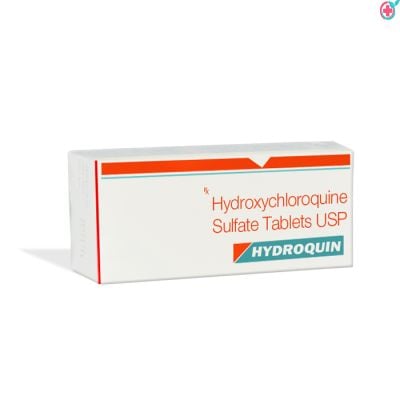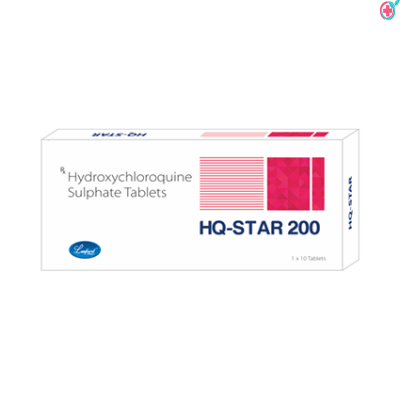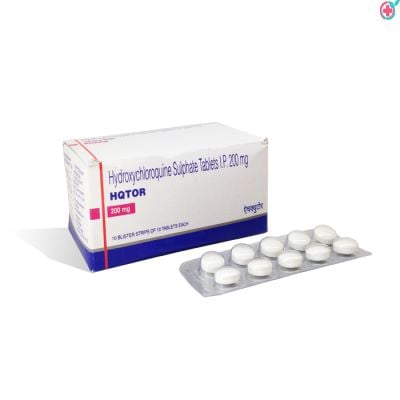
ZY-Q Tablet (Hydroxychloroquine) | Plaquenil Alternative | Used to Treat Arthritis, Autoimmune Disorder, Blood disorder, Prevent Malaria, etc.
ZY-Q Tablet contains Hydroxychloroquine, an antimalarial and immunomodulatory medicine used to treat and manage malaria, rheumatoid arthritis, and lupus. It is used to treat or prevent malaria (a parasitic disease spread through the bite of an infected mosquito). It helps reduce inflammation, control immune response, and relieve symptoms of autoimmune conditions when used as prescribed.


Product Overview
ZY-Q Tablet is a versatile therapeutic agent primarily used for its potent anti-inflammatory and immunomodulatory properties like treating rheumatoid arthritis and systemic lupus erythematosus (SLE), as well as to prevent and treat malaria. Containing Hydroxychloroquine, it belongs to the class of medications known as Disease-Modifying Anti-Rheumatic Drugs (DMARDs). It is widely prescribed to manage chronic autoimmune conditions by stabilizing the immune system and reducing the body's inflammatory response. Beyond its role in rheumatology, it remains a vital treatment for the prevention and clinical management of certain types of malaria.
Product Composition
- Contains the active ingredient Hydroxychloroquine Sulfate
- Classified as an aminoquinoline derivative
- Available in film-coated tablet form for oral consumption
- Formulated with pharmaceutical-grade excipients to ensure consistent drug release
Product Specification
| Feature | Details |
| Product Name | ZY-Q |
| Generic Name | Hydroxychloroquine Sulfate |
| Dosage Form | Film-Coated Tablet |
| Therapeutic Class | DMARD / Antimalarial |
| Primary Action | Immunomodulation and Anti-inflammation |
Mechanism of Action
The exact mechanism of ZY-Q in autoimmune diseases is complex and multifaceted. It is believed to accumulate in the lysosomes of immune cells, increasing their pH and interfering with the processing of antigens. This action inhibits the activation of specific immune pathways and the release of pro-inflammatory cytokines. In the case of malaria, the medication interferes with the parasite's ability to break down hemoglobin in red blood cells, leading to a toxic buildup of heme that effectively kills the parasite.
Key Benefits
- Reduces joint pain, stiffness, and swelling in patients with rheumatoid arthritis.
- Helps control skin rashes and systemic inflammation in systemic lupus erythematosus (SLE).
- Provides a protective effect against the recurrence of autoimmune flare-ups.
- Acts as a reliable prophylactic and curative treatment for sensitive strains of malaria.
- Generally well-tolerated for long-term management compared to other potent immunosuppressants.
- Supports improved physical function and quality of life for chronic patients.
Precautions
ZY-Q Tablet containing Hydroxychloroquine is a prescription medicine used for malaria and autoimmune conditions. It should be taken only under strict medical supervision due to its potential effects on the heart, eyes, and immune system.
Medical Conditions to Inform Your Doctor
| Medical Condition | Why Caution is Needed |
|---|---|
| Heart Disease or Arrhythmia | May increase risk of rhythm disturbances |
| Eye Disorders | Risk of retinal damage with long term use |
| Liver Disorders | Reduced drug metabolism may increase toxicity |
| Kidney Disorders | Slower elimination may require dose adjustment |
| G6PD Deficiency | Risk of hemolytic anemia |
| Psoriasis | May worsen skin condition |
Eye and Vision Monitoring
- Regular eye check-ups are important during long term use
- Report blurred vision, difficulty focusing, or vision changes immediately
- Risk of retinal damage increases with prolonged treatment
Heart and Safety Monitoring
- May affect heart rhythm in some patients
- Inform doctor about any existing cardiac conditions
- Avoid self-medication or dose changes
Additional Safety Advice
- Take medicine exactly as prescribed
- Avoid alcohol if advised by doctor
- Inform doctor about all ongoing medications to prevent interactions
- Use during pregnancy or breastfeeding only if clearly recommended
Following these precautions helps ensure safe use of Hydroxychloroquine and reduces the risk of serious complications.
Usage
Dosage
The dosage of ZY-Q is highly individualized based on the condition being treated and the patient's body weight. For autoimmune conditions like rheumatoid arthritis or lupus, a standard maintenance dose is often prescribed daily. For malaria prophylaxis, the medication is typically taken once a week starting two weeks before entering an endemic area. It is essential to follow the exact dosing schedule provided by a healthcare professional to ensure safety and efficacy.
Administration
| Aspect | Instruction |
| Method | Swallow the tablet whole with a full glass of water |
| Gastrointestinal Care | Take with a meal or milk to minimize stomach upset |
| Consistency | Take at the same time each day (or same day each week) |
| Duration | Continue the full course as directed by your doctor |
| Missed Dose | Take as soon as remembered, unless near the next dose time |
Storage and Handling
Store the tablets at room temperature, away from excessive heat, moisture, and direct sunlight. Keep the container tightly closed when not in use. As this medication can be toxic in high doses, it is critical to store it in a secure location out of the reach of children.
Uses
Rheumatoid Arthritis: Manages symptoms such as joint swelling, stiffness, and pain by reducing systemic inflammation.
Systemic Lupus Erythematosus (SLE): Treats chronic symptoms of lupus, including skin rashes, light sensitivity, and joint inflammation.
Malaria Prophylaxis: Prevents infection in individuals traveling to areas where malaria is prevalent and the parasites are sensitive to the drug.
Acute Malaria Treatment: Acts as a curative treatment for uncomplicated malaria caused by susceptible strains of the parasite.
Autoimmune Flare Prevention: Helps maintain remission in chronic conditions, reducing the frequency of severe symptomatic episodes.
Discord Lupus Erythematosus: Specifically targets the localized skin lesions and discoid rashes associated with this form of lupus.
Side Effects
ZY-Q Tablet containing Hydroxychloroquine is generally well tolerated when used as prescribed. However, some patients may experience side effects, especially with long term use or higher doses. Regular monitoring helps reduce risks.
Common Side Effects
- Nausea or vomiting
- Loss of appetite
- Stomach discomfort or abdominal pain
- Headache
- Dizziness
Less Common Side Effects
- Skin rash or itching
- Changes in skin pigmentation
- Hair loss
- Mood changes or irritability
- Blurred vision
Serious Side Effects (Rare)
| Serious Side Effect | Description |
|---|---|
| Eye damage (retinopathy) | Vision changes, blurred vision, or difficulty focusing, especially with long term use |
| Heart rhythm problems | Irregular heartbeat, chest discomfort, or fainting due to QT prolongation |
| Severe allergic reaction | Swelling of face, lips, tongue, or difficulty breathing |
| Severe skin reactions | Widespread rash, blistering, or peeling of skin |
| Muscle weakness | Severe fatigue or muscle pain due to long term toxicity |
If any serious or persistent side effects occur, stop the medicine and seek medical attention immediately.
FAQs
Q: What is the primary use of ZY-Q?
A: ZY-Q is used to treat autoimmune diseases such as rheumatoid arthritis and systemic lupus erythematosus (SLE). It helps reduce inflammation, joint pain, and skin rashes. It is also used to prevent and treat malaria in regions where the parasites are sensitive to the medication.
Q: How long does it take for the medication to start working?
A: For chronic conditions like arthritis or lupus, it may take several weeks or even months to notice the full therapeutic benefits. It is important to continue taking the medication exactly as prescribed, even if you do not feel immediate improvement.
Q: Can ZY-Q be taken during pregnancy?
A: If you are pregnant, planning to become pregnant, or breastfeeding, you must consult your healthcare provider. While it is often continued for patients with lupus to prevent flare-ups, the decision is based on a careful assessment of risks and benefits by a medical professional.
Q: Are there any specific tests I need while taking this medication?
A: Long-term use of Hydroxychloroquine requires regular eye examinations, as it can occasionally affect the retina. Your doctor may also recommend periodic blood tests to monitor your liver function and blood cell counts.
Q: Can I stop taking ZY-Q once my joint pain goes away?
A: No, you should not stop the medication without consulting your doctor. Autoimmune conditions require consistent management, and stopping the treatment abruptly can lead to a return or worsening of symptoms.
Q: Does ZY-Q interact with other medications?
A: Yes, it can interact with several drugs, including certain heart medications (digoxin), diabetes treatments (insulin), and antacids. Always inform your doctor about all other supplements or medicines you are currently taking.
Q: Should I take this tablet with food?
A: It is highly recommended to take ZY-Q with a meal or a glass of milk. This helps to significantly reduce the potential for stomach upset or nausea.
Q: What should I do if I experience blurred vision?
A: If you notice any changes in your vision, such as blurring, light flashes, or difficulty reading, stop taking the medication and contact your ophthalmologist or primary physician immediately.
Interactions
ZY-Q Tablet containing Hydroxychloroquine may interact with several medicines, which can affect its safety or effectiveness. Inform your doctor about all prescription, over-the-counter medicines, and supplements before starting treatment.
Drug Interactions
| Drug Class | Examples | Possible Interaction Effect |
|---|---|---|
| Antiarrhythmic drugs | Amiodarone, Quinidine | Increased risk of abnormal heart rhythms (QT prolongation) |
| Antimalarials | Chloroquine | Increased toxicity and risk of side effects |
| Antacids | Aluminium or magnesium containing antacids | Reduced absorption of Hydroxychloroquine |
| Antibiotics | Azithromycin, Clarithromycin | Increased risk of heart rhythm disturbances |
| Antiepileptics | Phenytoin, Carbamazepine | Reduced effectiveness of Hydroxychloroquine |
| Diabetes medications | Insulin, Metformin | May enhance blood sugar lowering effect causing hypoglycemia |
| Immunosuppressants | Methotrexate, Cyclosporine | Increased risk of immune suppression and toxicity |
Heart and Rhythm Considerations
- Combination with drugs that affect heart rhythm may increase risk of QT prolongation
- Patients with heart conditions require close monitoring
Absorption and Digestive Interactions
- Antacids may reduce drug absorption if taken at the same time
- A time gap between doses may be recommended by the doctor
Use ZY-Q Tablet only under medical supervision and always inform your healthcare provider about all concurrent medications to avoid harmful interactions.
| Manufacturer | : | Zydus Cadila |
| Trade Name | : | Plaquenil |
| Generic Search | : | Hydroxychloroquine Sulfate |
| Strength | : | 200mg, 300mg, 400mg |
Certified Content

Dr. Priya Nair
Clinical Pharmacist & Senior Drug Information Specialist | 9 years
Pharm.D. (Doctor of Pharmacy)
Latest Products