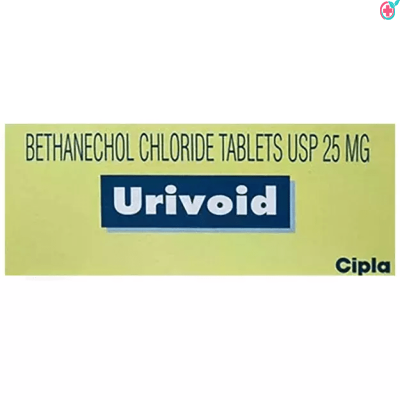
Urotone Tablet (Bethanechol) | Used for Urinary Retention Treatment Guide
Urotone Tablet (Bethanechol) is a medication used to treat urinary retention, a condition characterized by the inability to urinate. This condition often occurs after surgery or childbirth. Urotone Tablet works by stimulating the contraction of the muscles in the bladder, which helps facilitate the process of urination. It can effectively relieve the discomfort and difficulty associated with urinary retention.


Product Overview
Urotone Tablet is a potent cholinergic medication containing Bethanechol, specifically designed to treat disorders related to urinary retention and gastrointestinal atony. As a muscarinic agonist, it stimulates the parasympathetic nervous system to restore normal function to the bladder and digestive tract. It is a vital intervention for patients experiencing non-obstructive urinary retention, helping to initiate voluntary urination and ensure complete bladder emptying.
Product Composition
- Bethanechol Chloride: The active pharmacological agent, a synthetic ester that acts as a parasympathomimetic choline ester.
- Excipients: Formulated with pharmaceutical-grade binders and stabilizers to ensure optimal drug disintegration and absorption in the gastrointestinal tract.
Product Specification
| Feature | Specification Details |
| Therapeutic Class | Cholinergic Agonist / Urinary Tract Stimulant |
| Active Ingredient | Bethanechol Chloride |
| Dosage Form | Oral Tablet |
| Common Strengths | 25 mg / 50mg |
| Pharmacological Action | Selective Muscarinic Receptor Activation |
Mechanism of Action
- Detrusor Muscle Contraction: Urotone works by directly stimulating the muscarinic receptors in the bladder's detrusor muscle, causing it to contract and produce a urinary surge.
- Sphincter Relaxation: It simultaneously aids in the relaxation of the trigone and external sphincter muscles, reducing the resistance to urine flow.
- Gastrointestinal Stimulation: The medication increases gastric motility and raises lower esophageal sphincter pressure, enhancing the movement of contents through the digestive system.
- Selective Targeting: Unlike other cholinergics, Bethanechol has minimal effect on the heart rate or blood pressure at standard doses, focusing primarily on the genitourinary and digestive systems.
Key Benefits
- Effective Urinary Recovery: Highly successful in treating post-operative urinary retention and postpartum voiding difficulties without the need for catheterization.
- Neurogenic Bladder Support: Provides essential help for patients with atonic bladder caused by nerve damage or neurological conditions.
- Non-Invasive Solution: Offers a reliable oral therapy alternative to invasive procedures for patients with chronic bladder weakness.
- Digestive Harmony: Helps alleviate symptoms of gastric reflux and slow stomach emptying by improving the tone of the digestive tract.
- Rapid Therapeutic Response: Typically begins to work within 30 to 90 minutes of administration, providing predictable relief from urinary discomfort.
Precautions
Important Precautions Before Using Urotone Tablet (Bethanechol)
Urotone Tablet contains Bethanechol and is used to improve bladder emptying in urinary retention. It should be used carefully to avoid unwanted effects on the heart, lungs, and digestive system.
| Condition or Situation | Precaution |
|---|---|
| Asthma | Avoid or use with extreme caution as it may worsen breathing |
| Heart disease | Use carefully due to risk of slow heart rate or low blood pressure |
| Stomach ulcers | May increase acid and worsen symptoms |
| Intestinal blockage | Should not be used if bowel obstruction is present |
| Low blood pressure | May cause further drop in blood pressure |
| Epilepsy | Use with caution as it may increase nervous system effects |
| Pregnancy | Use only if clearly advised after evaluation |
Important Things to Remember
- Take exactly as directed for urinary retention
- Do not exceed recommended dose
- Inform about all medical conditions before starting
- Monitor for dizziness or breathing difficulty
- Avoid self adjustment of dose
- Report any severe stomach cramps or discomfort
Extra Care Required
Patients with asthma, heart problems, or gastrointestinal disorders should use Urotone Tablet under close monitoring due to increased risk of systemic side effects.
Usage
Urotone Tablet must be administered with careful attention to timing to ensure maximum efficacy and patient comfort. To prevent the possibility of nausea or vomiting, it is strictly recommended that the medication be taken on an empty stomach—typically 1 hour before or 2 hours after a meal. The dosage regimen is highly individualized, based on the specific type of bladder or gastric dysfunction being treated.
Standard Administration: The tablets are taken orally, usually three to four times a day as directed by a healthcare professional.
Initial Dose Assessment: Treatment often begins with a small test dose to determine the patient's sensitivity and the minimum effective amount required to stimulate the bladder.
Prompt Voiding: Patients should be prepared to use the bathroom shortly after administration, as the therapeutic effect on the bladder typically occurs within 30 to 90 minutes.
Hydration: Maintaining adequate fluid intake is encouraged to support healthy kidney and bladder function while on cholinergic therapy.
Safety Precaution: Due to its mechanism of action, this medication should not be used if a physical urinary or intestinal obstruction (like a stone or tumor) is present.
Uses
| Indication | Description of Application |
| Post-operative Retention | Treats the inability to urinate following surgery or the administration of general anesthesia. |
| Postpartum Retention | Assists mothers who experience temporary bladder atony after childbirth. |
| Neurogenic Bladder | Manages chronic urinary issues caused by nerve-related disorders where the bladder lacks tone. |
| Gastric Atony | Used to stimulate the stomach muscles when there is a delay in gastric emptying. |
| Reflux Esophagitis | Sometimes used to increase lower esophageal sphincter pressure to prevent acid reflux. |
Targeted Therapeutic Applications
Bladder Re-training: Helps in the rehabilitation of the detrusor muscle, encouraging the bladder to regain its natural contractile strength.
Avoidance of Catheterization: Serves as a primary pharmacological intervention to avoid the risks and discomfort associated with manual catheter insertion.
Diabetes-Related Cystopathy: Provides relief for diabetic patients suffering from autonomic neuropathy that affects their ability to sense a full bladder or void completely.
Drug-Induced Retention: Counteracts the side effects of certain medications (like older antidepressants or antipsychotics) that cause urinary hesitancy.
Complete Voiding Support: Reduces the amount of residual urine left in the bladder, which in turn helps lower the risk of recurrent urinary tract infections (UTIs).
FAQs
Q: What is Urotone Tablet?
A: Urotone Tablet contains Bethanechol, a cholinergic agent that stimulates the smooth muscles of the bladder and gastrointestinal tract. It is used to treat urinary retention and inadequate bladder emptying caused by various conditions.
Q: What is the product used for?
A: Urotone Tablet is used to treat urinary retention and incomplete bladder emptying caused by neurogenic bladder dysfunction, or following surgery, childbirth, or certain medications. It is also used in some cases to treat gastric retention and reflux esophagitis.
Q: How does it work?
A: Bethanechol stimulates the muscarinic receptors in the smooth muscle of the bladder and gastrointestinal tract, causing them to contract. This helps the bladder to expel urine and the stomach and intestines to move contents forward more effectively.
Q: How is it taken?
A: Urotone Tablet is taken orally on an empty stomach, usually 1 hour before or 2 hours after meals to avoid nausea and vomiting. The dose and frequency are determined by the doctor based on the condition being treated and the patient's response.
Q: How long is the course?
A: The duration of treatment depends on the underlying condition. For postoperative or postpartum urinary retention it may be used for a short period until normal bladder function is restored. For chronic conditions the doctor will determine the appropriate duration.
Q: Who should not use it?
A: Urotone should not be used in patients with asthma, peptic ulcer, bowel obstruction, urinary tract obstruction, overactive thyroid, low blood pressure, slow heart rate, Parkinson's disease, epilepsy, or coronary artery disease. It should also be avoided in patients with a known allergy to Bethanechol.
Q: What are the common side effects?
A: Common side effects include nausea, vomiting, stomach cramps, diarrhea, increased sweating, flushing, headache, dizziness, and increased urination. These effects are related to the cholinergic action of the medication and should be reported to the doctor if they are severe.
Q: Can it cause a drop in blood pressure?
A: Yes, Bethanechol can cause a drop in blood pressure, especially when standing up quickly. Patients should be cautious when changing positions and should inform their doctor if they experience dizziness or lightheadedness.
Q: Is it safe during pregnancy or breastfeeding?
A: The safety of Urotone Tablet during pregnancy and breastfeeding has not been fully established. It should only be used if the potential benefit outweighs the risk and strictly under medical supervision. Consult your doctor before use.
Q: Can it be used in children?
A: Urotone Tablet may be used in children but only under strict medical supervision with the correct dose determined by the doctor based on age and weight.
Q: Can it interact with other medicines?
A: Yes, Bethanechol may interact with other cholinergic drugs, anticholinergic medications, ganglionic blockers, and certain blood pressure medications. Always inform your doctor about all medicines and supplements you are currently taking before starting treatment.
Interactions
Drug Interactions of Urotone Tablet (Bethanechol)
Urotone Tablet contains Bethanechol. It may interact with several medicines and increase side effects related to the heart, lungs, and digestive system.
| Medicine or Substance | Possible Interaction |
|---|---|
| Anticholinergic medicines | May reduce the effect of Bethanechol |
| Beta blockers | May increase risk of low heart rate |
| Diuretics | Can increase risk of low blood pressure |
| Antipsychotic medicines | May increase nervous system related side effects |
| Asthma medicines (bronchodilators) | May reduce effectiveness of Bethanechol |
| Other cholinergic drugs | May increase risk of excessive side effects |
Important Things to Keep in Mind
- Inform about all medicines before starting treatment
- Avoid combining with anticholinergic drugs unless advised
- Monitor for dizziness, slow heart rate, or breathing issues
- Do not adjust dose without proper guidance
- Be cautious when starting new medications during therapy
Health Related Interactions
Patients with asthma, heart disease, or gastrointestinal disorders may experience stronger effects or complications. Careful monitoring is recommended during treatment with Urotone Tablet.
| Manufacturer | : | Samarth Pharma, India |
| Trade Name | : | Duvoid |
| Generic Search | : | Bethanechol |
| Strength | : | 25mg, 50mg |
Certified Content

Dr. Priya Nair
Clinical Pharmacist & Senior Drug Information Specialist | 9 years
Pharm.D. (Doctor of Pharmacy)
Latest Products