Sucragest Tablet (Sucralfate) | Used for Acidity, Gastritis and Ulcer Care
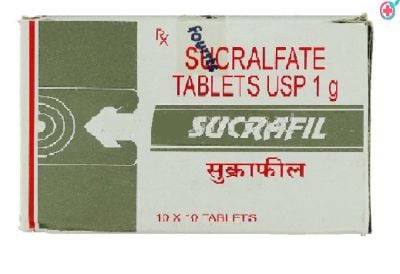
Sucragest Tablet is a prescription medication containing Sucralfate, a gastrointestinal protectant. It is primarily used to treat and prevent duodenal ulcers by forming a protective barrier over the ulcer site, shielding it from stomach acid and aiding in the healing process. Sucragest is suitable for adults and is available in 1g tablet form.


Product Overview
Sucragest Tablet contains Sucralfate, a gastroprotective medicine used to treat stomach and intestinal ulcers. Unlike antacids that neutralize stomach acid or PPIs that suppress acid production, Sucralfate physically coats the lining of the stomach and duodenum. This creates a protective barrier over ulcers, erosions, and inflamed tissue, shielding them from the damaging effects of stomach acid, pepsin, and bile salts, which allows the body’s natural healing processes to occur.
Product Composition
- Active Ingredient: Sucralfate (typically 1g per tablet).
- Drug Class: Gastrointestinal cytoprotective agent.
- Formulation: Oral tablets.
- Excipients: Microcrystalline cellulose, Povidone, Magnesium stearate, and Croscarmellose sodium.
Product Specification
| Feature | Details |
| Therapeutic Class | Anti-ulcer / Cytoprotective Agent |
| Primary Indication | Duodenal and gastric ulcers |
| Secondary Indication | GERD and stomatitis (mouth sores) |
| Administration | Oral (Empty stomach) |
| Bioavailability | Systemically negligible (<5%) |
| Storage | Store at 20°C to 25°C (68°F to 77°F) |
Mechanism of Action
- Polymerization: In the acidic environment of the stomach (pH < 4.0), Sucralfate undergoes a chemical reaction to form a viscous, sticky paste.
- Adhesion: This paste adheres selectively to proteins on the surface of ulcerated or eroded mucosa, forming a stable, protective physical barrier.
- Neutralization/Inhibition: The physical layer protects the damaged site from direct contact with aggressive gastric acid, pepsin (an enzyme that degrades protein), and bile salts.
- Promotion of Healing: By preventing further damage, it facilitates the natural regeneration of the mucosal lining and can stimulate the release of prostaglandins which aid in healing.
Key Benefits
- Local Action: Because it works primarily locally at the site of the ulcer rather than throughout the entire body, it has a very low risk of systemic side effects.
- Versatility: Effective for both active duodenal ulcers and as maintenance therapy to prevent the recurrence of ulcers.
- Non-Hormonal/Non-Suppressant: Ideal for patients who cannot tolerate or prefer not to use acid-suppressing medications like PPIs or H2-blockers.
- Symptom Relief: Provides rapid relief from pain associated with peptic ulcers and reflux esophagitis by covering exposed nerve endings.
- Safe Profile: Well-tolerated for short-term use and often considered safer during pregnancy compared to some other gastrointestinal medications.
- Protective Barrier: Specifically targets and covers damaged areas, rather than just changing the environment of the stomach.
Precautions
Important precautions for Sucragest Tablet (Sucralfate)
Gastrointestinal precautions
- Take on an empty stomach for better effectiveness
- Do not take immediately with food unless advised
- May cause constipation in some individuals
- Maintain adequate fluid intake during treatment
Kidney related precautions
- Use with caution in patients with kidney impairment
- Risk of aluminum accumulation in severe renal disease
- Long term use requires monitoring in kidney patients
- Consult doctor before use in chronic kidney conditions
Drug absorption precautions
- May reduce absorption of other oral medicines
- Maintain a time gap between Sucragest and other medications
- Avoid taking antacids immediately before or after dose
- Follow proper dosing schedule for best results
General usage precautions
- Use regularly as prescribed for ulcer healing
- Do not skip doses or stop early
- Avoid alcohol and smoking to improve healing
- Follow dietary recommendations for ulcer care
Special population precautions
- Use in pregnancy or breastfeeding only if advised
- Elderly patients may require monitoring
- Not recommended for self medication in severe symptoms
- Seek medical advice for prolonged stomach pain
Safety overview table
| Area of caution | Precaution guidance |
|---|---|
| Administration timing | Take on empty stomach for best effect |
| Kidney function | Use cautiously in renal impairment |
| Drug absorption | Maintain gap with other medicines |
| Lifestyle factors | Avoid alcohol and smoking |
Usage
Dosage
Dosage is based on the specific condition being treated. Because the drug acts locally, adhering to the recommended timing is critical for its efficacy.
| Indication | Typical Dosage | Administration Frequency |
| Active Duodenal Ulcer | 1 g (one tablet) | 4 times daily |
| Maintenance (Prevention) | 1 g (one tablet) | Twice daily |
| GERD / Gastritis | 1 g (one tablet) | 2–4 times daily |
Administration
Empty Stomach: Take this medication on an empty stomach—ideally 1 hour before or 2 hours after meals—and at bedtime. This ensures the medication is available to form the protective barrier before food enters the stomach.
Separation from Other Drugs: Because Sucralfate can bind to other substances and prevent their absorption, you must take other medications at least 2 hours before or after your dose of Sucragest.
Hydration: To help prevent constipation—a common side effect—ensure you maintain adequate fluid intake throughout the day.
Swallowing/Dispersion: Swallow the tablet whole with a full glass of water. If you have significant difficulty swallowing, consult your pharmacist about dispersing the tablet in a small amount of water to create a slurry.
Consistency: Complete the full course of treatment as prescribed, even if symptoms subside, to ensure the tissue has fully healed.
Missed Dose: If you miss a dose, take it as soon as you remember. If it is nearly time for your next scheduled dose, skip the missed one. Do not take extra to compensate.
Uses
Duodenal Ulcer Treatment: Provides a protective coating to active ulcers, allowing the mucosal lining to repair itself away from stomach acid.
Gastric Ulcer Healing: Protects stomach erosions from pepsin and bile, accelerating the healing process in the stomach wall.
Gastroesophageal Reflux Disease (GERD): Acts as a barrier against acid reflux, helping to soothe and protect the inflamed lining of the esophagus.
Stress Ulcer Prophylaxis: Often used in hospital settings for patients at risk of developing ulcers due to severe physiological stress or trauma.
Stomatitis/Mucositis: In some cases, a slurry made from the tablet is used to coat the mouth and throat to relieve pain from sores caused by chemotherapy or radiation.
NSAID-Induced Gastritis: Helps protect the stomach lining when patients must take Non-Steroidal Anti-Inflammatory Drugs that can cause stomach irritation.
Side effects
Common side effects
- Constipation
- Dry mouth
- Nausea or mild stomach discomfort
- Indigestion or bloating
Gastrointestinal effects
- Hard stools or difficulty in bowel movement
- Abdominal fullness or gas
- Mild stomach cramps
- Reduced appetite in some cases
Less common side effects
- Dizziness or headache
- Skin rash or itching
- Sleep disturbances
- Mild nausea
Kidney related effects (rare)
- Aluminum accumulation in patients with kidney impairment
- Fluid imbalance in long-term use
- Increased risk of toxicity in severe renal disease
Serious side effects (rare)
- Severe allergic reactions such as swelling or breathing difficulty
- Persistent constipation leading to complications
- Confusion in patients with kidney dysfunction
- Severe abdominal pain requiring medical attention
Side effects summary table
| System affected | Possible reaction |
|---|---|
| Gastrointestinal | Constipation, bloating, nausea |
| Nervous system | Dizziness, headache |
| Skin | Rash, itching |
| Renal | Aluminum accumulation risk in kidney disease |
| General | Dry mouth, mild discomfort |
FAQs
Q: What is the product used for?
A: Sucragest is used to treat and prevent the recurrence of duodenal and gastric ulcers. It acts as a protective barrier, covering the damaged area of the stomach lining so it can heal.
Q: How should I take Sucragest?
A: For maximum effectiveness, take the tablet on an empty stomach, at least one hour before or two hours after a meal. Swallow the tablet whole with a full glass of water.
Q: Can I crush or chew the tablet?
A: Yes, if your doctor or pharmacist approves it, the tablet can be dispersed in a small amount of water to make a slurry (paste) if you have difficulty swallowing it whole.
Q: Does it interact with other medicines?
A: Yes. Sucralfate can significantly decrease the absorption of other medications (such as certain antibiotics, thyroid medications, and blood thinners). Always take other essential medications at least 2 hours before or after your dose of Sucragest.
Q: What are the common side effects?
A: The most common side effect is constipation. Other less common effects include dry mouth, nausea, or headache. Increasing your fiber and fluid intake can help manage constipation.
Q: How long do I need to take it?
A: Treatment typically lasts for 4 to 8 weeks to allow the ulcer to heal completely. Do not stop taking it early just because you feel better, as the underlying erosion may still need protection.
Q: Is it safe for long-term use?
A: While it is generally safe, it is usually prescribed for short-term healing. If you require long-term protection against ulcers, your doctor will determine the appropriate duration and frequency of use.
Interactions
Drug interactions of Sucragest Tablet (Sucralfate)
Medicine absorption interactions
- May reduce absorption of antibiotics like fluoroquinolones and tetracyclines
- Can interfere with thyroid medicines such as levothyroxine
- May decrease effectiveness of digoxin if taken together
- Iron supplements absorption may be reduced
Acidity and gastrointestinal medicine interactions
- Antacids may reduce effectiveness if taken at the same time
- H2 blockers and proton pump inhibitors may require spacing for optimal effect
- Other ulcer medicines should be timed properly to avoid interference
General drug interactions
- Warfarin effect may be altered due to reduced absorption in some cases
- Certain antifungal medicines may have reduced absorption
- Multiple oral medications should be spaced apart
Kidney related considerations
- Aluminum accumulation risk increases in kidney impairment
- Caution with long-term use in renal patients
- Monitoring may be required in chronic kidney disease
Usage guidance for interactions
- Maintain a 1–2 hour gap between Sucragest and other oral medicines
- Take on empty stomach for best ulcer protection effect
- Inform doctor about all ongoing medications
Drug interactions table
| Drug class | Interaction effect |
|---|---|
| Antibiotics (tetracyclines, fluoroquinolones) | Reduced absorption and effectiveness |
| Thyroid medicines | Decreased absorption of levothyroxine |
| Antacids | Reduced efficacy if taken together |
| Iron supplements | Reduced absorption |
| Digoxin | Possible reduced absorption |
| Manufacturer | : | A. Menarini India Pvt Ltdine HCL) |
| Trade Name | : | Carafate |
| Generic Search | : | Sucralfate |
| Strength | : | 1000 mg |
Certified Content

Dr. Priya Nair
Clinical Pharmacist & Senior Drug Information Specialist | 9 years
Pharm.D. (Doctor of Pharmacy)
Latest Products