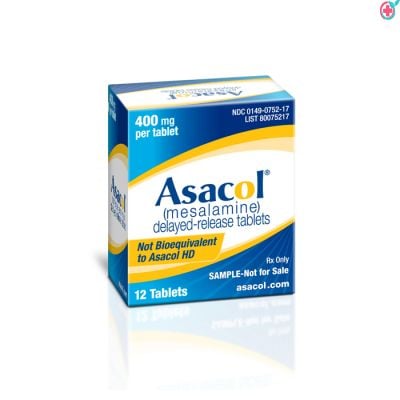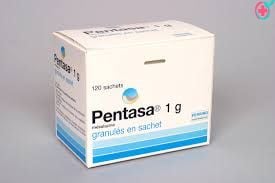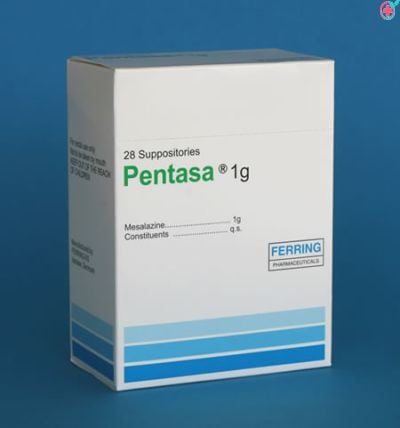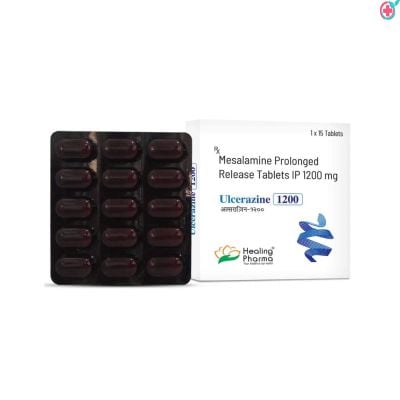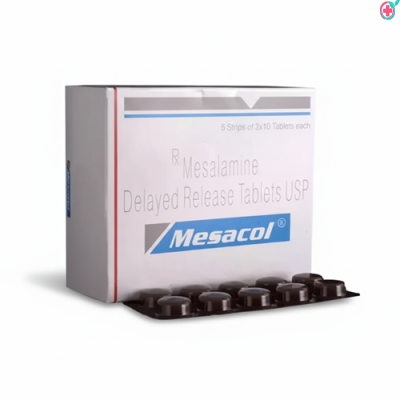
Pentasa Tablets 500mg (Mesalamine) | Used to Treat Ulcerative Colitis Flare-Ups, Proctitis, and Proctosigmoiditis
Pentasa Tablet contains Mesalamine, an anti-inflammatory medicine used to treat and manage ulcerative colitis and other inflammatory bowel diseases (IBD). It works by reducing inflammation in the colon and rectum, helping to relieve symptoms such as abdominal pain, diarrhea, and rectal bleeding.


Pentasa Tablet Product Overview
Pentasa is a premium aminosalicylate (5-ASA) medication containing Mesalamine, a potent anti-inflammatory specifically formulated for the gastrointestinal tract. It is a cornerstone therapy for managing Inflammatory Bowel Disease (IBD), including Ulcerative Colitis and Crohn’s Disease. Pentasa is unique for its prolonged-release mechanism, which ensures that the active medicine is distributed evenly throughout the small and large intestines. By reducing inflammation directly at the source, Pentasa helps patients achieve and maintain clinical remission, significantly improving their quality of life.
Product Composition
- Active Ingredient: Mesalamine (5-Aminosalicylic Acid) (available in 500 mg).
- Pharmacological Class: Aminosalicylate (5-ASA).
- Formulation: Prolonged-release microgranules for continuous delivery.
- Mechanism Target: Localized inflammatory mediators in the intestinal mucosa.
Product Specifications
| Feature | Details |
| Generic Name | Mesalamine Prolonged-Release Tablets |
| Common Strength | 500 mg |
| Therapeutic Category | Gastrointestinal Anti-inflammatory |
| Dosage Form | Oral Tablet |
| Primary Indication | Ulcerative Colitis and Crohn's Disease |
Mechanism of Action: How the Tablet Works
The clinical efficacy of Pentasa is derived from its localized and sustained anti-inflammatory action:
- Direct Mucosal Action: Unlike many systemic drugs, Mesalamine works topically on the lining of the gut to inhibit the production of inflammatory chemicals like prostaglandins and leukotrienes.
- Prolonged Release: Pentasa tablets consist of ethylcellulose-coated microgranules that release the medicine slowly. This allows the drug to reach the entire length of the intestine, from the duodenum to the rectum.
- Antioxidant Properties: It acts as a free radical scavenger, neutralizing reactive oxygen species that contribute to tissue damage during an IBD flare.
- Leukotriene Inhibition: By blocking the lipoxygenase pathway, it prevents the migration of white blood cells into the intestinal wall, reducing tissue swelling and ulceration.
- Remission Maintenance: Continuous use helps stabilize the gut lining, preventing the immune system from re-triggering the inflammatory cycle.
Key Benefits of Pentasa
- Targeted Gut Relief: Provides powerful anti-inflammatory action exactly where it is needed, with minimal absorption into the rest of the body.
- Dual IBD Coverage: One of the few aminosalicylates effective for both Ulcerative Colitis and Crohn’s Disease due to its wide distribution in the gut.
- Reduces Flare-Ups: Clinically proven to reduce the frequency of painful episodes, bloody stools, and urgent bowel movements.
- High Safety Profile: Generally well-tolerated for long-term use, making it a preferred choice for maintenance therapy.
- Improved Digestive Comfort: Helps resolve abdominal pain and cramping by healing the underlying intestinal inflammation.
- Sustained Delivery: The advanced granule technology ensures the medicine remains active throughout the digestive journey.
Pentasa Tablet Precautions
General Safety Guidelines
- Take Pentasa Tablet only as prescribed by your healthcare provider for effective ulcerative colitis or IBD management
- Complete the full course of therapy to maintain remission and prevent flare-ups
- Do not crush, chew, or break extended-release tablets unless advised
Allergy and Sensitivity
- Avoid use if allergic to Mesalamine, Salicylates, or other ingredients in Pentasa
- Report any signs of allergy, such as rash, itching, or swelling, immediately to your doctor
Use in Special Populations
| Population | Precautions |
|---|---|
| Pregnancy | Generally considered safe if prescribed; consult your doctor before use |
| Breastfeeding | Use only under medical supervision; small amounts may pass into breast milk |
| Elderly Patients | May require monitoring for kidney function and overall tolerance |
| Children | Use only if prescribed with appropriate pediatric dosing |
Kidney and Liver Considerations
- Patients with kidney or liver disorders should inform their doctor
- Periodic monitoring of kidney and liver function may be recommended during treatment
- Inform your healthcare provider if you experience unusual fatigue, swelling, or changes in urination
Gastrointestinal Considerations
- May cause mild stomach upset, nausea, or diarrhea
- Take with food if stomach irritation occurs
- Report persistent abdominal pain or rectal bleeding to your doctor
Drug and Lifestyle Considerations
- Inform your doctor of all other medications, including NSAIDs, anticoagulants, and other IBD drugs
- Avoid unnecessary use of NSAIDs to reduce gastrointestinal irritation
- Maintain proper hydration and a balanced diet for optimal therapy
Administration and Storage Guidelines
- Swallow tablets whole; do not split extended-release forms unless advised
- Store in a cool, dry place away from direct sunlight
- Keep out of reach of children
- Do not use expired medication
Pentasa Tablet Usage
To ensure the maximum clinical benefit of Pentasa Prolonged-Release Tablets and to maintain long-term digestive health, follow these administration guidelines:
Consistent Dosing: Take your Mesalamine tablets at the same time every day. Maintaining a steady level of the medication in your intestinal tract is essential for preventing inflammatory flares.
Administration Method: Swallow the tablets whole with a full glass of water. Do not crush or chew the tablets, as this destroys the specialized ethylcellulose coating on the microgranules, which is required for the medicine to reach the lower intestines.
Flexible Dosing: If you have difficulty swallowing, the tablets may be broken into smaller pieces or dissolved in a small amount of water or juice (approximately 50 ml) just before ingestion. Ensure you drink the entire mixture immediately.
Optimal Timing: Pentasa can be taken with or without food. However, taking it with a meal may help reduce the chance of mild stomach upset for some patients.
Hydration: It is important to stay well-hydrated while taking Pentasa 500 mg. Adequate water intake supports kidney function and assists the movement of the microgranules through the digestive system.
Treatment Continuity: Do not stop taking your medication even if you feel completely better. Pentasa is often prescribed as a maintenance therapy to keep the disease in remission and prevent future symptoms.
Missed Dose: If you forget a dose, take it as soon as you remember. If it is almost time for your next scheduled dose, skip the missed one. Never take a double dose to compensate.
Pentasa Tablet Uses
Pentasa (Mesalamine) is a specialized gastrointestinal anti-inflammatory indicated for the management of chronic bowel conditions:
Ulcerative Colitis (UC): Primarily indicated for the treatment of active, mild-to-moderate ulcerative colitis, helping to heal ulcers and reduce rectal bleeding.
Crohn’s Disease: Utilized to manage inflammation in Crohn’s disease, particularly when the condition affects both the small and large intestines.
Induction of Remission: Used during an active flare-up to rapidly reduce intestinal swelling and return the patient to a symptom-free state.
Maintenance of Remission: Indicated for long-term use to prevent the recurrence of IBD symptoms and maintain a healthy, stable gut lining.
Proctitis and Proctosigmoiditis: Effectively treats inflammation located in the lower sections of the colon and rectum.
Reduction of Bowel Urgency: Helps decrease the frequent and urgent need for bowel movements associated with inflammatory bowel disease.
Localized Anti-inflammatory Action: Provides targeted relief for abdominal pain, cramping, and systemic inflammation specifically within the digestive tract.
Post-Surgical Care: Sometimes used following intestinal surgery to prevent the recurrence of inflammation in the newly joined sections of the bowel.
Pentasa Tablet Side Effects
Common Side Effects
These are usually mild and may resolve as your body adjusts to Pentasa Tablet:
- Nausea or mild stomach upset
- Diarrhea or loose stools
- Abdominal pain or cramps
- Headache
- Flatulence
Less Common Side Effects
Some patients may experience:
- Dizziness or fatigue
- Rash or itching
- Fever or malaise
- Mild liver enzyme changes
Serious Side Effects
Seek immediate medical attention if any of the following occur:
| Serious Effect | Symptoms |
|---|---|
| Severe Allergic Reaction | Rash, itching, swelling of face or lips, difficulty breathing |
| Kidney Dysfunction | Reduced urine output, swelling, fatigue, confusion |
| Severe Diarrhea or Bloody Stools | Persistent diarrhea with blood or mucus, abdominal cramps |
| Liver Dysfunction | Yellowing of skin or eyes, dark urine, severe fatigue |
Long-Term Use Considerations
- Regular monitoring of kidney and liver function may be necessary
- Report any persistent gastrointestinal or systemic symptoms
- Complete the full course of therapy to maintain remission and reduce flare-ups
What to Do If Side Effects Occur
- Mild side effects may resolve without intervention
- Persistent or severe symptoms should be reported to a healthcare professional immediately
- Do not stop or change your prescribed dosage without medical advice
Pentasa Tablet FAQs
Q: What is the primary function of Pentasa Tablets?
A: Pentasa is a specialized aminosalicylate (5-ASA) medication used to treat inflammatory bowel diseases (IBD). It contains Mesalamine, which works locally in the gut to reduce inflammation, swelling, and tissue damage in the intestinal lining.
Q: How does the "prolonged-release" feature of Pentasa work?
A: Pentasa tablets are formulated with coated microgranules that release the medicine slowly as they travel through the digestive tract. This ensures the medication reaches and treats inflammation in both the small intestine and the large intestine (colon).
Q: Can Pentasa cure Ulcerative Colitis or Crohn’s Disease?
A: While there is currently no permanent cure for IBD, Pentasa is highly effective at inducing and maintaining remission. Regular use helps keep the disease inactive, prevents painful "flares," and allows the intestinal lining to heal.
Q: What is the standard dosage for Pentasa 500 mg?
A: Dosage varies based on whether you are treating an active flare or maintaining remission. Typically, adults take 500 mg to 1000 mg several times a day as directed by a gastroenterologist. Always follow the specific schedule prescribed for your condition.
Q: Can I crush or chew Pentasa Tablets?
A: No, you should not crush or chew Pentasa Tablets. They are designed to be swallowed whole or, if necessary, broken into smaller pieces without crushing the internal granules. Chewing them destroys the prolonged-release coating, causing the medicine to release too early in the stomach.
Q: Is it normal to see tablet remains in the stool?
A: Occasionally, the outer shell or the empty microgranules may appear in your stool. This is usually normal and does not mean the medication didn't work; the active Mesalamine has likely already been absorbed into the intestinal lining.
Q: Are there any specific side effects to watch for?
A: Most patients tolerate Pentasa well. However, some may experience mild nausea, diarrhea, or abdominal pain. In rare cases, it can affect kidney function, so your doctor may request periodic blood and urine tests to monitor your health.
Q: How should I store my Pentasa medication?
A: Store Pentasa 500 mg tablets in a cool, dry place at room temperature (below 25°C). Keep them in their original blister pack to protect the microgranules from moisture and direct light.
Pentasa Tablet Interactions
Drug Interactions
Pentasa Tablet may interact with certain medications, affecting its effectiveness or increasing the risk of side effects. Always inform your doctor about all medicines, supplements, or herbal products you are taking.
| Drug/Category | Interaction Effect | Recommendation |
|---|---|---|
| Azathioprine / 6-Mercaptopurine | Increased risk of myelosuppression (bone marrow suppression) | Monitor blood counts closely; dose adjustment may be required |
| Other NSAIDs (e.g., ibuprofen, naproxen) | May increase gastrointestinal irritation | Use cautiously and under medical supervision |
| Antacids | May alter absorption slightly | Take Pentasa at the recommended intervals |
| Other Mesalamine or Sulfasalazine Products | Increased risk of side effects such as kidney issues | Avoid concurrent use unless directed by a doctor |
| Blood Thinners (e.g., Warfarin) | Rarely may increase bleeding tendency | Monitor INR and adjust dosage if required |
Food and Lifestyle Considerations
- Can be taken with or without food, but taking with food may reduce stomach irritation
- Maintain adequate hydration during therapy
- Avoid excessive use of NSAIDs to reduce gastrointestinal risks
Important Tips
- Inform your healthcare provider of all prescription, over-the-counter, and herbal medicines
- Do not start, stop, or change dosage of other medications without medical guidance
- Regular monitoring of kidney function and blood counts may be recommended during long-term therapy
| Manufacturer | : | A. Menarini India Pvt Ltdine HCL) |
| Trade Name | : | Asacol |
| Generic Search | : | Mesalamine |
| Strength | : | 500 mg |
Certified Content

Dr. Priya Nair
Clinical Pharmacist & Senior Drug Information Specialist | 9 years
Pharm.D. (Doctor of Pharmacy)
Latest Products