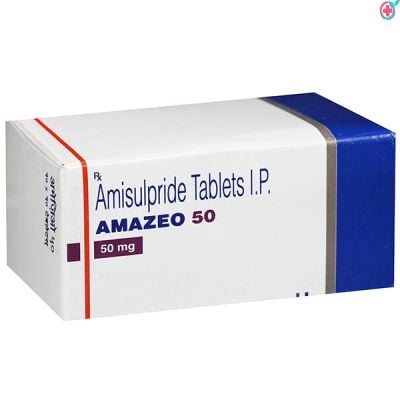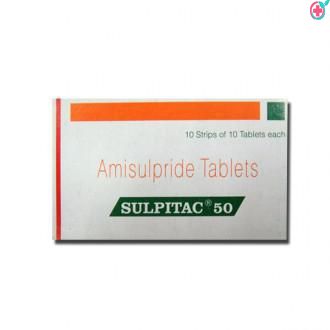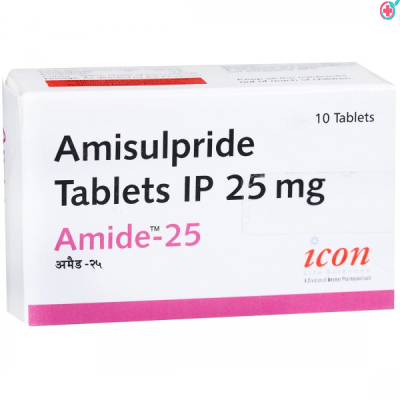
Soltus Tablet (Amisulpride)
Soltus Tablet (Amisulpride) is an effective antipsychotic medication used for managing schizophrenia, psychotic disorders, and mood-related conditions. It helps in reducing hallucinations, delusions, agitation, and emotional instability, promoting better mental clarity and behavioral control. This Amisulpride tablet is commonly prescribed for both acute episodes and long-term psychiatric management under medical supervision.


Soltus Tablet Product Overview
Soltus Tablet is a highly specialized atypical antipsychotic medication containing Amisulpride. It is engineered to manage the complex symptoms of acute and chronic schizophrenia, as well as other psychotic disorders. By acting as a selective dopamine receptor antagonist, Soltus effectively balances chemical messengers in the brain to improve clarity of thought, emotional stability, and social engagement. Beyond its psychiatric applications, it is also utilized as a potent antiemetic to prevent postoperative nausea and vomiting (PONV).
Product Composition
- Active Ingredient: Contains Amisulpride, a synthetic substituted benzamide derivative.
- Chemical Class: Belongs to the aminobenzamide group of antipsychotics.
- Pharmacological Action: Acts as a selective D2 and D3 receptor blocker to stabilize neural overactivity.
Product Specifications
| Feature | Details |
| Generic Name | Amisulpride |
| Drug Class | Atypical Antipsychotic |
| Therapeutic Category | Neuroleptic and Antiemetic |
| Dosage Form | Oral Tablet |
| Primary Indication | Schizophrenia and Psychotic Symptoms |
Mechanism of Action: How the Tablet Works
The clinical performance of Soltus Tablet is unique due to its dose-dependent mechanism, which allows it to target different symptoms based on the concentration in the bloodstream.
- Selective Receptor Binding: Amisulpride binds with high affinity to dopamine D2 and D3 receptors, primarily in the limbic system, which regulates emotions and behavior.
- Presynaptic Blockade (Low Doses): At lower dosages, it blocks presynaptic autoreceptors, increasing dopamine release to treat negative symptoms like emotional withdrawal and depression.
- Postsynaptic Blockade (High Doses): At higher dosages, it blocks postsynaptic receptors, effectively reducing positive symptoms such as hallucinations and delusions.
- Antiemetic Properties: By blocking D2 receptors in the Chemoreceptor Trigger Zone (CTZ), it inhibits the signals that trigger nausea and vomiting.
Key Benefits of Soltus
- Comprehensive Symptom Control: Effectively addresses both positive symptoms (hallucinations) and negative symptoms (social withdrawal) of schizophrenia.
- Improved Cognitive Function: Helps patients think more clearly, reducing agitation and improving social functioning.
Postoperative Support: Provides reliable relief from nausea and vomiting following surgical procedures. - Lower Neurological Side Effects: Compared to older antipsychotics, it has a reduced tendency to cause severe extrapyramidal symptoms (involuntary movements).
- Mood Stabilization: Acts as a potent antidepressant in patients with schizophrenia, helping to alleviate depressive moods and anxiety.
Soltus Tablet Precautions
Important Safety Information for Soltus Tablet
Soltus Tablet (Amisulpride) is a widely used antipsychotic medication for schizophrenia, psychotic disorders, and mood stabilization. Following proper precautions ensures safe and effective mental health management.
Medical Conditions to Consider
- Use cautiously in patients with a history of heart disease, irregular heartbeat, or low blood pressure
- Patients with kidney or liver impairment should consult their doctor before use
- Avoid use in individuals with epilepsy or seizure disorders without medical supervision
- Inform your doctor if you have diabetes, low white blood cell count, or history of blood disorders
Usage Related Precautions
- Take Soltus Tablet exactly as prescribed; do not alter the dose
- Regular monitoring of blood pressure, blood sugar, and heart function may be necessary
- Avoid abrupt discontinuation, as it may worsen psychotic symptoms
- Use caution when combining with other central nervous system (CNS) depressants
Special Population Warnings
| Category | Precaution |
|---|---|
| Pregnancy | Use only if clearly prescribed; the effects on the fetus are not well established |
| Breastfeeding | Consult your doctor, as Amisulpride may pass into breast milk |
| Elderly | Higher risk of dizziness, low blood pressure, and movement disorders |
Lifestyle and Safety Advice
- Avoid alcohol consumption, as it may increase sedation and drowsiness
- Do not drive or operate machinery until you know how this antipsychotic tablet affects you
- Maintain regular follow-ups with your psychiatrist to monitor treatment effectiveness
When to Seek Medical Help
- Signs of severe dizziness, fainting, or rapid heartbeat
- Unusual muscle stiffness, tremors, or uncontrollable movements
- Symptoms of allergic reaction, such as rash, swelling, or difficulty breathing
Following these precautions ensures safe use of Soltus Tablet (Amisulpride) for schizophrenia, psychotic disorder management, and mood stabilization while minimizing potential health risks.
Soltus Tablet Usage
To achieve the best results from Soltus Tablet, it is essential to follow a precise medication administration schedule. Because the effects of Amisulpride are highly dose-dependent, strict adherence to your doctor's instructions ensures that the medication targets the specific symptoms—whether positive or negative—most effectively.
Dosage and Administration Guidelines
Standard Adult Dosage: For negative symptoms, doses usually range from 50mg to 300mg per day. For positive symptoms, higher doses between 400mg and 800mg are typically required.
Method of Intake: Swallow the oral tablet whole with a full glass of water. Do not crush or chew the tablet, as this can affect the absorption rate.
Timing with Food: For maximum drug absorption, it is recommended to take the medication before meals. If your dose is above 400mg, it should be divided into two separate intakes (morning and evening).
Duration of Treatment: Psychiatric conditions require long-term, consistent use. Do not stop taking the medicine even if you feel better, as this can cause a relapse.
Missed Dose Protocol: If you miss a dose, take it as soon as you remember. If it is almost time for your next dose, skip the missed one. Never take a double dose to compensate.
Usage Summary Table
| Parameter | Guideline |
| Route of Administration | Oral |
| Recommended Timing | Before meals (Empty stomach) |
| Standard Frequency | Once or twice daily (depending on dose) |
| Storage Temperature | Store below 30°C in a dry place |
| Patient Population | Adults (Not recommended for children) |
Special Usage Instructions
Elderly Patients: Geriatric dosing starts at the lowest possible level to prevent sedation and maintain cardiovascular safety.
Gradual Tapering: If the medication needs to be discontinued, it must be done through a gradual dose reduction under medical supervision to avoid withdrawal symptoms.
Renal Monitoring: Patients with kidney impairment may require reduced dosages, as the drug is primarily excreted through the kidneys.
Hydration and Oral Care: Maintain adequate fluid intake to manage potential dry mouth (xerostomia) often associated with antipsychotic use.
Soltus Tablet Uses
Soltus Tablet is a versatile atypical antipsychotic medication containing Amisulpride, widely prescribed for its dual role in psychiatric care and specialized anesthesia recovery. By acting as a selective dopamine receptor antagonist, it effectively targets chemical imbalances in the brain to restore mental clarity and emotional stability. This neuroleptic therapy is essential for managing complex cognitive symptoms and improving long-term social outcomes.
Primary Clinical Uses
Acute Schizophrenia Management: Rapidly addresses positive symptoms such as auditory hallucinations, persistent delusions, and disordered thought patterns.
Chronic Schizophrenia Therapy: Provides long-term stability by treating negative symptoms, including emotional withdrawal, lack of motivation, and social isolation.
Psychotic Disorder Treatment: Effectively manages acute psychotic episodes characterized by agitation, confusion, or aggressive behavior.
Postoperative Nausea and Vomiting (PONV): Utilized in clinical settings to prevent and treat nausea following surgical procedures and general anesthesia.
Mood Stabilization: Acts as a potent antidepressant in schizophrenic patients to alleviate persistent low mood and anxiety.
Dysthymia Management: Sometimes used in lower doses to treat chronic, low-grade depression and persistent fatigue.
Soltus Tablet Side Effects
Common Side Effects
Soltus Tablet (Amisulpride) is a widely prescribed antipsychotic medication for schizophrenia, psychotic disorders, and mood stabilization. While effective, some mild to moderate side effects may occur:
- Drowsiness or fatigue
- Dizziness or lightheadedness
- Weight gain
- Increased appetite
- Sleep disturbances
These side effects are usually mild and may improve as the body adjusts to the Amisulpride tablet.
Less Common Side Effects
- Tremors or muscle stiffness
- Restlessness or agitation
- Dry mouth
- Headache or mild nausea
Serious Side Effects
| Side Effect | Description |
|---|---|
| Movement disorders | Uncontrollable movements, tremors, rigidity, or tardive dyskinesia |
| Heart-related issues | QT prolongation, irregular heartbeat, or fainting |
| Severe allergic reaction | Rash, swelling, difficulty breathing, or anaphylaxis |
| Hormonal effects | Increased prolactin levels causing breast enlargement, galactorrhea, or menstrual irregularities |
| Blood disorders | Rarely, low white blood cell count increasing infection risk |
When to Seek Medical Help
- Severe dizziness, fainting, or palpitations
- Sudden muscle stiffness, tremors, or uncontrollable movements
- Signs of allergic reaction, such as rash, swelling, or difficulty breathing
- Unusual breast changes or menstrual irregularities
Safety Advice
- Take the Soltus Tablet exactly as prescribed and do not stop abruptly
- Avoid alcohol while taking this antipsychotic medication
- Maintain regular follow-ups with your psychiatrist to monitor side effects and treatment response
Being aware of these side effects ensures safer use of Soltus Tablet (Amisulpride) for schizophrenia, psychotic disorders, and mood stabilization while minimizing risks.
Soltus Tablet FAQs
Q: What is the primary use of Soltus Tablet?
A: It is a high-efficacy atypical antipsychotic used to treat acute and chronic schizophrenia. Additionally, it is utilized in lower doses as a potent antiemetic to prevent postoperative nausea and vomiting.
Q: How does Amisulpride work in the brain?
A: It acts as a selective dopamine receptor antagonist. By balancing dopamine levels in the limbic system, it effectively reduces hallucinations and improves emotional withdrawal, helping to restore hormonal balance in neural signaling.
Q: Can I take Soltus Tablet with food?
A: For maximum drug absorption, it is generally recommended to take the tablet before meals. However, always follow the specific schedule provided by your healthcare provider.
Q: Does Soltus Tablet cause weight gain?
A: While many antipsychotic medications are associated with metabolic changes, Amisulpride typically has a lower risk of significant weight gain compared to other drugs in its class.
Q: Is it safe to drive while taking Soltus?
A: This medication may cause drowsiness, dizziness, or blurred vision. It is important to observe how the tablet affects you before operating heavy machinery or driving.
Q: What are the common side effects of Soltus?
A: Some patients may experience insomnia, anxiety, or dry mouth. In some cases, it can lead to elevated prolactin levels, which should be monitored by a healthcare professional.
Q: Can I stop taking Soltus once my symptoms improve?
A: No, you should never discontinue Soltus abruptly. Stopping the medication suddenly can lead to a relapse of psychotic symptoms. Always consult your doctor for a gradual tapering schedule.
Q: Can I consume alcohol while on Soltus?
A: It is strongly advised to avoid alcohol, as it can increase the sedative effects of the medication and may significantly impair coordination or mental clarity.
Q: Does Soltus interact with other medications?
A: Yes, it may interact with drugs that affect heart rhythm or other CNS depressants. Always provide your doctor with a full list of your current prescription medications to ensure safety.
Q: How long does it take to see results for schizophrenia?
A: While some improvement in agitation may occur quickly, it often takes several weeks of consistent use to see the full therapeutic benefits regarding delusions and social engagement.
Soltus Tablet Interactions
Drug Interactions for Soltus Tablet
Soltus Tablet (Amisulpride) is an effective antipsychotic medication used for schizophrenia, psychotic disorders, and mood stabilization. It may interact with other medications, which can affect its effectiveness or increase the risk of side effects. Proper monitoring is essential during psychiatric treatment.
Common Drug Interactions
- Other antipsychotics or CNS depressants
Combining with other antipsychotic or sedative medications may increase drowsiness, low blood pressure, and movement disorders. - Antihypertensive medications
May enhance the blood pressure-lowering effect, increasing the risk of dizziness or fainting. - Drugs affecting heart rhythm
Medications such as certain antiarrhythmics may increase the risk of QT prolongation or irregular heartbeat when combined with Soltus Tablet. - Dopamine agonists
Drugs used for Parkinson’s disease may reduce the effectiveness of this antipsychotic tablet. - Antidepressants
Certain SSRIs or tricyclic antidepressants may interact, increasing the risk of serotonin-related side effects or QT prolongation.
Interaction with Health Conditions
| Condition | Interaction Impact |
|---|---|
| Heart disease | Increased risk of arrhythmia, QT prolongation, or low blood pressure |
| Kidney or liver impairment | Slower metabolism of Amisulpride may increase side effects |
| Epilepsy or seizure disorders | Higher risk of seizure occurrence |
| Low white blood cell count | Increased risk of infection and immune suppression |
Lifestyle and Food Interactions
- Avoid alcohol while taking this antipsychotic tablet, as it may increase drowsiness and impaired coordination
- Inform your doctor about all other medications, herbal supplements, or over-the-counter drugs
- Avoid abrupt discontinuation to prevent rebound psychotic symptoms
Managing these interactions ensures safer use of Soltus Tablet (Amisulpride) for schizophrenia treatment, psychotic disorder management, and mood stabilization while minimizing health risks.
| Manufacturer | : | A. Menarini India Pvt Ltdine HCL) |
| Trade Name | : | Barhemsys |
| Generic Search | : | Amisulpride |
| Strength | : | 50mg, 100mg, 200mg, 300mg, 400mg. |
Certified Content

Dr. Priya Nair
Clinical Pharmacist & Senior Drug Information Specialist | 9 years
Pharm.D. (Doctor of Pharmacy)
Latest Products