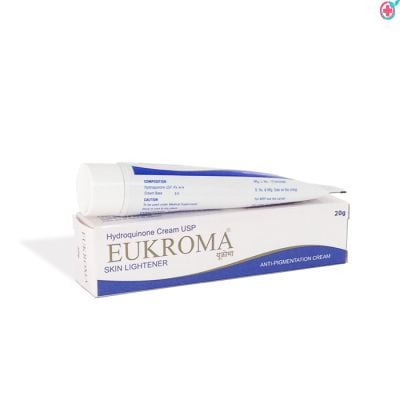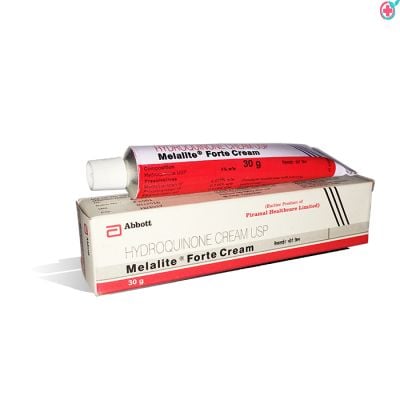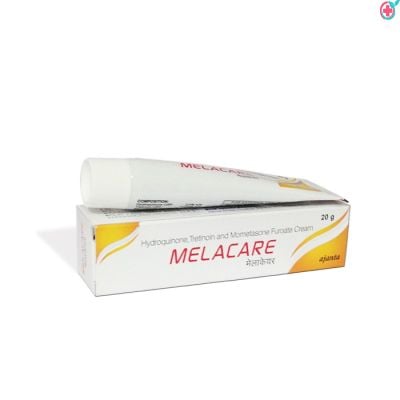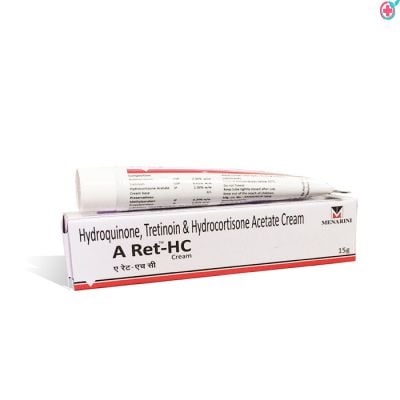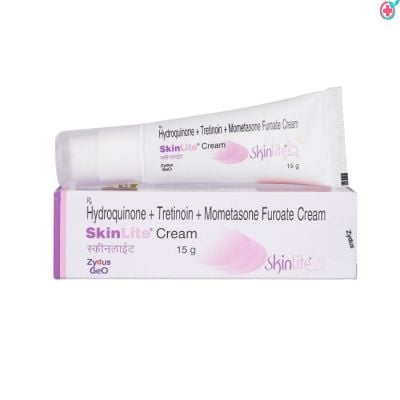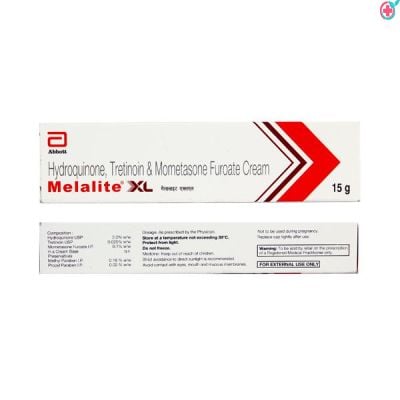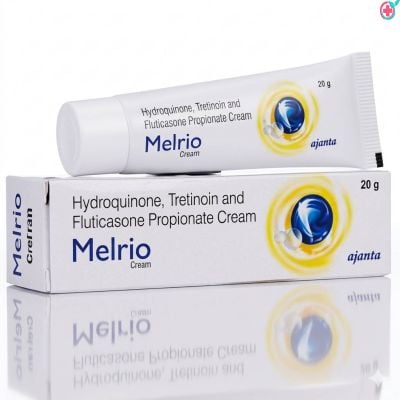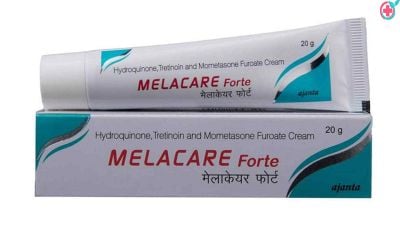
Lumacip Cream 2% - 15gm (Hydroquinone) Used in Treatment of Melasma, Dark Spots, and Skin Tone
Lumacip Cream 2% (15gm) contains Hydroquinone, a skin-lightening agent used to treat hyperpigmentation, melasma, dark spots, freckles, age spots, post-inflammatory hyperpigmentation, and uneven skin tone. It works by reducing melanin production, helping lighten dark patches and improve skin appearance.


Product Overview
Lumacip Cream, a topical skin-lightening medication used to treat hyperpigmentation, melasma, dark spots, & uneven skin tone. Lumacip Cream 2% is a dermatological preparation containing Hydroquinone 2%, a widely recognized depigmenting agent. It is specifically formulated to treat various forms of hyperpigmentation by reducing the production of melanin in the skin. By inhibiting the enzyme tyrosinase, which is responsible for melanin synthesis, Lumacip helps to lighten dark patches, age spots, freckles, and discoloration.
This concentration (2%) is often preferred for those requiring a balanced approach to skin lightening, offering effective results while minimizing the risk of irritation compared to higher-strength formulations. It is typically used for targeted spot treatment to achieve a more uniform and even complexion.
Product Composition
- Active Ingredient:
- Hydroquinone (2%): A potent depigmenting agent that inhibits melanin production at the cellular level.
- Formulation: A stable cream base designed to allow for controlled and effective absorption into the skin.
- Action Category: Topical depigmenting/bleaching agent.
Product Specifications
| Feature | Description |
| Therapeutic Class | Dermatological / Depigmenting Agent |
| Route of Administration | Topical |
| Primary Indication | Hypermelanosis, melasma, age spots, and post-inflammatory hyperpigmentation |
| Mechanism | Inhibition of tyrosinase enzyme activity |
| Storage | Store in a cool, dry place; keep tube tightly closed |
Mechanism of Action
- Tyrosinase Inhibition: Hydroquinone works by reversibly inhibiting the enzyme tyrosinase. This enzyme is essential for converting tyrosine into melanin. By effectively "turning off" this production pathway, it reduces the darkening of the skin in the treated area.
- Reduction of Melanosomes: It promotes the degradation of melanosomes (the pigment-carrying organelles) within the melanocytes, leading to a gradual lightening of existing dark spots.
Key Benefits
- Effective Lightening: Proven to be highly effective for reducing the intensity of localized dark spots and patches.
- Balanced Potency: The 2% concentration provides a professional-grade treatment that is often easier for the skin to tolerate than higher concentrations.
- Targeted Correction: Ideal for addressing specific areas of hyperpigmentation to help restore a more even skin tone.
- Supports Uniform Complexion: Helps minimize the contrast between hyperpigmented areas and the surrounding healthy skin.
Precautions
Medical supervision
- Use only under dermatologist supervision as it contains Hydroquinone 2%
- Not recommended for long-term or cosmetic skin lightening without medical indication
- Avoid unsupervised or excessive use
Skin conditions
| Condition | Precaution |
|---|---|
| Sensitive skin | May cause irritation, perform patch test before use |
| Broken or inflamed skin | Do not apply on cuts, wounds, or irritated areas |
| Allergic history | Avoid if allergic to hydroquinone or formulation ingredients |
| Darker skin tones | Use cautiously to prevent uneven pigmentation if misused |
Application safety
- Apply a thin layer only on affected areas
- Avoid contact with eyes, lips, and mucous membranes
- Wash hands after application
Sun exposure care
- Skin becomes more sensitive to sunlight during use
- Use broad-spectrum sunscreen daily
- Avoid direct sun exposure and tanning
Usage precautions
- Do not exceed recommended duration of use
- Avoid combining with other strong exfoliating or depigmenting products unless advised
- Discontinue use if severe irritation, redness, or burning occurs
Monitoring advice
- Mild irritation or dryness may occur initially
- Seek medical advice if no improvement after recommended period
- Stop use if signs of allergic reaction or unusual skin darkening appear
Usage
Application Guidelines
Lumacip Cream 2% requires a consistent and disciplined approach to achieve even results and ensure skin safety.
| Aspect | Instruction |
| Frequency | Typically once daily (in the evening) |
| Method | Apply a thin layer to the specific dark patches only |
| Duration | Short-term use as advised by your dermatologist |
| Preparation | Apply to clean, dry skin; avoid areas around eyes, lips, and nostrils |
Administration & Best Practices
Spot Treatment Precision: Use a cotton swab or a clean fingertip to apply the cream exactly onto the dark spots. Avoiding the surrounding, healthy skin prevents unnecessary lightening of your natural complexion.
Sunscreen is Mandatory: You must apply a broad-spectrum sunscreen (SPF 30 or higher) every single morning. Because Hydroquinone makes the skin more vulnerable to UV light, sun exposure without protection will rapidly reverse the lightening effects.
Evening Routine: Apply the cream at night. This avoids UV interference and allows the active ingredient to work undisturbed while you sleep.
Patch Test: Before starting regular application, apply a small amount of the cream to a hidden area (such as the inner forearm) to check for any severe allergic reaction or sensitivity.
Wash Hands: Always wash your hands immediately after application to prevent the cream from spreading to other areas or being accidentally ingested.
Uses
Melasma & Chloasma: Effectively fades the patchy, dark discoloration often triggered by hormonal shifts, such as pregnancy or oral contraceptive use.
Post-Inflammatory Hyperpigmentation (PIH): Used to treat the lingering dark marks left behind after acne breakouts, minor skin injuries, or inflammation have healed.
Age Spots & Sun Spots: Helps diminish the appearance of localized areas of excess pigment caused by chronic, long-term sun exposure.
Freckles: Assists in reducing the intensity of freckles for a more uniform and even-toned skin appearance.
Side effects
Common side effects
- Mild redness or irritation at the application site
- Burning or stinging sensation
- Dryness and slight peeling of skin
- Increased sensitivity to sunlight
- Mild itching or discomfort
Serious side effects
| Area | Possible Effects |
|---|---|
| Skin | Severe irritation, blistering, or rash |
| Pigmentation | Uneven lightening or paradoxical darkening (rare) |
| Chronic use | Exogenous ochronosis (bluish-black discoloration) |
| Allergy | Swelling, hives, or contact dermatitis |
| Sensitivity | Persistent burning or discomfort |
Warning signs requiring medical attention
- Severe or persistent redness, burning, or swelling
- Darkening of skin instead of lightening
- Signs of allergic reaction such as rash, itching, or difficulty breathing
- Worsening skin condition despite discontinuation
- Unusual bluish or grayish skin discoloration with long-term use
FAQs
Q: What is Lumacip Cream 2% used for?
A: It is used to lighten hyperpigmentation, such as dark spots, age spots, freckles, melasma, and discoloration left behind after acne or skin inflammation.
Q: How does it lighten the skin?
A: It contains Hydroquinone 2%, which inhibits the enzyme tyrosinase. This enzyme is required to produce melanin (skin pigment). By blocking it, the cream reduces the formation of new pigment.
Q: Can I use this on my entire face?
A: No. It is intended for spot treatment on specific dark patches. Using it over your entire face can lead to uneven lightening and increased irritation.
Q: How long until I see results?
A: Results vary by individual. Most people start to see noticeable fading after a few weeks of consistent, nightly use, but it may take several months to achieve full results.
Q: Do I really need to use sunscreen every day?
A: Yes, this is essential. Treatment makes your skin more sensitive to UV rays. Without strict sun protection, the sun will quickly stimulate your skin to produce more pigment, reversing all your progress.
Q: What should I do if my skin turns dark instead of light?
A: Stop using the cream immediately. While rare, a condition called exogenous ochronosis can occur with prolonged use, causing the skin to turn dark or blue-gray. Consult your dermatologist right away if you notice any unexpected darkening.
Interactions
Skincare product interactions
- Retinoids (e.g., tretinoin) may increase irritation, redness, and peeling
- AHA/BHA exfoliants can enhance skin sensitivity and dryness
- Benzoyl peroxide may cause temporary darkening or increased irritation
- Other depigmenting agents may lead to uneven skin lightening or over-irritation
- Harsh scrubs or alcohol-based toners may worsen dryness and sensitivity
Medicine and topical treatment interactions
| Product Type | Interaction Effect |
|---|---|
| Retinoids | Increased peeling, redness, and irritation |
| AHA/BHA exfoliants | Excessive dryness and sensitivity |
| Benzoyl peroxide | Temporary darkening or irritation |
| Other depigmenting agents | Uneven pigmentation or over-lightening |
| Harsh topical products | Increased irritation and barrier damage |
Cosmetic interactions
- Fragranced skincare products may trigger irritation or allergic reactions
- Heavy makeup can reduce absorption and effectiveness
- Alcohol-based products may increase dryness and sensitivity
Usage advice
- Apply on clean, dry skin and allow full absorption before layering products
- Maintain a gap between hydroquinone and other active skincare treatments
- Avoid combining multiple strong dermatological products without medical advice
- Discontinue use if irritation or adverse reactions increase when used with other products
| Manufacturer | : | Cipla Pharma, India |
| Trade Name | : | Eldoquin Forte |
| Generic Search | : | Hydroquinone |
| Strength | : | 2% |
Certified Content

Dr. Priya Nair
Clinical Pharmacist & Senior Drug Information Specialist | 9 years
Pharm.D. (Doctor of Pharmacy)
Latest Products