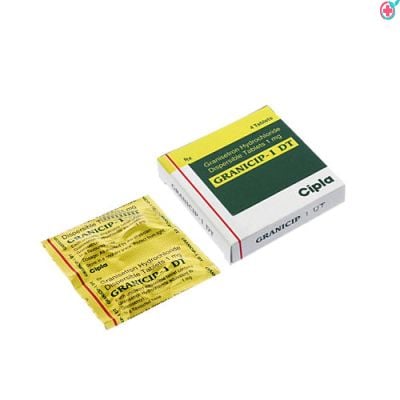
Graniheal MD 1mg Tablet (Granisetron Hydrochloride) – Used for Nausea and Vomiting Prevention
Graniheal MD 1mg Tablet contains granisetron, an antiemetic medicine that helps prevent nausea and vomiting associated with certain cancer treatments, including chemotherapy and radiotherapy. The MD formulation is designed to dissolve in the mouth; follow the specific package instructions for administration. Use this medicine only as directed by a healthcare professional.


Product Overview
Graniheal MD 1mg Tablet is a medicine containing granisetron hydrochloride, which belongs to a group of medicines called serotonin 5-HT3 receptor antagonists. It works by blocking serotonin signals involved in triggering nausea and vomiting.
Healthcare professionals may prescribe granisetron to help prevent nausea and vomiting associated with chemotherapy or radiation therapy. Granisetron products may also be used in certain other clinical settings, depending on the formulation and local prescribing information.
The MD version is described in product information as a mouth-dissolving tablet. Check the product leaflet to confirm how to take this specific formulation.
Key Points
- Helps manage nausea and vomiting associated with certain medical treatments.
- Blocks serotonin signals involved in triggering the vomiting reflex.
- May be prescribed as part of chemotherapy or radiotherapy supportive care.
- Helps reduce treatment-related discomfort and supports patient comfort.
- Should be taken according to the prescribed treatment schedule.
- Does not treat the underlying cause of every type of nausea or vomiting.
- Requires caution in people with severe constipation or intestinal problems.
- Medical advice is important when taking other medicines that affect heart rhythm or serotonin levels.
Product Information
| Detail | Information |
| Product name | Graniheal MD 1mg Tablet |
| Generic name | Granisetron hydrochloride |
| Strength | 1 mg |
| Dosage form | Mouth-dissolving tablet |
Main use | Prevention of treatment-related nausea and vomiting |
How Does Graniheal MD Work?
Granisetron blocks 5-HT3 serotonin receptors involved in the nausea and vomiting reflex. During some cancer treatments, serotonin released in the body can activate these receptors and trigger vomiting signals. By blocking the signals, granisetron helps reduce the likelihood of nausea and vomiting.
It does not treat the underlying cancer or other condition, and it does not stimulate normal stomach or intestinal movement.
Precaution
Allergies: Tell your doctor if you have had an allergic reaction to granisetron or other similar medicines.
Heart conditions: Inform your doctor if you have an irregular heartbeat, a heart rhythm disorder, or a history of fainting.
Electrolyte imbalance: Low potassium or magnesium levels may increase the risk of heart rhythm problems.
Constipation: Tell your doctor if you have severe constipation or a history of bowel obstruction.
Abdominal problems: Granisetron may mask symptoms of worsening intestinal problems; persistent pain or swelling requires assessment.
Liver disease: Inform your healthcare professional about any liver condition.
Other medicines: Report all prescription medicines, over-the-counter medicines, and supplements you take.
Serotonin-related medicines: Tell your doctor if you use antidepressants or other medicines that affect serotonin.
Pregnancy: Consult your healthcare professional before using granisetron during pregnancy.
Breastfeeding: Ask your healthcare professional whether this medicine is appropriate while breastfeeding.
Older adults: Your overall health, heart condition, and other medicines should be reviewed before treatment.
Persistent symptoms: Seek medical advice if nausea or vomiting continues despite treatment, particularly if you cannot keep fluids down.
Usage
Take the tablet according to your healthcare professional's instructions.
Follow the timing recommended for your chemotherapy, radiotherapy, or other prescribed treatment.
Since this is an MD formulation, follow the pack leaflet for how to place the tablet in your mouth and allow it to dissolve.
Do not take additional tablets or repeat a dose without medical advice.
If you vomit after taking a dose, ask your healthcare professional whether you need another dose.
Uses
Graniheal MD 1mg Tablet may be prescribed for the following purposes, depending on the treatment plan and product instructions:
Chemotherapy-induced nausea: Helps prevent nausea associated with certain cancer chemotherapy treatments.
Chemotherapy-induced vomiting: Helps reduce vomiting caused by chemotherapy.
Radiotherapy-related nausea: Helps prevent nausea associated with certain radiation therapy regimens.
Radiotherapy-related vomiting: Helps reduce vomiting associated with radiation treatment.
Treatment-related nausea management: May be included in a healthcare professional's plan to manage nausea and vomiting during selected medical treatments.
Side Effects
Not everyone experiences side effects. Possible side effects of granisetron include:
Common side effects
Headache
Constipation
Diarrhea
Abdominal pain or discomfort
Weakness or tiredness
Serious side effects
Seek urgent medical attention if you experience:
Heart rhythm changes: Fast or irregular heartbeat, severe dizziness, or fainting.
Severe allergic reaction: Swelling of the face or throat, difficulty breathing, or widespread hives.
Possible serotonin syndrome: Agitation, confusion, fever, excessive sweating, tremors, muscle stiffness, or loss of coordination, particularly when taking other medicines that affect serotonin.
Severe constipation or abdominal swelling: Especially if accompanied by persistent pain or vomiting.
FAQs
1. What is Graniheal MD 1mg Tablet used for?
It is used to help prevent nausea and vomiting associated with certain chemotherapy and radiotherapy treatments.
2. What is the generic name of Graniheal MD 1mg Tablet?
Its active ingredient is granisetron hydrochloride.
3. How does Graniheal MD work?
It blocks 5-HT3 serotonin receptors involved in triggering nausea and vomiting.
4. Is Graniheal MD a mouth-dissolving tablet?
Product information describes Graniheal MD as a mouth-dissolving formulation. Follow the instructions provided with your specific pack.
5. Can Graniheal MD cause constipation?
Yes. Constipation is a reported side effect. Tell your healthcare professional if it becomes severe or is accompanied by abdominal swelling or persistent pain.
6. Can I take Graniheal MD with other medicines?
Some combinations require caution, particularly medicines affecting heart rhythm or serotonin. Ask your doctor or pharmacist to review your medicines.
7. Can I use Graniheal MD during pregnancy?
Consult your healthcare professional before use during pregnancy so they can assess the potential benefits and risks.
Interactions
Inform your healthcare professional about all medicines you take. Important potential interactions or combined risks include:
Other medicines that prolong the QT interval: Some antiarrhythmics and other medicines can increase the risk of heart rhythm problems.
Antidepressants (SSRIs): Examples include fluoxetine, sertraline, and citalopram. Serotonin syndrome has been reported with combinations involving serotonergic medicines.
SNRIs: Medicines such as venlafaxine and duloxetine require review because of the potential for serotonin-related adverse effects.
Tramadol: Requires medical review when combined with granisetron, particularly because of serotonin-related risks.
Lithium: The combination should be reviewed by a healthcare professional due to possible serotonin-related adverse effects.
Fentanyl and other serotonergic medicines: The treating clinician should assess the combined risks.
Methylene blue: Particularly intravenous methylene blue may pose a serotonin-related interaction risk.
Medicines that affect heart rhythm: Tell your doctor about any medicine that may cause arrhythmias.
Chemotherapy medicines: Your oncology team should review the complete treatment regimen and supportive medicines.
Medicines affecting electrolyte levels: Some diuretics and other treatments may lower potassium or magnesium, increasing heart rhythm risks.
Other antiemetics: Combining nausea medicines may require review of side effects and heart rhythm risks.
Medicines that affect liver enzymes: Some enzyme-inducing or enzyme-inhibiting medicines may affect granisetron exposure; the importance depends on the specific medicine.
These examples are not a complete list, and they do not mean that every combination is prohibited. Your doctor or pharmacist should review your full medication list.
| Manufacturer | : | Cipla Pharma, India |
| Trade Name | : | Kytril |
| Generic Search | : | Granisetron |
| Strength | : | 1mg |
| Availability | : | In stock |
| Delivery Time | : | 12 - 20 Days |
| Free Shipping | : | Free delivery over $250 |
Certified Content

Dr. Priya Nair
Clinical Pharmacist & Senior Drug Information Specialist | 9 years
Pharm.D. (Doctor of Pharmacy)
Latest Products