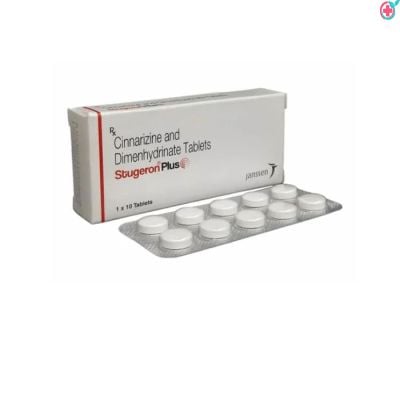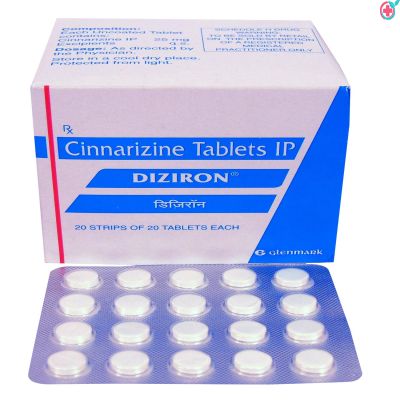
Cintigo Tablet (Cinnarizine) | Used to Prevent & Treat Dizziness, Nausea, Vomiting, Headaches
Cintigo Tablet (Cinnarizine) is an antihistamine used to prevent and treat vertigo, motion sickness, Meniere's disease, tinnitus, and dizziness. Improves inner ear blood circulation and relieves nausea and vomiting.


Product Overview
Cintigo Tablet is a highly effective antihistamine and calcium channel blocker containing Cinnarizine. Cintigo Tablet (Cinnarizine) is used to treat vertigo, dizziness, and motion sickness. It is specifically formulated to manage balance disorders and peripheral vascular conditions. By improving blood flow and desensitizing the inner ear's response to motion, it serves as a primary therapy for various types of vertigo and the prevention of motion sickness.
Product Composition
- Active Ingredient: Cinnarizine
- Pharmacological Class: Calcium Channel Antagonist / H1-Receptor Antagonist
- Common Strengths: 25mg, 75mg
- Excipients: May include lactose, maize starch, and magnesium stearate
Product Specifications
| Feature | Specification |
| Drug Category | Antivertigo / Anti-emetic |
| Therapeutic Class | Labyrinthine Sedative |
| Onset of Action | 1 to 4 hours |
| Duration of Effect | Up to 8 hours |
| Storage | Store in a cool, dry place below 25°C |
Mechanism of Action
- Calcium Channel Blockade: Cinnarizine inhibits the entry of calcium ions into the vestibular sensory cells, reducing the sensitivity of the inner ear to motion and positional changes.
- Labyrinthine Sedation: It acts as a labyrinthine sedative, suppressing the transmission of signals from the vestibular system to the brain’s vomiting center.
- Hemrheological Action: It improves peripheral circulation by increasing the deformability of red blood cells and reducing blood viscosity, which enhances blood flow to the brain and extremities.
- Histamine Antagonism: By blocking H1 receptors, it further helps in preventing the nausea and vomiting associated with equilibrium disorders.
Key Benefits
- Vertigo Control: Dramatically reduces the sensation of spinning and dizziness associated with Meniere’s disease and inner ear imbalances.
- Motion Sickness Prevention: Highly effective at preventing nausea and vomiting during travel by sea, air, or land when taken as prophylaxis.
- Tinnitus Relief: Helps alleviate the "ringing in the ears" by improving microcirculation within the vestibular apparatus.
- Improved Cerebral Circulation: Enhances blood flow to the brain, assisting in the management of symptoms like loss of concentration and memory in elderly patients.
- Peripheral Vascular Support: Assists in treating conditions like Raynaud's disease or intermittent claudication by relaxing constricted blood vessels.
Precautions
Medical supervision
- Use Cintigo Tablet (Cinnarizine) only under proper medical supervision
- Do not exceed the recommended dose
- Avoid long term unsupervised use
- Dose may need adjustment based on response
Health conditions
| Condition | Precaution |
|---|---|
| Liver disease | Use with caution and monitoring |
| Parkinson’s disease | May worsen symptoms |
| Epilepsy | Requires careful monitoring |
| Low blood pressure | May increase dizziness or weakness |
| Elderly patients | Higher risk of drowsiness |
Drowsiness and alertness
- May cause drowsiness or sleepiness
- Avoid driving or operating machinery if affected
- Do not combine with alcohol
Mental and neurological effects
- May cause fatigue or reduced alertness
- Rarely may affect mood or coordination
- Report unusual confusion or movement problems
Allergy precautions
- Avoid use if allergic to cinnarizine or similar medicines
- Stop use if rash or breathing difficulty occurs
Lifestyle advice
- Take with food if stomach upset occurs
- Avoid alcohol as it may increase side effects
- Get up slowly to avoid dizziness
Monitoring advice
- Regular follow up may be needed for long term use
- Report persistent dizziness, tremors, or severe drowsiness
- Adjust dose if side effects interfere with daily activities
Usage
Cintigo Tablet is a specialized labyrinthine sedative designed to stabilize the vestibular system. For maximum efficacy in managing balance disorders, it should be administered according to specific timing protocols, particularly when used for travel-related symptoms.
Dosage and Administration
Adhering to the following clinical administration guidelines ensures optimal control over dizziness and nausea while minimizing potential sedative effects.
Administration Method: The tablet should be taken orally with water. For better gastric tolerance, it is highly recommended to take the medication after meals.
Motion Sickness Prophylaxis: For the prevention of travel sickness, the first dose should be taken at least 2 hours before starting the journey. Subsequent doses can be taken every 8 hours if the journey is long.
Dosing for Vertigo:
Adults: Typically 25 mg three times a day or one 75 mg tablet once or twice daily, depending on the severity of the equilibrium disorder.
Maintenance: Once symptoms subside, the dosage is often gradually reduced under medical supervision.
Tablet Integrity: The tablet can be swallowed whole or crushed if necessary, though consistent timing is essential for maintaining stable serum concentrations.
Missed Dose: If a dose is missed, take it as soon as you remember. If it is nearly time for the next dose, skip the missed one. Do not take a double dose to compensate.
Precautions: Users should avoid alcohol consumption while on Cinnarizine therapy, as it can enhance the medication’s sedative properties.
Uses
Cintigo Tablet is a versatile antihistamine utilized primarily to treat conditions affecting the inner ear and peripheral blood flow.
Primary Therapeutic Uses
Management of Vertigo: Effectively treats the sensation of spinning and lightheadedness caused by vestibular system imbalances.
Control of Meniere’s Disease: Used to manage the triad of symptoms including vertigo, tinnitus (ringing in the ears), and nausea associated with this chronic inner ear condition.
Prevention of Motion Sickness: Acts as a potent prophylactic treatment for nausea, vomiting, and cold sweats experienced during travel (sea, air, or car sickness).
Cerebral Vascular Disorders: Prescribed to improve cerebral circulation, helping to alleviate symptoms like dizziness, irritability, and lack of concentration in elderly patients.
Peripheral Circulatory Support: Indicated for the treatment of Raynaud's disease, acrocyanosis, and intermittent claudication by improving blood flow to the limbs.
Tinnitus Management: Assists in reducing the intensity of ear ringing by enhancing the microcirculation within the labyrinth of the ear.
Nystagmus Control: Helps in reducing involuntary eye movements associated with labyrinthine disorders.
Side effects
Common side effects
- Drowsiness
- Sleepiness
- Fatigue
- Dry mouth
- Weight gain
Digestive system effects
- Nausea
- Stomach discomfort
- Constipation
- Loss of appetite in some cases
Nervous system effects
- Dizziness
- Headache
- Slowed reaction time
- Reduced alertness
Movement related effects
- Tremors
- Muscle stiffness (rare)
- Difficulty in coordination (rare)
Skin reactions
- Rash
- Itching
- Mild allergic skin reactions
Serious side effects (rare)
| Serious effect | Possible signs |
|---|---|
| Severe allergic reaction | Swelling, rash, breathing difficulty |
| Movement disorders | Tremors, stiffness, abnormal movements |
| Severe drowsiness | Extreme sleepiness, confusion |
| Liver issues (rare) | Yellow skin, dark urine, fatigue |
Important warning
- Stop use and seek immediate attention if serious symptoms occur
- Avoid driving if drowsiness is present
- Report persistent tremors, confusion, or severe fatigue promptly
FAQs
Q: What is Cintigo Tablet used for?
A: Cintigo Tablet is used to prevent and treat vertigo, motion sickness (travel sickness), Meniere's disease, tinnitus (ringing in the ears), and dizziness. It helps relieve nausea and vomiting associated with these conditions and improves blood circulation in the inner ear.
Q: How does Cintigo Tablet work?
A: Cinnarizine works by blocking histamine receptors in the brain, preventing the constriction of blood vessels in the inner ear and improving circulation. It also suppresses the vestibular system responsible for balance, helping to reduce dizziness and vertigo symptoms.
Q: How should Cintigo Tablet be taken?
A: Cintigo Tablet should be taken orally after meals to avoid stomach upset. Swallow the tablet whole with a glass of water. Do not crush, chew, or break the tablet.
Q: How long does it take for Cintigo Tablet to work?
A: Cintigo Tablet may start showing effects within 30 to 60 minutes of taking it. However, the full benefit may take a few doses depending on the condition being treated.
Q: What are the common side effects of Cintigo Tablet?
A: Common side effects include drowsiness, dry mouth, headache, nausea, vomiting, sweating, weight gain, lethargy, and skin problems. Most side effects are mild and resolve on their own. Consult your doctor if they persist or worsen.
Q: Who should not take Cintigo Tablet?
A: Cintigo Tablet should not be taken by patients who are allergic to Cinnarizine or any of its ingredients. It should also be avoided by patients with peptic ulcers, asthma, low blood pressure, depression, or porphyria (a blood disorder). It is not recommended for children below 5 years of age.
Q: Can Cintigo Tablet be used in patients with Parkinson's disease?
A: Cintigo Tablet should be used with caution in patients with Parkinson's disease as it can aggravate the condition and worsen symptoms. Consult your doctor before taking this medicine if you have Parkinson's disease.
Q: Can Cintigo Tablet be used during pregnancy?
A: Cintigo Tablet is not recommended during pregnancy unless absolutely necessary. The safety of Cinnarizine during pregnancy has not been conclusively established.
Q: Is Cintigo Tablet safe during breastfeeding?
A: Cinnarizine may pass into breast milk, so Cintigo Tablet is not recommended during breastfeeding unless advised by your doctor. Always consult your doctor before taking this medicine while breastfeeding.
Q: Can I drive after taking Cintigo Tablet?
A: No, Cintigo Tablet may cause drowsiness and impair your ability to drive or operate heavy machinery. Avoid such activities until you know how this medicine affects you.
Q: Can I drink alcohol while taking Cintigo Tablet?
A: No, alcohol should be avoided while taking Cintigo Tablet as it can enhance the sedative effects of Cinnarizine, leading to increased drowsiness and impaired coordination.
Q: Can Cintigo Tablet cause weight gain?
A: Yes, weight gain is a possible side effect of Cintigo Tablet as Cinnarizine may stimulate appetite. If this side effect bothers you, consult your doctor.
Q: Can Cintigo Tablet be used in elderly patients?
A: Cintigo Tablet should be used with caution in elderly patients as they may be more susceptible to its side effects. Patients above 70 years of age should take it only under medical supervision.
Interactions
Sedative medicines
- May increase drowsiness and sleepiness
- Effect on alertness may become stronger
- Avoid combining without guidance
Alcohol
- Can significantly increase drowsiness
- May worsen dizziness and coordination problems
- Best avoided during treatment
Anti anxiety or sleep medicines
- May enhance sedative effects
- Can reduce alertness and reaction time
- Use only if clearly advised
Antihistamines
- May increase side effects like dry mouth and drowsiness
- Combined use may affect focus and coordination
Antidepressant medicines
- May increase central nervous system side effects
- Drowsiness or fatigue may become more noticeable
General advice
- Inform about all ongoing medicines before use
- Avoid starting or stopping medicines without guidance
- Be cautious with any medicine that causes sedation or dizziness
| Manufacturer | : | Wallace Pharma, India |
| Trade Name | : | Stugeron |
| Generic Search | : | Cinnarizine |
| Strength | : | 25mg, 75mg |
Certified Content

Dr. Priya Nair
Clinical Pharmacist & Senior Drug Information Specialist | 9 years
Pharm.D. (Doctor of Pharmacy)
Latest Products