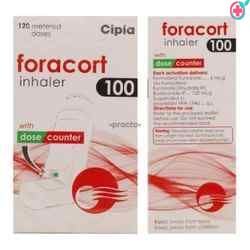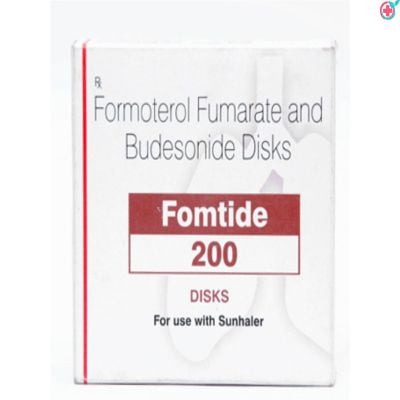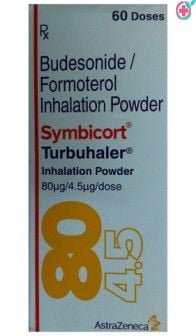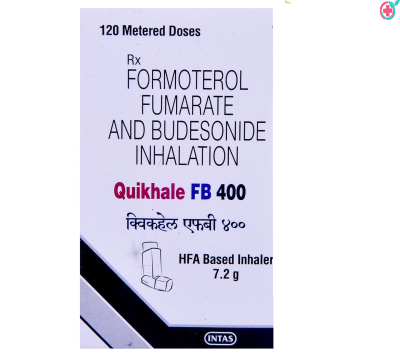
Foracort Forte Inhaler (Budesonide + Formoterol) | Maintenance Therapy for Asthma & COPD
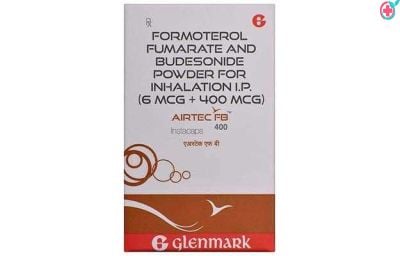
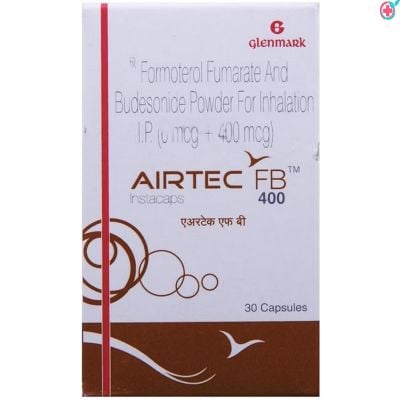
Foracort Forte Inhaler contains Budesonide and Formoterol, used for the long-term management of asthma and chronic obstructive pulmonary disease (COPD). Budesonide is an inhaled corticosteroid that reduces airway inflammation, while Formoterol is a long-acting bronchodilator that relaxes airway muscles to improve breathing.


Product Overview
Foracort Forte Inhaler is a high-strength, dual-action respiratory medication designed for the long-term management of chronic obstructive pulmonary disease (COPD) and asthma. Foracort Forte Inhaler is a combination medication containing Budesonide and Formoterol Fumarate . It combines a potent corticosteroid with a long-acting beta-agonist (LABA) to provide comprehensive airway care. This combination works by simultaneously reducing lung inflammation and keeping the bronchial passages open for extended periods. As a "Forte" formulation, it delivers a higher concentration of active ingredients for patients who require more intensive maintenance therapy to control persistent symptoms.
Product Composition
- Active Ingredient 1: Budesonide (Corticosteroid)
- Active Ingredient 2: Formoterol Fumarate (Long-Acting Beta-Agonist)
- Dosage Form: Metered-Dose Inhaler (MDI)
- Strength: Budesonide 400 mcg + Formoterol 12 mcg (per actuation)
- Pharmacological Class: Combination Inhaled Corticosteroid (ICS) and LABA
Product Specification
| Feature | Details |
| Primary Indication | Maintenance of Asthma & COPD |
| Onset of Action | Within 1 to 3 minutes |
| Effective Duration | Up to 12 hours per dose |
| Route of Administration | Inhalation |
| Storage | Store below 30°C; do not freeze |
Mechanism of Action
- Anti-inflammatory Response: Budesonide reduces the swelling and irritation in the airways by inhibiting various inflammatory cells and mediators.
- Bronchodilation: Formoterol relaxes the smooth muscles in the airways by stimulating beta-2 receptors, making it significantly easier to breathe.
- Synergistic Effect: The combination ensures that while the airways are physically widened, the underlying cause of the constriction (inflammation) is treated at the same time.
- Rapid Activation: Unlike some maintenance inhalers, the Formoterol component starts working quickly, providing prompt relief from chest tightness.
- Mucus Reduction: Budesonide helps decrease the production of excess mucus, which often clogs the airways in chronic respiratory conditions.
Key Benefits
- Long-Lasting Control: Provides 12-hour protection, reducing the need for frequent dosing throughout the day and night.
- Improved Quality of Life: Reduces the frequency of flare-ups (exacerbations), allowing patients to stay more active and sleep better.
- High Potency: The "Forte" strength is specifically beneficial for those whose symptoms are not adequately managed by lower-dose combinations.
- Dual-Path Therapy: Addresses both the mechanical tightening of the lungs and the cellular inflammation within the tissue.
- Convenience: Replaces the need for two separate inhalers, improving patient adherence to the treatment plan.
Precautions
General Precautions
- Use Foracort Forte Inhaler (Budesonide + Formoterol) exactly as prescribed by your doctor
- Do not use it for sudden asthma attacks or emergency breathing relief
- Rinse your mouth with water after each use to prevent oral infections
- Do not exceed the recommended dose or frequency of use
- Ensure correct inhaler technique for proper drug delivery
Medical History Precautions
- Inform your doctor if you have heart disease, arrhythmias, or high blood pressure
- Tell your doctor if you have diabetes, thyroid disorders, or seizures
- Disclose any history of tuberculosis or other lung infections
- Inform your doctor if you have weakened immunity or frequent infections
Infection and Respiratory Precautions
- Use with caution in patients with active or latent infections
- Report worsening breathing symptoms or increased wheezing immediately
- Do not stop corticosteroid therapy abruptly without medical advice
- Monitor for signs of oral fungal infection (thrush)
Drug and Health Safety
| Condition / Situation | Precaution |
|---|---|
| Heart disease | May increase risk of palpitations or heart rate changes |
| Diabetes | May affect blood glucose levels |
| Tuberculosis or lung infection | Requires careful monitoring before and during use |
| Long-term use | May require periodic lung function and adrenal monitoring |
| Incorrect inhaler use | May reduce effectiveness and disease control |
Usage
Dosage and Administration
Standard Frequency: Typically used as one or two inhalations twice daily, once in the morning and once in the evening.
Technique: Shake the inhaler well before use. Breathe out fully, place the mouthpiece in your mouth, and press the canister while taking a deep, slow breath.
Breath Holding: Hold your breath for about 10 seconds after inhaling to allow the medicine to reach deep into the lungs.
Wait Period: If you need a second puff, wait at least one minute before repeating the process.
Post-Inhalation Care: Rinse your mouth with water and spit it out after every use to prevent throat irritation or oral infections.
Administration Guidelines
| Scenario | Recommendation |
| Consistency | Use the inhaler at the same time every day, even if you do not feel short of breath. |
| Priming | If the inhaler is new or hasn't been used for 7 days, spray it into the air once or twice to prime it. |
| Cleaning | Clean the plastic mouthpiece once a week with a dry tissue or cloth; do not use water on the metal canister. |
| Rescue Inhaler | Always keep a separate fast-acting rescue inhaler (like Salbutamol) for sudden, severe attacks. |
Uses
Asthma Maintenance: Provides long-term control of asthma symptoms by reducing airway sensitivity and preventing wheezing.
COPD Management: Helps manage Chronic Obstructive Pulmonary Disease, including chronic bronchitis and emphysema.
Inflammation Reduction: Uses the corticosteroid component to decrease chronic swelling and mucus production in the lungs.
Bronchospasm Prevention: Keeps the muscles around the airways relaxed to prevent the "tight chest" feeling.
Exacerbation Control: Lowers the risk of sudden worsening of symptoms that might require hospital visits.
Exercise-Induced Symptoms: Helps maintain open airways during daily physical activities and routines.
Side Effects
Foracort Forte Inhaler (Budesonide + Formoterol) is generally well tolerated when used as prescribed, but some patients may experience side effects, especially during initial or long-term therapy.
Common Side Effects
- Throat irritation
- Hoarseness of voice
- Cough after inhalation
- Headache
- Tremors or mild shaking
- Palpitations
Less Common Side Effects
- Muscle cramps
- Dizziness
- Nausea
- Dry mouth or throat
- Sleep disturbances
- Mild anxiety or restlessness
Serious Side Effects
| Serious Condition | Symptoms |
|---|---|
| Bronchospasm (paradoxical) | Sudden worsening of breathing, wheezing after use |
| Severe allergic reaction | Rash, swelling of face/lips/tongue, difficulty breathing |
| Cardiovascular effects | Irregular heartbeat, chest pain, severe palpitations |
| Oral fungal infection (thrush) | White patches in mouth, soreness, difficulty swallowing |
| Adrenal suppression (long-term use) | Fatigue, weakness, weight loss, low blood pressure |
FAQs
Q: What is Foracort Forte used for?
A: It is a maintenance inhaler used to prevent symptoms of asthma and COPD. It reduces airway swelling and keeps the lungs open for easier breathing.
Q: Is this a "rescue" inhaler for sudden attacks?
A: No. While it works quickly, it is designed for regular, daily use to prevent symptoms. You should always keep a separate fast-acting rescue inhaler for sudden breathlessness.
Q: How many times a day should I use it?
A: The standard dose is usually one or two inhalations twice a day (morning and evening). Always follow the specific frequency prescribed by your doctor.
Q: Why do I need to rinse my mouth after use?
A: Rinsing helps remove any leftover medicine from your mouth and throat. This prevents side effects like a hoarse voice or oral thrush (a fungal infection).
Q: Can I stop using it when I feel better?
A: No. If you stop using it, the inflammation in your lungs may return, leading to a flare-up. Continue using it daily even if you have no active symptoms.
Q: How long does it take to work?
A: You may feel the breathing benefits within 1 to 3 minutes. However, the full anti-inflammatory effect can take a few weeks of consistent use to reach its peak.
Q: What are the common side effects?
A: Some people experience a sore throat, mild cough, headache, or a slightly increased heart rate. These usually fade as your body adjusts.
Q: Can I use this inhaler during pregnancy?
A: You should consult your doctor. It is vital to keep asthma controlled during pregnancy, but your physician will decide if this specific strength is right for you.
Q: How do I know when the inhaler is empty?
A: Most Foracort inhalers have a dose counter. Check the window on the canister to see how many puffs are remaining before you need a replacement.
| Manufacturer | : | Cipla Pharma, India |
| Trade Name | : | Symbicort |
| Generic Search | : | Budesonide + Formoterol Fumarate |
| Strength | : | 12/400 mcg |
Certified Content

Dr. Priya Nair
Clinical Pharmacist & Senior Drug Information Specialist | 9 years
Pharm.D. (Doctor of Pharmacy)
Latest Products