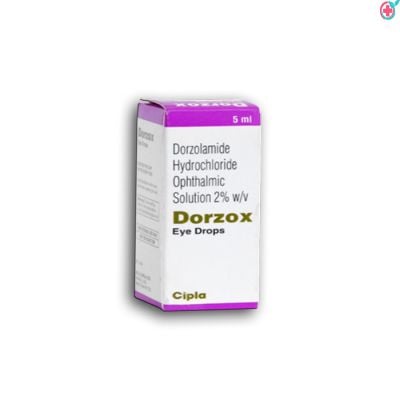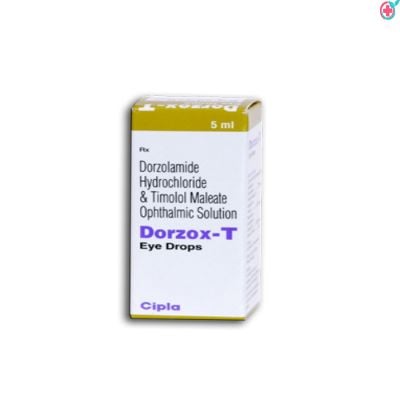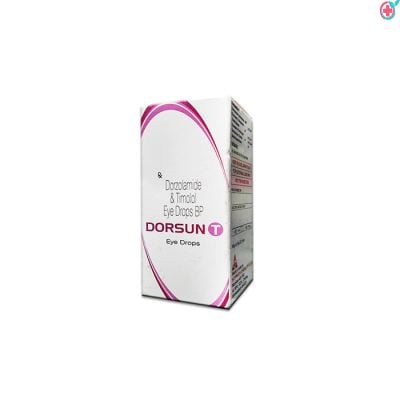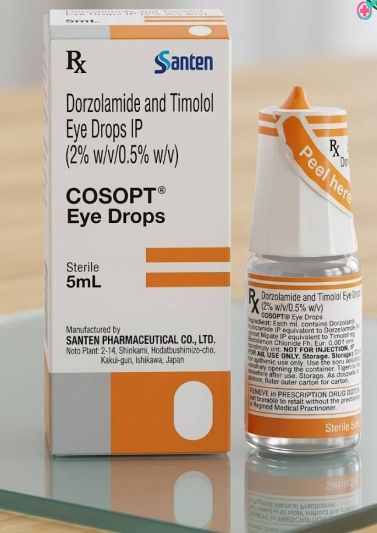
Dorsun Eye Drop (Dorzolamide 2%) | Used for Glaucoma and High Eye Pressure
Dorsun Eye Drop (Dorzolamide 2%) is a medicine used to reduce high intraocular pressure. It helps manage glaucoma and ocular hypertension by lowering fluid pressure inside the eye, protecting vision and preventing optic nerve damage.


Product Overview
Dorsun Eye Drop is a highly effective, ophthalmic solution formulated to reduce intraocular pressure (fluid pressure inside the eye). Elevated internal pressure, if left unmanaged, can systematically damage the optic nerve and eventually progress to permanent vision loss. Classified as an antiglaucoma preparation, this clear solution targets the underlying mechanisms of ocular fluid production to safely control chronic pressure elevations and preserve long-term visual health.
Product Composition
- Active Pharmaceutical Ingredient: Contains Dorzolamide Hydrochloride 2% w/v (equivalent to 20 mg of active dorzolamide per milliliter of solution).
- Therapeutic Formula Class: Belongs to the carbonic anhydrase inhibitor (CAI) class of medications, engineered specifically for localized topical application within the eye.
- Inactive Core Ingredients: Formulated within a sterile aqueous matrix that typically includes hydroxyethyl cellulose, mannitol, sodium citrate, sodium hydroxide (for pH adjustment), and purified water, alongside benzalkonium chloride utilized as an antimicrobial preservative.
Product Specification
| Attribute | Specification |
| Brand Identity | Dorsun Eye Drop |
| Generic Substance | Dorzolamide Hydrochloride |
| Concentration Strength | 2% w/v (Weight by Volume) |
| Dosage Form | Sterile Ophthalmic Solution |
| Primary Indication | Open-angle glaucoma management and ocular hypertension |
| Secondary Indication | Adjunctive therapy paired with topical beta-blockers |
Mechanism of Action
- Enzyme Activity Blockade: The active compound works by selectively binding to and inhibiting the carbonic anhydrase II enzyme located within the ciliary processes of the eye.
- Secretory Inhibition: By blocking this specific chemical pathway, it slows down the synthesis of bicarbonate ions, which are fundamentally required to generate intraocular fluid.
- Aqueous Humor Reduction: This enzyme suppression leads to a direct decrease in the production and secretion of aqueous humor (the clear fluid filling the front of the eye).
- Intraocular Pressure Lowering: With less overall fluid being pumped into the ocular chambers, the internal intraocular pressure (IOP) safely drops, alleviating dangerous mechanical stress on the fragile optic nerve fibers.
Key Benefits
- Targeted Ocular Hypertension Control: Consistently stabilizes and reduces abnormally high internal eye pressure, preventing the critical thresholds that spark glaucomatous damage.
- Optic Nerve Protection: By keeping intraocular pressure within a safe, lower physiological range, it minimizes the risk of progressive, irreversible vision loss.
- Versatile Therapeutic Action: Highly effective when deployed as a standalone treatment (monotherapy) or when utilized synergistically alongside other pressure-lowering agents like beta-blockers.
- Direct Localized Treatment: Delivers strong therapeutic action right to the targeted ocular tissues, minimizing the extensive systemic interactions commonly associated with oral glaucoma medications.
Precautions
Dorsun Eye Drop (Dorzolamide 2%) should be used carefully to ensure safe control of eye pressure and to avoid unwanted effects.
| Precaution | Details |
|---|---|
| Kidney Disease | Use with caution in kidney problems. |
| Eye Irritation | Stop if severe irritation occurs. |
| Contact Lenses | Remove before using eye drops. |
| Allergy | Avoid if allergic to Dorzolamide. |
| Eye Surgery | Inform before any eye procedure. |
| Driving | May cause temporary blurred vision. |
| Long-Term Use | Regular eye pressure checks are needed. |
Important Safety Advice
- Use exactly as directed by a healthcare professional
- Do not touch dropper tip to eye or skin
- Wait before using other eye drops
- Maintain proper hygiene during use
- Do not stop treatment suddenly
When Extra Care Is Needed
- History of glaucoma or eye pressure issues
- Severe kidney impairment
- Persistent eye redness or pain
- Long-term therapy requirement
Usage
Proper application of this carbonic anhydrase inhibitor solution is essential to ensure consistent intraocular pressure reduction and to minimize systemic absorption. Patients must carefully follow standardized ophthalmic administration techniques.
Application Method: Wash hands thoroughly before use. Tilt the head back, look upward, and gently pull down the lower eyelid to form a small pocket. Invert the dropper bottle and squeeze exactly one drop into the pocket.
Contamination Prevention: To keep the solution sterile, do not let the dropper tip touch the eye, eyelid, eyelashes, fingers, or any other surface. Secure the cap tightly immediately after use.
Nasolacrimal Occlusion: Immediately after applying the drop, press firmly on the inner corner of the eye near the nose (the tear duct) for one to two minutes. This prevents the liquid from draining into the nasal cavity, lowering the risk of systemic absorption and the common side effect of a temporary bitter taste.
Multi-Drop Spacing Protocol: If you are prescribed other topical ophthalmic medications, wait at least ten minutes between applying each medication to prevent the second drop from washing out the first one.
Contact Lens Safety: Remove contact lenses prior to application. Wait at least fifteen minutes after instilling the solution before reinserting lenses to prevent the preservative from altering the lens material.
Administration Schedules
| Administrative Parameter | Required Protocol | Clinical Justification |
| Standalone Therapy (Monotherapy) | One drop in the affected eye(s) three times daily | Maintains uniform carbonic anhydrase II enzyme suppression over a twenty-four-hour cycle |
| Combination Therapy | One drop in the affected eye(s) two times daily | Synergizes with a companion medication (such as a beta-blocker) without causing unnecessary ocular washing |
| Missed Dose Routine | Apply immediately, unless the next dose is near | Prevents prolonged baseline fluid pressure spikes while avoiding dangerous over-medication |
| Renal Impairment Check | Use with extreme caution in severe kidney conditions | The medication is cleared systemically through the kidneys and can accumulate if function is severely low |
Uses
Dorsun Eye Drop is primarily utilized within ophthalmology to control fluid dynamics within the anterior chamber of the eye. The principal Dorzolamide uses target clinical conditions characterized by dangerous structural pressure.
Management of Open-Angle Glaucoma: Prescribed as a frontline or adjunctive treatment to lower dangerous internal fluid pressure and prevent progressive, irreversible structural damage to the optic nerve fibers.
Control of Ocular Hypertension: Indicated for patients displaying abnormally high intraocular pressure (IOP) who do not yet exhibit structural visual field defects, reducing their risk of developing full-scale glaucoma.
Reduction of Aqueous Humor Secretion: Deployed to systematically slow down the cellular production of intraocular fluid within the ciliary processes, keeping fluid inflow balanced with ocular drainage.
Secondary Glaucoma Intervention: Utilized selectively to lower elevated ocular pressure spikes caused by internal eye inflammation, structural pigment dispersion, or pseudoexfoliation syndrome.
Side Effects
Dorsun Eye Drop (Dorzolamide 2%) may cause side effects in some patients. Most are mild and temporary, but some may require medical attention.
| Side Effect | Details |
|---|---|
| Burning Sensation | Mild stinging after use. |
| Eye Irritation | Redness or discomfort. |
| Blurred Vision | Temporary vision changes. |
| Bitter Taste | Unpleasant taste in mouth. |
| Dry Eyes | Reduced eye moisture. |
| Headache | Mild pain in head. |
| Watery Eyes | Excess tearing. |
Common Side Effects
- Burning or stinging sensation
- Eye redness and irritation
- Temporary blurred vision
- Bitter taste after application
- Watery eyes
Less Common Effects
- Dry eyes
- Mild headache
- Eye discomfort
- Light sensitivity
Serious Side Effects (Seek Medical Help)
- Severe eye pain or swelling
- Persistent vision changes
- Signs of allergic reaction such as rash or itching
- Worsening eye pressure symptoms
FAQs
Q: What is the product used for?
A: Dorsun Eye Drop is a prescription medication used to lower elevated pressure inside the eye in adults with open-angle glaucoma or ocular hypertension. Lowering this fluid pressure is critical to shield the optic nerve from damage and prevent progressive vision loss.
Q: What is the primary active ingredient in this solution?
A: The active pharmaceutical ingredient is Dorzolamide Hydrochloride 2%, which belongs to a class of medications known as topical carbonic anhydrase inhibitors.
Q: How does this medicine lower internal eye pressure?
A: It works by blocking a specific enzyme in the eye called carbonic anhydrase II. Inhibiting this enzyme slows down the chemical production of aqueous humor (the clear fluid inside the eye), reducing overall fluid volume and lowering internal pressure.
Q: What is the typical daily dosage for this drop?
A: When used as a standalone treatment (monotherapy), the standard dosage is typically one drop in the affected eye(s) three times daily. If it is being used as an adjunctive therapy alongside a beta-blocker eye drop, the frequency is usually one drop twice daily.
Q: Can I use this medication while wearing my contact lenses?
A: No, contact lenses must be removed before instilling the drops. Dorsun contains benzalkonium chloride, a preservative that can be absorbed by soft contact lenses and discolor them or cause eye irritation. Wait at least fifteen minutes after applying the drops before reinserting your lenses.
Q: What should I do if I forget to apply my scheduled dose?
A: Apply the missed drop as soon as you remember. However, if it is almost time for your next regular dose, skip the missed one entirely and return to your standard schedule. Do not instill extra drops to make up for a missed application.
Q: What are the most common side effects of this eye drop?
A: The most frequently reported localized reactions include a temporary bitter taste in the mouth shortly after application, mild ocular burning, stinging, or discomfort, blurred vision, eye redness, tearing, and superficial punctate keratitis (minor corneal irritation).
Q: Are there any special precautions for individuals with a sulfonamide allergy?
A: Yes, Dorzolamide is a sulfonamide compound. Although it is applied topically to the eye, it is absorbed systemically. If you have a known history of severe allergies to "sulfa" drugs, inform your doctor before use, as serious hypersensitivity reactions can occur.
| Manufacturer | : | Sunways, India |
| Trade Name | : | Trusopt |
| Generic Search | : | Dorzolamide |
| Strength | : | 2% w/v |
Certified Content

Dr. Priya Nair
Clinical Pharmacist & Senior Drug Information Specialist | 9 years
Pharm.D. (Doctor of Pharmacy)
Latest Products