Cosopt Eye Drop (Dorzolamide + Timolol) | for Glaucoma and Eye Pressure Control
Cosopt Eye Drop is a combination of Dorzolamide and Timolol, used to lower eye pressure in patients with glaucoma or ocular hypertension, helping prevent vision loss.


Product Overview
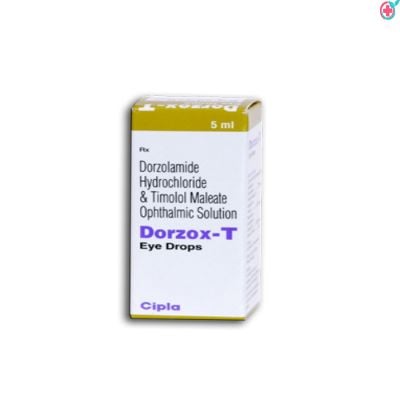
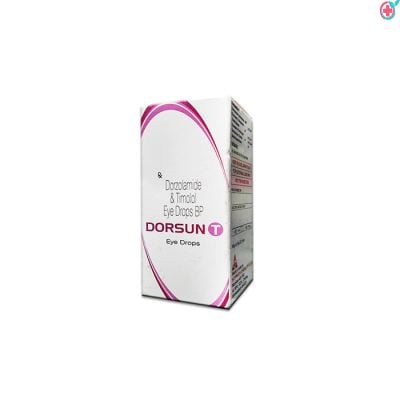
Cosopt Eye Drops is a high-potency antiglaucoma ophthalmic solution containing a synergistic combination of two active ingredients: Dorzolamide and Timolol. This dual-action medication is specifically formulated to lower elevated intraocular pressure (IOP) in patients where single-agent therapy is insufficient. By utilizing two distinct pharmacological pathways, Cosopt provides superior control over fluid dynamics within the eye, significantly reducing the risk of optic nerve damage and vision loss.
Product Composition
- Dorzolamide (as Hydrochloride): A potent Carbonic Anhydrase Inhibitor.
- Timolol (as Maleate): A non-selective Beta-Adrenergic Receptor Blocker.
- Formulation: Sterile aqueous ophthalmic solution.
- Preservative: Typically contains Benzalkonium Chloride (unless using the preservative-free "Unit Dose" version).
Product Specifications
| Feature | Specification |
| Drug Category | Combination Antiglaucoma Agent |
| Therapeutic Class | Ocular Hypotensive |
| Primary Indication | Open-Angle Glaucoma & Ocular Hypertension |
| PH Level | Adjusted for ocular comfort (approx. 5.6) |
| Route of Administration | Topical Ophthalmic (Eye Drops) |
Mechanism of Action
- Reduction of Aqueous Humor Secretion (Dorzolamide): Dorzolamide works by inhibiting the enzyme carbonic anhydrase II in the ciliary processes of the eye. This inhibition slows down the formation of bicarbonate ions, which in turn reduces the secretion of aqueous humor (the fluid inside the eye).
- Beta-Blockade (Timolol): Timolol acts on the beta-adrenergic receptors located in the ciliary epithelium. Its primary action is to further decrease the production of aqueous humor through a different biochemical pathway than Dorzolamide.
- Synergistic Pressure Lowering: The combination of these two mechanisms results in a more significant reduction in intraocular pressure than either drug used alone. Because they both target the production side of fluid dynamics, they effectively lower the "inflow" of fluid into the eye.
- Maintained Outflow: While Cosopt reduces fluid production, it does not interfere with the eye's natural drainage (outflow) systems, helping to establish a lower, more stable baseline pressure.
Key Benefits
- Superior Efficacy: Provides a robust reduction in intraocular pressure, making it an ideal choice for patients who require aggressive management of glaucoma.
- Simplified Dosing Schedule: By combining two medications into a single bottle, it reduces the number of daily drops required, which improves patient compliance and reduces the "washout" effect.
- 24-Hour Control: Effectively maintains lower eye pressure throughout the day and night when used as directed.
- Preservation of Vision: By consistently controlling IOP, it helps prevent the progression of glaucomatous field loss and protects the health of the optic nerve.
- Targeted Delivery: The topical formulation ensures that the medication reaches the ocular tissues directly, minimizing the systemic concentrations compared to oral medications.
- Well-Studied Profile: One of the most clinically documented combination therapies in ophthalmology, with a long-standing record of safety and effectiveness.
Precautions
Medical supervision
- Use Cosopt Eye Drop (Dorzolamide + Timolol) only under ophthalmologist supervision
- Do not change dose or stop treatment without advice
- Regular eye pressure checks are important during treatment
- Long-term use requires ongoing monitoring
Health conditions
| Condition | Precaution |
|---|---|
| Asthma or COPD | Timolol may worsen breathing problems |
| Heart disease | May slow heart rate or affect rhythm |
| Low blood pressure | Risk of dizziness or fainting |
| Diabetes | May mask signs of low blood sugar |
| Kidney or liver disease | Requires careful monitoring |
Eye care precautions
- Remove contact lenses before using drops
- Wait at least 15 minutes before reinserting lenses
- Avoid touching the dropper tip to prevent contamination
- Do not use if solution changes color or becomes cloudy
Systemic effects
- May be absorbed into bloodstream in small amounts
- Can cause fatigue, dizziness, or slow heartbeat in sensitive patients
- Use caution when driving or operating machinery
Application safety
- Wash hands before and after use
- Use exact number of drops as prescribed
- Do not use other eye drops immediately without gap
Monitoring advice
- Regular eye pressure and vision tests are required
- Report eye pain, vision changes, or severe irritation
- Seek immediate help if breathing difficulty or chest pain occurs
Usage
Cosopt Eye Drops must be used exactly as prescribed by an ophthalmologist. Because this medication affects the internal pressure of the eye, consistent application is vital to prevent permanent damage to the optic nerve.
Dosage and Administration
Adhering to the correct instillation technique ensures the medication is absorbed effectively while minimizing potential systemic side effects.
Standard Dosage: The typical dose is one drop in the affected eye(s) two times a day (usually morning and evening).
Instillation Technique:
Wash your hands thoroughly.
Tilt your head back and pull down the lower eyelid to create a small pocket.
Hold the dropper above the eye and squeeze out one drop.
Important: Close your eye and press a finger against the inner corner of the eye (near the nose) for 1 to 2 minutes. This "nasolacrimal occlusion" prevents the drug from draining into the tear duct and entering the bloodstream.
Contact Lenses: Remove contact lenses before applying the drops. Wait at least 15 minutes after instillation before reinserting them, as the preservative (Benzalkonium Chloride) can discolor soft lenses.
Spacing with Other Drops: If using other ophthalmic medications, wait at least 10 minutes between applying Cosopt and the other eye drops.
Avoid Contamination: Do not let the tip of the dropper touch the eye, eyelashes, or any other surface. Keep the bottle tightly closed when not in use.
Consistency: Do not skip doses. Glaucoma is often a "silent" condition, and you may not feel the pressure increasing if you stop the medication.
Storage and Expiry: Use the solution within 28 days of opening the bottle. Discard any remaining liquid after this period.
Missed Dose: Take the missed dose as soon as you remember. However, if it is nearly time for the next dose, skip the missed one. Do not use a double dose.
Uses
Cosopt Eye Drops are indicated for the management of conditions characterized by high internal eye pressure.
Primary Therapeutic Uses
Treatment of Open-Angle Glaucoma: Used to lower intraocular pressure (IOP) in patients with chronic open-angle glaucoma who are not sufficiently controlled by beta-blockers or carbonic anhydrase inhibitors alone.
Management of Ocular Hypertension: Indicated for individuals with elevated eye pressure who are at a high risk of developing glaucoma-related vision loss.
Secondary Glaucoma Control: Occasionally used to manage pressure spikes associated with other ocular conditions or following certain ophthalmic surgeries.
Prevention of Optic Nerve Damage: By maintaining a stable, low IOP, the medication helps prevent the "cupping" of the optic nerve head.
Visual Field Preservation: Long-term use aims to stop or slow the progression of peripheral vision loss (blind spots) caused by high pressure.
Alternative for Multi-Drug Regimens: Provides a convenient option for patients who would otherwise need to carry and instill two separate bottles of Dorzolamide and Timolol
Side effects
Common side effects
- Burning or stinging in the eye after instillation
- Eye redness or irritation
- Blurred vision temporarily after use
- Bitter taste in mouth
- Dry eyes or watery eyes
Eye-related effects
- Eye discomfort or itching
- Sensitivity to light
- Mild swelling of eyelids
- Foreign body sensation in the eye
Systemic effects (rare)
- Headache
- Dizziness
- Fatigue or weakness
- Slow heart rate (bradycardia)
Respiratory effects
- Shortness of breath (especially in asthma/COPD patients)
- Wheezing or breathing difficulty (rare but serious)
Cardiovascular effects
- Low blood pressure
- Irregular heartbeat
- Chest discomfort
Serious side effects (rare)
| Serious effect | Possible signs |
|---|---|
| Severe allergic reaction | Swelling of face/eyes, rash, breathing difficulty |
| Severe eye irritation | Persistent pain, vision changes, swelling |
| Heart problems | Very slow heartbeat, fainting |
| Severe breathing issues | Wheezing, chest tightness, shortness of breath |
Important warning
- Stop use and seek medical help if severe eye pain, vision changes, or breathing difficulty occurs
- Regular eye pressure and vision monitoring is important during treatment
- Use only under ophthalmologist supervision for safe long-term control
FAQs
Q: What is Cosopt Eye Drop used for?
A: Cosopt Eye Drop is used to lower raised intraocular pressure (IOP) in patients with open-angle glaucoma and ocular hypertension. It is used when a beta-blocking eye drop alone is not sufficient to control eye pressure.
Q: How does Cosopt Eye Drop work?
A: Dorzolamide works by inhibiting the carbonic anhydrase enzyme in the eye, reducing the production of aqueous humour (fluid in the eye). Timolol works by blocking beta receptors in the eye, also reducing fluid production. Together, they lower intraocular pressure more effectively than either medicine alone, protecting the optic nerve from damage.
Q: How should Cosopt Eye Drop be used?
A: Wash your hands before use. Tilt your head back slightly and pull down the lower eyelid to form a pouch. Place one drop of Cosopt into the affected eye twice daily. Close your eye and press your finger on the inner corner of the eye for one minute to prevent the medicine from draining into the nose. Do not let the dropper tip touch your eye or any surface.
Q: What are the common side effects of Cosopt Eye Drop?
A: Common side effects include bitter or unusual taste in the mouth, burning or stinging in the eye, eye redness, blurred vision, itchy eyes, and watery eyes. Most are mild and resolve on their own. Consult your doctor if they persist or worsen.
Q: What are the serious side effects of Cosopt Eye Drop?
A: Serious side effects include severe breathing problems, heart failure, slow or irregular heartbeat, severe allergic reactions, and serious sulfonamide skin reactions.
Q: Who should not use Cosopt Eye Drop?
A: Avoid if you are allergic to Dorzolamide, Timolol, or sulfa-containing medicines. Also avoid if you have asthma, chronic obstructive pulmonary disease (COPD), severe sinus bradycardia, second or third degree heart block, overt heart failure, or cardiogenic shock.
Q: Can Cosopt Eye Drop be used during pregnancy?
A: The safety of Cosopt Eye Drop during pregnancy has not been fully established. Consult your doctor before using this medicine if you are pregnant or planning to become pregnant.
Q: Is Cosopt Eye Drop safe during breastfeeding?
A: Cosopt Eye Drop is not recommended during breastfeeding. Consult your doctor before using this medicine while breastfeeding.
Q: Can Cosopt Eye Drop be used in children?
A: Cosopt Eye Drop can be used in children above 2 years of age. It is not known if it is safe and effective in children 2 years of age and younger. Always consult your doctor before using it in children.
Q: Can I wear contact lenses while using Cosopt Eye Drop?
A: Remove soft contact lenses before applying Cosopt Eye Drop. Wait at least 15 minutes before reinserting them. If you are using the preservative-free version (Cosopt PF), you may not need to remove contact lenses. Consult your doctor for guidance.
Q: If I am using other eye drops, can I use them at the same time as Cosopt?
A: If you are using other eye drops, wait at least 5 minutes between each eye drop to prevent one medicine from washing out the other. Ask your doctor or pharmacist for the correct order of application.
Q: Can Cosopt Eye Drop affect blood pressure or heart rate?
A: Yes, Timolol in Cosopt Eye Drop may be absorbed into the bloodstream and can lower blood pressure or slow heart rate. Inform your doctor if you have any heart or blood pressure conditions before using this medicine.
Q: Can Cosopt Eye Drop affect breathing?
A: Yes, Timolol in Cosopt Eye Drop may cause breathing problems in patients with asthma or COPD. Seek immediate medical attention if you experience difficulty breathing while using this medicine.
Q: Can Cosopt Eye Drop be used in patients with kidney or liver disease?
A: Cosopt Eye Drop should be used with caution in patients with kidney or liver disease as Dorzolamide is primarily eliminated by the kidneys. Always inform your doctor about any kidney or liver conditions before starting treatment.
Interactions
Other eye drops
- Using multiple eye drops may affect absorption
- Maintain a gap of at least 10–15 minutes between different drops
- Avoid mixing drops unless advised by an ophthalmologist
Beta-blocker medicines (oral or injectable)
- Timolol may increase effects of other beta-blockers
- Can lead to slow heart rate or low blood pressure
- Careful monitoring is required
Calcium channel blockers
- May enhance heart rate-lowering effects
- Increased risk of dizziness or fatigue
- Use only under medical supervision
Anti-diabetic medicines
- May mask signs of low blood sugar (especially Timolol)
- Patients should monitor glucose levels regularly
- Awareness of hypoglycemia symptoms is important
Asthma/COPD medicines
- Beta-blocker component may reduce effectiveness of bronchodilators
- Can worsen breathing in sensitive patients
- Avoid or use only under strict supervision
Other glaucoma medicines
- May be used together in combination therapy
- Requires careful dose adjustment and monitoring of eye pressure
General advice
- Inform doctor about all medicines, including eye drops and tablets
- Avoid self-medication with multiple pressure-lowering agents
- Regular eye and heart monitoring may be needed during long-term use
| Manufacturer | : | Santen India Pvt Ltd |
| Trade Name | : | Cosopt |
| Generic Search | : | Dorzolamide + Timolol |
| Strength | : | 2% w/v + 0.5% w/v |
Certified Content

Dr. Priya Nair
Clinical Pharmacist & Senior Drug Information Specialist | 9 years
Pharm.D. (Doctor of Pharmacy)
Latest Products