Defcort Tablet (Deflazacort) | Used for Asthma, Allergies and Immune Disorders
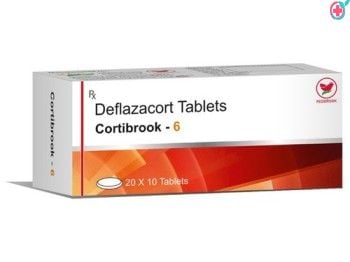
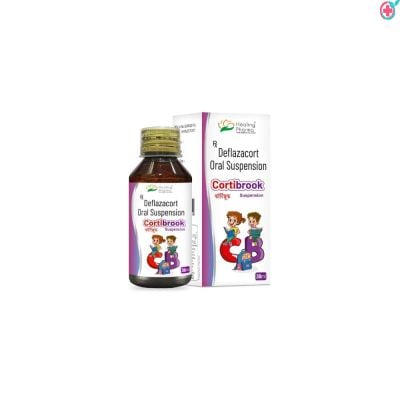
Defcort Tablet contains Deflazacort, a corticosteroid medicine used to treat inflammation, allergies, asthma, and various autoimmune conditions. It works by reducing the body’s immune response, thereby decreasing swelling, redness, and pain. This medicine is commonly prescribed for conditions such as arthritis, skin allergies, respiratory disorders, and other inflammatory diseases.


Product Overview
Defcort Tablet is used to treat inflammation, allergies, asthma, and various autoimmune conditions. It works by reducing the body’s immune response, thereby decreasing swelling, redness, and pain. Defcort Tablet contains Deflazacort, a glucocorticoid used primarily for its potent anti-inflammatory and immunosuppressive properties. It is a derivative of prednisolone but is often associated with a lower incidence of certain side effects, such as bone density loss and metabolic impact, making it a preferred option for long-term corticosteroid therapy in many clinical scenarios.
Product Composition
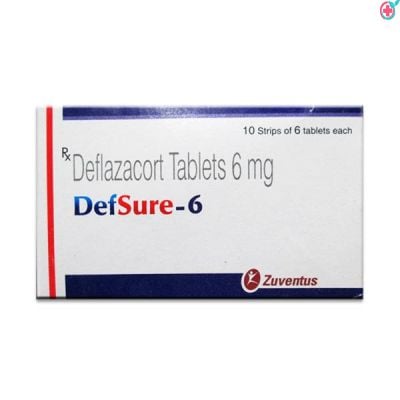
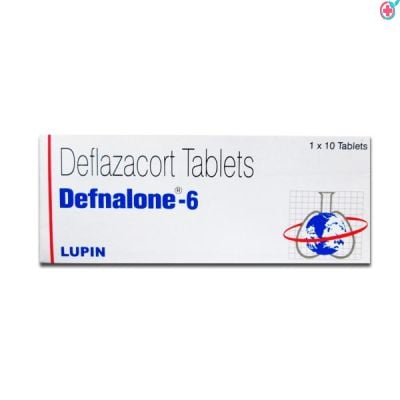
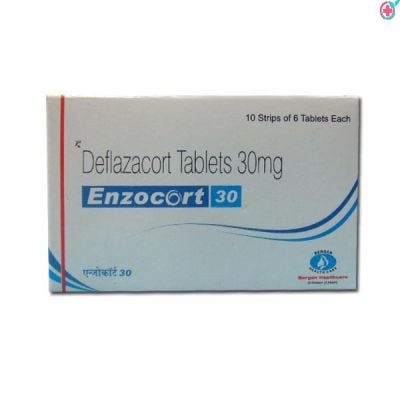
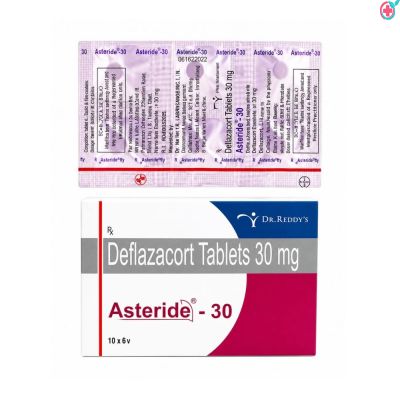
- Active Ingredient: Deflazacort (available in various strengths, typically 1mg, 6 mg, 12 mg, 18 mg, 24mg or 30 mg).
- Class: Glucocorticoid (corticosteroid).
- Mechanism: Synthetic derivative that acts as a prodrug; it is rapidly converted in the body to its active metabolite, 21-desacetyldeflazacort.
Product Specifications
| Feature | Details |
| Brand Name | Defcort Tablet |
| Generic Name | Deflazacort |
| Therapeutic Category | Systemic Corticosteroid |
| Primary Use | Autoimmune, inflammatory, and allergic conditions |
Mechanism of Action
- Anti-inflammatory Action: It binds to glucocorticoid receptors to inhibit the synthesis of inflammatory mediators (like prostaglandins and leukotrienes), effectively reducing redness, swelling, and pain.
- Immunosuppression: It suppresses the immune system's response by inhibiting the activation and proliferation of lymphocytes, which is crucial in managing autoimmune disorders and preventing organ transplant rejection.
- Metabolic Regulation: Like other corticosteroids, it affects glucose, protein, and lipid metabolism to achieve its therapeutic effect, though its chemical structure is designed to offer a more favorable side-effect profile regarding carbohydrate metabolism compared to older corticosteroids.
Key Benefits
- High Efficacy: Highly effective in managing severe inflammatory and autoimmune responses.
- Favorable Safety Profile: Often exhibits a reduced impact on bone metabolism and glucose levels compared to traditional corticosteroids like prednisone, potentially allowing for better tolerability during prolonged treatment.
- Versatility: Utilized across a wide spectrum of medical disciplines, including rheumatology, dermatology, neurology, and respiratory medicine.
Precautions
Medical Supervision
- Use Defcort Tablet (Deflazacort) only under strict medical prescription
- Do not change dose or stop suddenly without doctor’s advice
- Long-term use requires regular monitoring
Dosage and Administration
- Take exactly as prescribed, preferably after food to reduce stomach irritation
- Do not miss doses or double dose if one is missed
- Gradual tapering may be required when stopping the medicine
Infection Risk
- This medicine lowers immune response and may increase risk of infections
- Avoid contact with people having active infections
- Inform doctor if you develop fever, sore throat, or signs of infection
Blood Sugar and Metabolic Effects
- May increase blood sugar levels, especially in diabetic patients
- Monitor glucose regularly if you have diabetes
- May also cause weight gain or fluid retention
Bone and Muscle Effects
- Long-term use may lead to bone weakness (osteoporosis)
- Ensure adequate calcium and vitamin D intake as advised
- Report muscle weakness or bone pain to your doctor
Vaccination Precautions
- Avoid live vaccines during treatment unless approved by doctor
- Inform healthcare provider before any vaccination
Special Populations
- Use in pregnancy and breastfeeding only if clearly prescribed
- Children require careful dose adjustment and monitoring
- Elderly patients may be more sensitive to side effects
| Precaution Type | Recommendation |
|---|---|
| Usage | Only under medical supervision |
| Stopping medicine | Do not stop abruptly |
| Infection risk | Avoid exposure to infections |
| Blood sugar | Monitor in diabetic patients |
| Bone health | Risk of long-term bone loss |
| Vaccination | Avoid live vaccines without advice |
Usage
Defcort (Deflazacort) is a powerful systemic corticosteroid. Proper adherence to the prescribed dosing regimen and monitoring schedule is vital to maximize therapeutic benefits and minimize the risks associated with long-term steroid use.
Dosage and Administration
Dosing: Dosage must be strictly individualized based on the specific condition being treated, the severity of the disease, and the patient's clinical response. Follow your physician’s instructions exactly.
Consistency: Take the tablets at the same time each day, preferably with food or milk to reduce the risk of gastrointestinal irritation.
Tapering: Never discontinue use abruptly. Always follow the physician-prescribed tapering schedule to allow the adrenal glands to recover their natural function.
Monitoring: Regular check-ups are required to monitor blood pressure, blood glucose, electrolytes, and bone density, especially during extended courses of therapy.
Administration Guidelines
| Instruction | Recommended Action |
| Timing | Take once daily, ideally in the morning with food |
| Consistency | Strictly follow the tapering schedule |
| Reporting | Inform your doctor if signs of infection occur |
| Storage | Store in a cool, dry place away from children |
Uses
Autoimmune Disorders: Effective in managing systemic conditions such as rheumatoid arthritis, systemic lupus erythematosus, and polymyalgia rheumatica.
Allergic Reactions: Used to treat severe allergic states, including asthma, allergic rhinitis, and severe drug hypersensitivity reactions that do not respond to conventional therapy.
Neurological Conditions: Often prescribed in the management of Duchenne muscular dystrophy to maintain muscle strength and delay the progression of the disease.
Dermatological Conditions: Utilized in the treatment of severe, persistent skin disorders such as pemphigus and severe psoriasis.
Inflammatory Disorders: Provides potent anti-inflammatory relief for conditions affecting the eyes, blood, and gastrointestinal tract (e.g., ulcerative colitis).
Side effects
Common Side Effects
- Increased appetite
- Weight gain
- Indigestion or stomach discomfort
- Mood changes (irritability, anxiety)
- Fluid retention (swelling in hands or feet)
Less Common Side Effects
- Difficulty sleeping (insomnia)
- High blood sugar levels
- Acne or skin changes
- Increased sweating
- Muscle weakness
Serious Side Effects
| Serious Side Effect | Symptoms | What to Do |
|---|---|---|
| Severe infection risk | Fever, sore throat, persistent illness | Seek medical attention immediately |
| Stomach ulcers or bleeding | Severe stomach pain, black stools, vomiting blood | Stop and seek emergency care |
| Severe mood changes | Depression, confusion, unusual behavior | Consult doctor urgently |
| Osteoporosis (long-term use) | Bone pain, fractures | Seek medical evaluation |
| Adrenal suppression | Extreme fatigue, weakness, dizziness | Do not stop suddenly; consult doctor |
Monitoring
General Health Monitoring
- Track weight gain and appetite changes
- Monitor mood and sleep patterns
Blood Sugar Monitoring
- Regular glucose checks, especially in diabetic patients
- Watch for symptoms like increased thirst or urination
Infection Monitoring
- Be alert for fever or signs of infection due to lowered immunity
- Avoid exposure to contagious illnesses
Long-term Safety Monitoring
- Regular bone health assessment if used long-term
- Do not discontinue suddenly without medical supervision
- Report any unusual or severe symptoms immediately
FAQs
Q: What is Defcort primarily used for?
A: Defcort (Deflazacort) is a corticosteroid used to treat a wide variety of inflammatory, allergic, and autoimmune conditions, including asthma, rheumatoid arthritis, severe skin conditions, and certain neurological disorders.
Q: How does Deflazacort differ from other steroids like prednisone?
A: While it functions similarly to other glucocorticoids, Deflazacort is often associated with a reduced impact on bone metabolism and blood glucose levels, potentially making it a better-tolerated option for long-term therapy.
Q: Can I stop taking Defcort abruptly?
A: No. You must never stop taking this medication abruptly. Sudden withdrawal can cause a serious adrenal crisis. Your doctor will guide you through a gradual dose-tapering schedule to allow your body to adjust.
Q: What are the common side effects?
A: Common side effects may include increased appetite, weight gain, fluid retention, difficulty sleeping (insomnia), and mood changes. Prolonged use requires regular monitoring by your physician.
Q: Does it weaken the immune system?
A: Yes, as an immunosuppressant, it can reduce your body's ability to fight off infections. It is important to avoid close contact with people who have contagious illnesses while taking this medication.
Q: Can it be taken with food?
A: Yes, it is generally recommended to take Defcort with food or milk to minimize potential stomach upset.
Q: Will it affect my blood sugar?
A: It can potentially raise blood glucose levels. If you have diabetes, your blood sugar levels should be monitored closely, and you may need adjustments to your diabetes management plan.
Q: Is it safe for children?
A: Deflazacort is sometimes used in pediatric populations, specifically for conditions like Duchenne muscular dystrophy. However, its use must be strictly supervised by a pediatrician, as corticosteroids can impact growth and development.
Interactions
NSAIDs (Painkillers like Ibuprofen, Diclofenac)
- May increase risk of stomach irritation, ulcers, or bleeding
- Use together only if prescribed and with caution
Antidiabetic Medicines (Insulin, Oral Hypoglycemics)
- Defcort Tablet (Deflazacort) may increase blood sugar levels
- Dose adjustment of diabetes medicines may be required
- Regular glucose monitoring is important
Vaccines (Especially Live Vaccines)
- May reduce vaccine effectiveness and increase infection risk
- Avoid live vaccines during treatment unless advised by doctor
Anticoagulants (Blood Thinners like Warfarin)
- May alter bleeding risk
- Requires careful monitoring of blood clotting parameters
Other Corticosteroids
- Combining with other steroids may increase risk of side effects
- Avoid duplication unless specifically prescribed
Diuretics (Water Pills)
- May increase risk of low potassium levels when used together
- Monitoring of electrolytes may be required
Anticonvulsants & Enzyme Inducers (e.g., Phenytoin, Rifampicin)
- May reduce effectiveness of deflazacort
- Dose adjustment may be needed
| Interacting Drug Type | Possible Effect | Recommendation |
|---|---|---|
| NSAIDs | Increased stomach irritation/bleeding | Use with caution |
| Antidiabetic drugs | Increased blood sugar | Monitor glucose |
| Vaccines | Reduced immunity response | Avoid live vaccines |
| Blood thinners | Altered bleeding risk | Monitor closely |
| Other steroids | Increased side effects | Avoid combination |
| Diuretics | Electrolyte imbalance | Monitor potassium |
| Enzyme inducers | Reduced effectiveness | Adjust dose if needed |
| Manufacturer | : | Macleods Pharma, India |
| Trade Name | : | Emflaza |
| Generic Search | : | Deflazacort |
| Strength | : | 1 mg, 6 mg, 12 mg, 18 mg, 24 mg, 30 mg |
Certified Content

Dr. Priya Nair
Clinical Pharmacist & Senior Drug Information Specialist | 9 years
Pharm.D. (Doctor of Pharmacy)
Latest Products