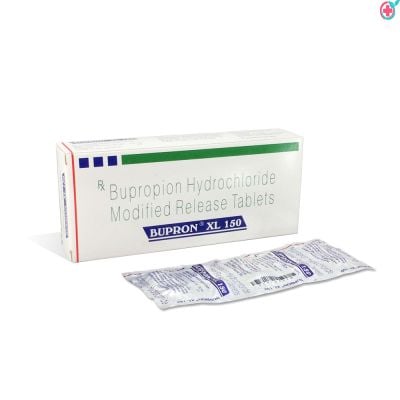
Bupron SR 150mg Tablet (Bupropion) Used to Treat Major Depression, SAD, And Help People Quit Smoking
Bupron SR 150mg (Bupropion) is used to stop smoking in nicotine-dependent patients along with motivational support, treat major depressive disorder, and prevent seasonal affective disorder. Bupropion belongs to a group of medicines called antidepressants. Bupropion works by blocking the reuptake of certain neurotransmitters in the brain, including catecholamines. Wellbutrin SR is another trade name for Bupropion SR.


Product Overview
Bupron SR 150 mg Tablet is an antidepressant and smoking-cessation medicine containing Bupropion HCl used to treat depressive disorders, seasonal affective disorder (SAD), and smoking cessation. It belongs to the aminoketone class of antidepressants and works primarily as a norepinephrine-dopamine reuptake inhibitor (NDRI). By increasing the availability of norepinephrine and dopamine in the brain, Bupron SR may help improve mood, energy, motivation, and concentration in people with major depressive disorder. Bupropion SR is also used as part of a smoking-cessation program to help reduce nicotine cravings and withdrawal symptoms.
In combination with motivational support, it is a valuable medication used to help nicotine-dependent patients quit smoking. Nicotine, an addictive chemical in cigarettes and tobacco products, can make quitting challenging, but Bupron SR can significantly improve the chances of success.
How Bupron SR Works
Bupron SR belongs to a class of medications called antidepressants. Its mechanism of action involves blocking the reuptake of catecholamines, a specific chemical substance in the brain. By doing so, Bupron SR helps restore a balance of these chemicals, which plays a crucial role in regulating mood and can aid in smoking cessation. Obtain your Bupropion SR prescription conveniently. Our platform connects you with qualified healthcare professionals who can assess your medical needs and provide appropriate drugs for Bupropion SR, ensuring safe and responsible medication usage.
Product Composition
Active Ingredient: Bupropion Hydrochloride (SR)
Strength: Bupron SR 150 mg
Release Mechanism: Sustained-Release (SR) for 12-hour coverage
Pharmacological Class: Norepinephrine-Dopamine Reuptake Inhibitor (NDRI)
Primary Uses: Major depressive disorder and smoking cessation
Mechanism of Action
- Bupron SR works differently from many commonly prescribed antidepressants, particularly SSRIs. Its effects are primarily related to the neurotransmitters norepinephrine and dopamine.
- Norepinephrine-Dopamine Reuptake Inhibition: Bupropion inhibits the reuptake of norepinephrine and dopamine, increasing their availability between nerve cells.
- Mood Regulation: Increased activity of these neurotransmitters may help reduce symptoms associated with depression, including low mood, reduced motivation, and lack of energy.
- Smoking Cessation Support: Bupropion can help reduce nicotine cravings and some withdrawal symptoms, making it useful as part of a structured smoking-cessation program.
- Limited Serotonergic Activity: Unlike SSRIs, bupropion has relatively little direct effect on serotonin reuptake, which contributes to its different side-effect profile.
- Gradual Drug Release: The SR formulation releases bupropion over an extended period, helping maintain medication levels between doses.
Key Benefits
- Helps Manage Depression: Used in the treatment of major depressive disorder when prescribed by a healthcare professional.
- Supports Smoking Cessation: Can reduce nicotine cravings and withdrawal symptoms when used as part of a quit-smoking plan.
- May Improve Energy and Motivation: Its effects on norepinephrine and dopamine may help with symptoms such as low energy and reduced motivation.
- May Support Concentration: Some patients may experience improvement in attention and concentration as depressive symptoms improve.
- Different Side-Effect Profile: Because bupropion primarily affects norepinephrine and dopamine rather than serotonin, its side-effect profile differs from many SSRIs.
- Sustained-Release Formulation: Bupron SR 150 mg is formulated to release the medicine gradually rather than all at once.
Important: Bupron SR 150 mg should be taken only as prescribed. The tablet should generally be swallowed whole and should not be crushed, chewed, or broken, as altering a sustained-release tablet can affect how the medicine is released. Bupropion can increase the risk of seizures in susceptible individuals, so it is particularly important to inform the doctor about a history of seizures, eating disorders, significant alcohol use, or medicines that may lower the seizure threshold.
Precautions
General Safety Guidelines
Take Bupron SR 150 mg Tablet exactly as prescribed by your doctor for depression or smoking cessation.
Take the medicine at the prescribed times each day to maintain consistent levels of bupropion in your body.
Do not increase, decrease, or change the dose without medical advice.
Do not stop Bupropion treatment without consulting your doctor, particularly when it has been prescribed for depression.
Swallow the Bupron SR tablet whole. Do not crush, chew, or split it, as this may interfere with its sustained-release properties.
Allergy and Sensitivity
Do not take Bupron SR 150 mg if you are allergic to Bupropion or any of its ingredients.
Seek immediate medical attention if you develop signs of a serious allergic reaction, such as:
Rash or hives
Severe itching
Swelling of the face, lips, tongue, or throat
Difficulty breathing or swallowing
Use in Special Populations
Pregnancy: Tell your doctor if you are pregnant or planning to become pregnant before taking bupropion. Your doctor will determine whether the potential benefits outweigh the risks.
Breastfeeding: Bupropion can pass into breast milk. Consult your doctor before using it while breastfeeding.
Older adults: Elderly patients may require closer monitoring because age-related changes in kidney or liver function can affect how the medicine is processed.
Children and adolescents: Use only when specifically prescribed by a healthcare professional.
Seizure disorders: Bupropion can increase the risk of seizures and may not be appropriate for people with a seizure disorder.
Health and Medical Considerations
| Condition | Precautions |
|---|---|
| Seizure disorders | Bupropion may increase seizure risk and is generally contraindicated in patients with a seizure disorder. |
| Eating disorders | Generally contraindicated in patients with current or previous anorexia nervosa or bulimia nervosa because of increased seizure risk. |
| Liver disease | Use cautiously; dosage adjustment may be required depending on the severity of liver impairment. |
| Kidney disease | Dose or frequency adjustments may be necessary in patients with impaired kidney function. |
| High blood pressure | Bupropion may increase blood pressure; blood pressure monitoring may be recommended. |
| Bipolar disorder | Antidepressants may precipitate manic, hypomanic, or mixed episodes in susceptible patients. |
| Head injury or other seizure-risk conditions | Inform your doctor because these conditions may increase seizure risk. |
Drug and Lifestyle Considerations
Inform your doctor about all prescription medicines, over-the-counter medicines, vitamins, and herbal supplements you are taking.
Tell your doctor if you use other medicines that can increase the risk of seizures or affect bupropion metabolism.
Do not use Bupron SR together with monoamine oxidase inhibitors (MAOIs) or within the specified interval after stopping an MAOI, unless specifically directed by your doctor.
Limit or avoid alcohol. Heavy alcohol use or abrupt withdrawal from alcohol may increase the risk of seizures.
Monitor your blood pressure if you have hypertension or are advised by your doctor to do so.
Maintain regular sleep, a balanced diet, and a healthy lifestyle to support your overall treatment plan.
Administration and Storage Guidelines
Take Bupron SR 150 mg with or without food, according to your prescription.
Take doses at approximately the same time each day.
Swallow the tablet whole with water. Do not crush, chew, or split the sustained-release tablet.
If you miss a dose, follow your doctor's or pharmacist's instructions rather than taking extra tablets to make up for the missed dose.
Store the medicine at room temperature in a dry place, away from excessive heat, moisture, and direct sunlight.
Keep Bupron SR 150 mg out of reach of children and pets.
Do not use the medicine after its expiry date.
Usage
Bupron SR 150 mg Tablet is a sustained-release formulation of Bupropion Hydrochloride. It is designed to release the medicine gradually over time. Taking it correctly is important to maintain the intended therapeutic effect while minimizing the risk of adverse reactions, particularly seizures.
Dosage and Administration
The appropriate dose and dosing frequency depend on the condition being treated, individual response, and medical history. Always follow the prescription provided by your healthcare professional.
Method of Intake: Swallow the Bupron SR 150 mg tablet whole with water. Do not crush, chew, or split the tablet unless specifically instructed by your doctor or pharmacist.
With or Without Food: Bupron SR can generally be taken with or without food. Taking it consistently in relation to meals may help minimize stomach discomfort.
Timing: Take each dose at the time prescribed by your doctor. If the medicine causes difficulty sleeping, your healthcare professional may recommend taking doses earlier in the day.
Consistency: Take the medicine regularly and at approximately the same times each day. Do not take more than the prescribed amount.
Treatment Duration: Antidepressant effects may take several weeks to become fully noticeable. Continue treatment as prescribed even if improvement is not immediate.
Smoking Cessation: When prescribed to help quit smoking, bupropion is generally started before the planned quit date. Your healthcare professional will advise when you should stop smoking and how long treatment should continue.
Missed Dose: If you forget a dose, do not take an extra tablet to compensate. Follow your prescribed schedule and consult your doctor or pharmacist if you are unsure what to do.
Stopping Treatment: Do not stop Bupron SR or change the dose without medical advice.
Administration Guidelines
| Purpose of Treatment | Bupron SR Strength | Administration |
|---|---|---|
| Major Depressive Disorder | 150 mg | Taken according to the individual prescription |
| Smoking Cessation | 150 mg | Usually initiated before the planned quit date and taken according to the prescribed regimen |
| Ongoing/Maintenance Treatment | 150 mg | Continued or adjusted according to treatment response and medical guidance |
Important: The dosing schedule for Bupron SR is not necessarily the same as the schedule for Bupron XL. Do not substitute one formulation for the other or change the dosing frequency without consulting your healthcare professional.
Uses
Bupron SR 150 mg contains bupropion, which primarily affects the neurotransmitters norepinephrine and dopamine. Its established clinical uses include:
Major Depressive Disorder (MDD): Used to help manage symptoms of depression, including persistent low mood, loss of interest, reduced motivation, and low energy.
Smoking Cessation: Bupropion can help reduce nicotine cravings and withdrawal symptoms and may improve the likelihood of successfully quitting smoking when combined with a structured cessation plan.
Other Potential Uses
Bupropion may be prescribed for certain conditions outside its primary approved indications in some clinical settings. However, these uses depend on the patient's circumstances and local prescribing guidelines.
Depressive Symptoms Associated With Other Conditions: A healthcare professional may consider bupropion in selected patients when its particular pharmacological profile is appropriate.
Off-Label Use: Bupropion has been studied or prescribed off-label for conditions such as ADHD in certain patients, but it should not be presented as a routine or universally approved treatment for these conditions.
Bupron SR should be used only for the condition for which it has been prescribed. It should not be used as a general cognitive enhancer, energy supplement, or weight-loss medicine.
Side Effects
Like other medicines, Bupron SR 150 mg (Bupropion) may cause side effects. Many are mild and may improve as the body adjusts to treatment. The likelihood and severity of side effects can vary depending on the dose, individual health conditions, and other medicines being taken.
Common Side Effects
Some of the more commonly reported side effects include:
Dry mouth
Insomnia or difficulty sleeping
Headache
Nausea or stomach discomfort
Dizziness
Nervousness or restlessness
Increased sweating
Constipation
Tremor
These effects may be more noticeable when treatment is first started and may improve with continued treatment.
Other Possible Side Effects
Some people may experience:
Anxiety or agitation
Reduced appetite
Weight loss
Vomiting
Abdominal discomfort
Changes in taste
Blurred vision
Increased heart rate
Increased blood pressure
Weight loss can occur in some people taking bupropion, but Bupron SR should not be used as a weight-loss medicine.
Rare but Serious Side Effects
Seek prompt medical attention if you experience any serious or unusual symptoms, including:
Seizures: Bupropion can increase the risk of seizures, particularly at higher doses or in people with specific risk factors.
Severe allergic reactions: Symptoms may include widespread rash or hives, swelling of the face, lips, tongue, or throat, and difficulty breathing.
Significant mood or behavioral changes: Severe agitation, unusual changes in behavior, worsening depression, suicidal thoughts, or other concerning psychiatric symptoms require prompt medical evaluation.
Mania or hypomania: People with bipolar disorder may experience unusually elevated mood, reduced need for sleep, racing thoughts, or increased impulsivity.
Severe hypertension: A significant increase in blood pressure can occur, particularly in certain patients or when combined with nicotine-replacement therapy.
Serious liver problems: Although uncommon, symptoms such as yellowing of the skin or eyes, unusually dark urine, or persistent severe abdominal discomfort should be evaluated by a healthcare professional.
Potential Side Effects by Body System
| System / Condition | Potential Side Effects |
|---|---|
| Nervous System | Headache, dizziness, insomnia, tremor, restlessness |
| Gastrointestinal System | Nausea, vomiting, dry mouth, constipation, abdominal discomfort |
| Cardiovascular System | Increased blood pressure, increased heart rate |
| Psychiatric / Mood | Anxiety, agitation, nervousness, mood changes, insomnia |
| Allergic Reactions | Rash, hives, itching, swelling, difficulty breathing |
| Seizure Risk | Seizures, particularly in people with risk factors or excessive doses |
| Hepatic System | Rare liver-related reactions; seek medical attention for jaundice or dark urine |
When to Contact a Doctor
Contact your healthcare professional if side effects are severe, persistent, or interfere with your daily activities. Seek emergency medical attention for a seizure, severe allergic reaction, severe confusion, or other potentially life-threatening symptoms.
Recommendations
Take Bupron SR 150 mg exactly as prescribed and do not exceed the recommended dose.
Swallow the sustained-release tablet whole; do not crush, chew, or split it unless specifically instructed.
Do not take extra tablets if you miss a dose, as excessive bupropion exposure can increase seizure risk.
Inform your doctor about any history of seizures, eating disorders, bipolar disorder, high blood pressure, liver disease, or kidney disease.
Report significant changes in mood, behavior, or mental health promptly.
Do not stop treatment or change the dose without consulting your healthcare professional.
Avoid excessive alcohol consumption, as heavy alcohol use or sudden withdrawal may increase seizure risk.
FAQs
Q: How long does Bupron SR 150 mg take to start working?
A: For depression, some people may notice early improvements in energy, sleep, or concentration within the first 1–2 weeks. However, the full antidepressant effect may take several weeks and can vary between individuals. When used for smoking cessation, bupropion is generally started before the planned quit date so that it can begin working before smoking is stopped.
Q: Can I crush or chew Bupron SR 150 mg tablets?
A: No. Bupron SR 150 mg should be swallowed whole with water. Do not crush, chew, or split the tablet unless your doctor or pharmacist specifically tells you otherwise. Altering a sustained-release tablet can affect how bupropion is released and may increase the risk of adverse effects, including seizures.
Q: What should I do if I miss a dose of Bupron SR 150 mg?
A: If you miss a dose, follow your doctor's or pharmacist's instructions. In general, do not take an extra dose to make up for a missed dose. Taking doses too close together can increase the risk of side effects and seizures.
Q: Does Bupron SR 150 mg cause weight gain?
A: Bupropion is generally less associated with weight gain than many other antidepressants, and some people may experience weight loss during treatment. However, individual responses vary, and it should not be considered a weight-loss medicine.
Q: Can I drink alcohol while taking Bupron SR 150 mg?
A: It is advisable to avoid or minimize alcohol while taking bupropion. Heavy alcohol consumption or suddenly stopping regular heavy alcohol use can increase the risk of seizures. Discuss your alcohol intake with your healthcare professional.
Q: Can Bupron SR 150 mg affect sleep?
A: Yes. Bupropion may cause insomnia, restlessness, or increased alertness in some people. If sleep problems occur, your doctor may recommend adjusting the timing of your doses. Do not change your dosing schedule without medical advice.
Q: What is the difference between Bupron SR and Bupron XL?
A: Both contain bupropion, but they use different modified-release formulations. SR (Sustained Release) is designed to release bupropion gradually and is commonly prescribed in divided doses, while XL (Extended Release) is formulated for once-daily administration. The exact dosing schedule should be determined by your doctor.
Q: Can Bupron SR 150 mg be used for smoking cessation if I am not depressed?
A: Yes. Bupropion can be prescribed for smoking cessation independently of depression. It may help reduce nicotine cravings and withdrawal symptoms as part of a structured quit-smoking program.
Q: Can Bupron SR 150 mg be used for anxiety?
A: Bupron SR is not primarily indicated for treating anxiety disorders. In some people, bupropion may cause or worsen anxiety, nervousness, or restlessness, particularly when treatment is started. If you have an anxiety disorder, discuss your symptoms and treatment options with your doctor.
Q: Does Bupron SR 150 mg increase the risk of seizures?
A: Yes. Bupropion can increase the risk of seizures, particularly at higher doses or in people with certain risk factors. It is generally contraindicated in people with seizure disorders and certain eating disorders. Tell your doctor about any history or condition that may increase seizure risk before starting treatment.
Q: Can I stop Bupron SR 150 mg suddenly?
A: Do not stop or change your dose without consulting your doctor. Your healthcare professional can determine whether treatment should be continued, adjusted, or discontinued based on your condition and response to therapy.
Interactions
Drug Interactions
Inform your doctor about all prescription medicines, over-the-counter medicines, vitamins, and supplements you are taking before starting Bupron SR 150 mg.
Important interactions include:
MAO inhibitors (MAOIs): Bupron SR should not be used with MAO inhibitors or within the recommended interval after stopping an MAOI because the combination may cause serious reactions.
Other antidepressants: Combining bupropion with other antidepressants may increase the risk of adverse effects and, with certain medicines, may increase seizure risk.
Medicines that lower the seizure threshold: Drugs such as tramadol, some antipsychotics, and certain antidepressants may increase seizure risk when used with bupropion.
Antipsychotic medicines: Some antipsychotics may interact with bupropion and may also increase seizure risk.
CYP2D6 substrates: Bupropion strongly inhibits the CYP2D6 enzyme, which can increase blood levels of certain medicines, including some antidepressants, antipsychotics, beta-blockers, and antiarrhythmic medicines.
Warfarin and other medicines: Tell your doctor if you take warfarin or other medicines requiring regular monitoring, as medication adjustments or additional monitoring may sometimes be necessary.
Nicotine replacement products: When bupropion is combined with nicotine patches or other nicotine-replacement therapy, blood pressure may increase, so blood pressure monitoring may be recommended.
Herbal supplements: Inform your doctor about products such as St. John's Wort, as herbal supplements can affect medicines and may alter treatment response or side-effect risk.
Food and Lifestyle Interactions
Food: Bupron SR 150 mg can generally be taken with or without food. Taking it consistently in relation to meals may help minimize stomach discomfort.
Alcohol: Avoid excessive alcohol consumption. Heavy alcohol use or sudden withdrawal from regular alcohol consumption can increase the risk of seizures.
Caffeine: Excessive caffeine may worsen nervousness, restlessness, tremor, or insomnia in some people taking bupropion.
Smoking cessation: If Bupron SR is being used to help stop smoking, follow your healthcare professional's recommended smoking-cessation plan.
Maintain adequate sleep, hydration, and a balanced lifestyle during treatment.
Health Condition Interactions
| Condition | Interaction Precautions |
|---|---|
| Seizure disorders | Bupropion can increase seizure risk and is generally contraindicated in patients with a seizure disorder. |
| Eating disorders | Generally contraindicated in patients with current or previous anorexia nervosa or bulimia nervosa because of increased seizure risk. |
| Liver disease | Bupropion metabolism may be affected; dosage adjustment and monitoring may be required. |
| Kidney disease | Reduced kidney function may affect exposure to bupropion and its metabolites; dose or frequency adjustment may be necessary. |
| High blood pressure | Bupropion may increase blood pressure. Blood pressure should be monitored when clinically appropriate. |
| Bipolar disorder | May precipitate manic, hypomanic, or mixed episodes in susceptible individuals. |
| Conditions increasing seizure risk | Head injury, central nervous system tumors, or other factors that lower the seizure threshold should be discussed with a doctor before treatment. |
Other Considerations
Always provide your doctor or pharmacist with a complete list of medicines and supplements you use.
Do not start, stop, or change another medication without medical advice while taking Bupron SR 150 mg.
Seek medical attention for unusual symptoms such as seizures, severe agitation, significant mood changes, confusion, or a substantial increase in blood pressure.
If Bupron SR is prescribed for smoking cessation, report significant changes in mood or behavior to your healthcare professional.
Regular medical follow-up may be recommended to assess treatment response, tolerability, blood pressure, and other potential risks.
| Manufacturer | : | A. Menarini India Pvt Ltdine HCL) |
| Trade Name | : | Wellbutrin SR |
| Generic Search | : | Bupropion HCl |
| Strength | : | 150 mg |
Certified Content

Dr. Priya Nair
Clinical Pharmacist & Senior Drug Information Specialist | 9 years
Pharm.D. (Doctor of Pharmacy)
Latest Products