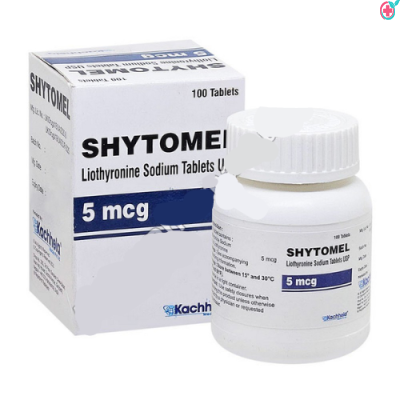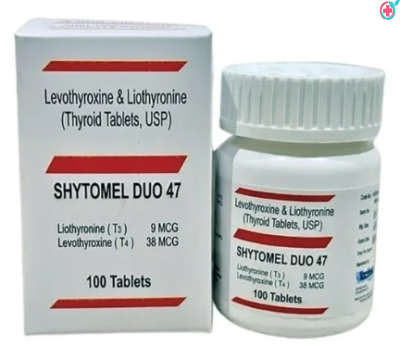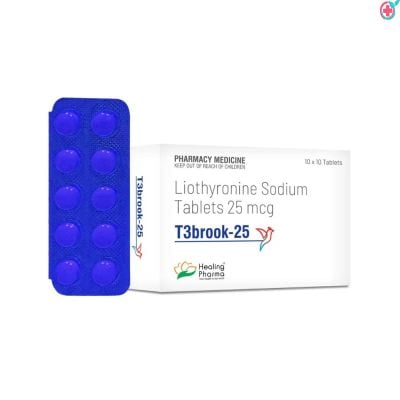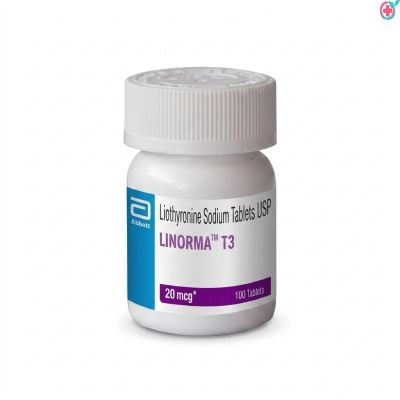
T3 Cytomel Tablets (Liothyronine Sodium) | T3 Thyroid Hormone for Hypothyroidism Treatment
T3 Cytomel (liothyronine sodium) is a synthetic thyroid hormone used to treat hypothyroidism, goiter, and thyroid cancer by boosting metabolism. It helps regulate metabolism, energy levels, and overall thyroid function.


Product Overview
T3 Cytomel Tablets is commonly prescribed for individuals with underactive thyroid gland (hypothyroidism), thyroid hormone suppression tests, and certain thyroid disorders. They help restore normal thyroid hormone levels, improve metabolism, increase energy, and support overall hormonal balance when the body does not produce enough thyroid hormone naturally. T3 Cytomel is a potent synthetic form conntaining Liothyronine Sodium a naturally occurring thyroid hormone triiodothyronine. Unlike other thyroid medications that require the body to convert them into an active state, T3 Cytomel provides the active hormone directly. This allows for a rapid onset of action, making it a critical treatment for individuals with severe thyroid deficiencies or those who do not respond effectively to standard T4-only therapies.
Product Composition
The efficacy of this medication is centered on its primary active hormonal agent:
- Liothyronine Sodium: A synthetic version of the T3 hormone, which is the most metabolically active form of thyroid hormone in the human body.
Product Specification
| Feature | Details |
| Therapeutic Class | Thyroid Hormone Replacement |
| Active Ingredient | Liothyronine Sodium |
| Dosage Form | Oral Tablet |
| Primary Indication | Hypothyroidism (Underactive Thyroid) |
| Common Strength | 25 mcg |
Mechanism of Action
T3 Cytomel works by directly supplementing the body's primary metabolic driver, ensuring that cellular processes function at the correct speed:
- Direct Metabolic Activation: Because it is already in the T3 form, the medication does not need to be converted by the liver or kidneys. It enters the cells and binds to thyroid receptors immediately to stimulate metabolic activity.
- Regulation of Energy Expenditure: It controls the rate at which cells burn nutrients and oxygen to produce energy (ATP), helping to maintain a steady basal metabolic rate.
- Thermoregulation: The hormone helps regulate body temperature by increasing the heat production generated through cellular metabolism.
- Protein Synthesis & Growth: It plays a vital role in the synthesis of proteins and the development of the central nervous system, ensuring that tissue repair and growth occur at a normal pace.
Key Benefits
- Rapid Symptom Relief: Due to its active nature, patients often experience a faster improvement in symptoms like fatigue, brain fog, and cold intolerance compared to other thyroid medications.
- Effective T4/T3 Combination Therapy: It can be used alongside T4 medications (like Levothyroxine) for patients who have difficulty converting T4 to the active T3 hormone.
- Optimized Metabolic Rate: Helps correct a sluggish metabolism, which can assist in managing weight gain associated with an underactive thyroid.
- Improved Cognitive Function: Effectively addresses "brain fog" and lethargy, supporting better mental clarity and focus.
- Support for Severe Cases: This medication is often the preferred choice in clinical settings for treating myxedema coma, a severe and life-threatening form of hypothyroidism, due to its quick action.
Precautions
T3 Cytomel Tablets (Liothyronine Sodium) should be used carefully under strict medical supervision to ensure safe and effective thyroid hormone replacement therapy.
Medical Conditions to Inform Your Doctor
| Condition | Why It Matters |
|---|---|
| Heart disease (angina, arrhythmia) | T3 can increase heart rate and worsen cardiac conditions |
| High blood pressure | May increase cardiovascular strain |
| Diabetes | Can affect blood sugar control and insulin requirements |
| Adrenal insufficiency | Must be treated before starting thyroid hormone therapy |
| Osteoporosis | Long-term use may increase risk of bone loss |
| Thyroid disorders (other than hypothyroidism) | Requires careful dose adjustment |
Dosage and Monitoring
- Take exactly as prescribed by your doctor
- Regular thyroid function tests (T3, T4, TSH) are required
- Do not stop or change dose suddenly without medical advice
Cardiovascular Precautions
- May increase heart rate and cause palpitations
- Use with caution in elderly patients or those with heart conditions
- Report chest pain, irregular heartbeat, or shortness of breath immediately
Pregnancy and Breastfeeding
- Use only under strict medical supervision during pregnancy
- Dose adjustments may be required
- Thyroid levels must be closely monitored
General Advice
- Take on an empty stomach for better absorption
- Avoid self-medication or dose escalation
- Inform your doctor about all medicines and supplements you are taking
- Overuse may lead to symptoms of hyperthyroidism such as anxiety, sweating, or weight loss
Usage
The effective use of T3 Cytomel depends on consistent timing and adherence to professional medical advice to ensure maximum efficacy and safety.
Dosage
The dosage is highly individualized based on the patient's current thyroid hormone levels, age, and overall cardiovascular health. It is often started at a low dose and adjusted gradually.
| Aspect | Recommendation |
| Standard Frequency | Usually taken once daily |
| Missed Dose | Take as soon as remembered; do not double the dose to catch up |
| Monitoring | Requires regular blood tests to check TSH and T3 levels |
| Adjustment | Dose changes should only be made under strict medical supervision |
Administration
Consistency: Take the tablet at the same time every day to maintain a stable level of the hormone in your bloodstream. Most patients prefer taking it in the morning.
Whole Consumption: Swallow the tablet with a full glass of water.
Absorption: For the best results, it is often recommended to take thyroid hormones on an empty stomach, at least 30 to 60 minutes before breakfast.
Avoid Interference: Do not take T3 Cytomel at the same time as calcium supplements, antacids, or iron tablets, as these can significantly reduce the absorption of the medication.
Uses
T3 Cytomel is a targeted hormonal therapy used to replace or supplement natural thyroid hormones when the body is unable to produce enough on its own.
Treatment of Hypothyroidism: It is used to manage an underactive thyroid (hypothyroidism), restoring normal metabolic function and energy levels.
Goiter Prevention and Treatment: This medication helps in the management of various types of euthyroid goiters (enlarged thyroid gland) by suppressing the secretion of Thyroid Stimulating Hormone (TSH).
Diagnostic Tool: It is used in the T3 suppression test to help differentiate between certain types of hyperthyroidism and thyroid autonomy.
T4-to-T3 Conversion Support: Prescribed for patients who do not see clinical improvement on T4-only medications (Levothyroxine) because their bodies cannot efficiently convert T4 into the active T3 hormone.
Myxedema Coma Management: Due to its rapid onset of action, it is a primary treatment in emergency settings for severe, life-threatening thyroid deficiency.
Side Effects
T3 Cytomel Tablets (Liothyronine Sodium) may cause side effects, especially if the dose is higher than required or the body is sensitive to thyroid hormones. Most effects are related to increased metabolism.
Common Side Effects
- Increased heart rate (palpitations)
- Anxiety or nervousness
- Excessive sweating
- Tremors (shaking hands)
- Weight loss
- Difficulty sleeping
- Increased appetite
Less Common Side Effects
- Headache
- Diarrhea
- Heat intolerance
- Menstrual irregularities
- Muscle weakness
- Fatigue after initial dose adjustment
Serious Side Effects
| Serious Condition | Symptoms |
|---|---|
| Hyperthyroidism (overdose effect) | Rapid heartbeat, chest pain, severe anxiety, excessive sweating |
| Cardiac complications | Irregular heartbeat, shortness of breath, chest discomfort |
| Severe allergic reaction | Rash, swelling of face/lips, difficulty breathing |
| Bone loss (long-term use) | Increased risk of fractures, especially in prolonged high-dose therapy |
Important Advice
- Take only the prescribed dose to avoid overdose symptoms
- Regular thyroid function tests are essential
- Report chest pain, severe palpitations, or unusual symptoms immediately
- Do not stop or change dosage without medical supervision
FAQs
1. What is Cytomel used for?
It is used to treat hypothyroidism and other thyroid-related disorders by replacing low thyroid hormone (T3).
2. Is Cytomel safe for long-term use?
Yes—when monitored by a doctor. Regular thyroid level testing is required.
3. Can Cytomel help with weight loss?
No. It should not be used for weight loss, as misuse can be dangerous.
4. How long does Cytomel take to work?
Some effects may be felt in a few days, but full therapeutic effects often take a few weeks. This varies per person.
5. Can I take Cytomel with other thyroid medications?
Sometimes doctors combine T3 and T4 therapy, but this should only be done under medical supervision.
6. What happens if I miss a dose?
Follow your doctor’s instructions. Do not double doses.
7. Can pregnant or breastfeeding women take Cytomel?
Often yes, but dosage may need adjustment. Professional medical advice is required.
Interactions
T3 Cytomel Tablets (Liothyronine Sodium) may interact with several medicines and conditions, which can affect thyroid hormone levels, heart function, and treatment effectiveness.
Thyroid and Hormone Related Medicines
| Medicine Class | Interaction Effect |
|---|---|
| Levothyroxine (T4) | May require careful dose adjustment to avoid over or under treatment |
| Antithyroid drugs (e.g., methimazole, propylthiouracil) | May reduce effectiveness of T3 therapy |
| Estrogen therapy (oral contraceptives, HRT) | May increase thyroid hormone binding, affecting dose requirements |
Cardiovascular Medicines
- Beta blockers (e.g., propranolol) may have altered effectiveness due to changes in metabolism
- Digoxin may have reduced levels and decreased therapeutic effect
- Antiarrhythmic drugs may have increased risk of altered heart rhythm effects
Metabolic and Diabetes Medicines
- Insulin may require higher doses due to increased metabolism
- Oral antidiabetic drugs may need dose adjustment based on blood sugar response
Other Medicines
- Antidepressants (especially tricyclics) may increase risk of heart-related side effects
- Corticosteroids may have altered effectiveness due to thyroid hormone changes
- Blood thinners like warfarin may have increased effect and require closer monitoring
General Advice
- Always inform your doctor about all prescription and OTC medicines
- Regular monitoring of thyroid levels is essential during therapy
- Do not start or stop any medication without medical supervision
| Manufacturer | : | POWERBOLIC PHARMA |
| Trade Name | : | Cytomel T3 |
| Generic Search | : | Liothyronine |
| Strength | : | 25 mg |
Certified Content

Dr. Priya Nair
Clinical Pharmacist & Senior Drug Information Specialist | 9 years
Pharm.D. (Doctor of Pharmacy)
Latest Products