
Liothyronine Sodium (Generic for Cytomel)
- Generic: Liothyronine SodiumTrade Name: Cytomel T330 Tablet/s$16.60
- Generic: Liothyronine SodiumTrade Name: Cytomel T3100 Tablet/s$126.00
- Generic: Liothyronine SodiumTrade Name: Cytomel T3100 tablet/s$12.60
- Generic: Liothyronine SodiumTrade Name: Cytomel T330 Tablet/s$4.80
- Generic: LiothyronineTrade Name: Cytomel T31 bottle$21.86

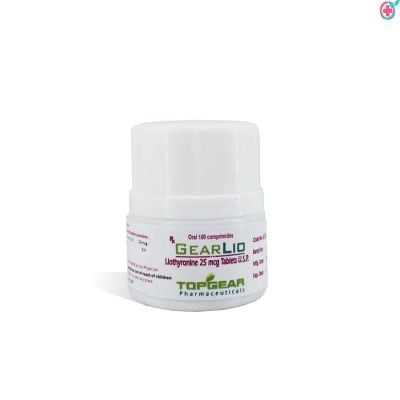

Liothyronine Sodium (Generic for Cytomel) – Overview, Uses, Mechanism & Safety
Liothyronine sodium is a synthetic form of the thyroid hormone triiodothyronine (T3) used in the medical management of certain thyroid conditions. It plays an important role in regulating metabolism, energy production, and the body’s use of proteins, fats, and carbohydrates.
This page provides clear, evidence‑based information about liothyronine sodium, how it works, its medical uses, and important safety considerations.
What is Liothyronine Sodium?
Liothyronine Sodium is a prescription medicine used to treat thyroid hormone deficiency. It is the synthetic form of triiodothyronine (T3), one of the two main hormones produced by your thyroid gland. Liothyronine plays a crucial role in regulating metabolism, energy levels, and overall body functions.
This medicine is commonly prescribed for:
- Hypothyroidism: A condition where your thyroid does not produce enough hormones.
- Myxedema coma: A rare, severe form of hypothyroidism requiring urgent treatment.
- Other thyroid disorders: Sometimes used alongside levothyroxine or in special cases where rapid thyroid hormone replacement is needed.
- Liothyronine Sodium is the generic equivalent of Cytomel, offering the same active ingredient, effectiveness, and safety, but at a more affordable price.
How Does Liothyronine Sodium Work?
Thyroid hormones are essential regulators of many physiological processes, including:
- Metabolic rate
- Heart function
- Body temperature
- Energy generation
- Protein and fat metabolism
Liothyronine sodium provides supplemental T3, which enters cells and binds to thyroid hormone receptors to influence gene expression and metabolic activity.
Because T3 is the more active thyroid hormone (compared to thyroxine/T4), liothyronine acts more rapidly and potently.
Main Uses of Liothyronine Sodium
1. Hypothyroidism
Liothyronine may be prescribed when the thyroid gland is underactive and does not produce enough thyroid hormone. It may be used:
- As a short‑term treatment to rapidly correct low hormone levels
- In combination with levothyroxine (synthetic T4) in specific cases
2. Thyroid Cancer Follow‑Up
In certain thyroid cancer protocols, liothyronine may be used temporarily when thyroid hormone withdrawal is needed before diagnostic testing or radioactive iodine treatment.
3. Other Clinical Situations
In carefully selected cases where conversion of T4 to T3 is impaired, liothyronine may be considered under medical supervision.
Liothyronine must be prescribed and monitored by a qualified healthcare professional.
Onset and Duration of Effect
Liothyronine is absorbed relatively quickly and begins to exert effects sooner than T4 formulations such as levothyroxine. Blood levels rise within hours after a dose, and clinical effects can be seen more rapidly, which is why it may be chosen in situations requiring quick hormone replacement.
Benefits of Using Liothyronine Sodium
- Effective Thyroid Hormone Replacement: Quickly restores deficient T3 levels to normal.
- Improves Metabolism: Helps increase energy, regulate body temperature, and support weight management.
- Treats Severe Hypothyroidism: Essential in managing myxedema coma and other critical thyroid conditions.
- Affordable Generic Option: Provides the same quality and results as branded Cytomel at lower cost.
Dosage Information
The dosage of Liothyronine Sodium depends on your individual condition, age, weight, and response to treatment. Always follow your doctor’s instructions carefully.
- Starting Dose: Typically low, around 5 mcg to 25 mcg daily, to avoid overstimulation.
- Adjustment: Your doctor may increase your dose gradually based on thyroid function tests.
- Administration: Usually taken once or multiple times daily on an empty stomach for best absorption.
Never change your dose or stop taking Liothyronine Sodium without consulting your healthcare provider.
Safety and Potential Side Effects
Like all medications, Liothyronine Sodium may cause side effects in some people. Most are mild and temporary, but be aware of the following:
Common Side Effects:
- Increased heart rate or palpitations
- Nervousness or anxiety
- Tremors or shakiness
- Headache
- Sweating
- Weight loss
Serious Side Effects (seek immediate medical attention):
- Chest pain or tightness
- Severe headache
- Shortness of breath
- Signs of an allergic reaction (rash, itching, swelling)
If you experience any side effects, contact your healthcare provider promptly. They can adjust your dosage or suggest alternatives if needed.
Important Safety Considerations
Cardiovascular Risks
Individuals with heart disease, high blood pressure, or irregular heart rhythms should be monitored carefully, as thyroid hormones can increase cardiac workload.
Bone Health
Long‑term overtreatment may contribute to osteoporosis (weakened bones), particularly in older adults.
Pregnancy and Breastfeeding
Thyroid hormone needs can change during pregnancy. Use of liothyronine in pregnancy should be guided by a clinician with experience in managing thyroid disorders.
Drug Interactions
Liothyronine may interact with anticoagulants (blood thinners), insulin, and other medications. A healthcare provider should review all current medications before prescribing.
How It Differs from Other Thyroid Medications
Liothyronine provides T3, the active thyroid hormone, while other thyroid therapies like levothyroxine provide T4, which the body must convert to T3. The choice between T3, T4, or combination therapy depends on clinical context and lab results.
Precautions and Interactions
- Before taking Liothyronine Sodium, inform your doctor if you:
- Have heart disease, high blood pressure, or adrenal gland problems
- Are pregnant, planning to become pregnant, or breastfeeding
- Have diabetes (may affect blood sugar control)
- Are taking other medications, especially blood thinners, diabetes drugs, or other thyroid medications
Avoid taking Liothyronine Sodium with calcium, iron supplements, or antacids within 4 hours, as they can reduce its absorption.
Summary
- Liothyronine sodium is a synthetic form of the active thyroid hormone T3.
- It is used to manage hypothyroidism and in specific diagnostic or therapeutic settings under medical supervision.
- It works more rapidly than T4 medications but requires careful dosing and monitoring.
- Safety considerations include cardiovascular effects, bone health, and close medical follow‑up.
FAQs
Q1: Where can I buy Liothyronine Sodium (Generic for Cytomel) medicine online?
A1: You can buy Liothyronine Sodium (Generic for Cytomel) medicine online from trusted pharmacies like OnlineGenericMedicine.com, which offer genuine and affordable generic versions with home delivery.
Q2: Is Liothyronine Sodium (Generic for Cytomel) medication available without a prescription?
A2: Liothyronine Sodium (Generic for Cytomel) is a prescription medication. You should consult a licensed healthcare provider before using it to ensure safety and correct dosage.
Q3: Is Liothyronine Sodium (Generic for Cytomel) as effective as the brand-name version?
A3: Yes, generic Liothyronine Sodium (Generic for Cytomel) contains the same active ingredients, strength, and effectiveness as the brand-name drug, but is usually more affordable.
Q4: How should I take Liothyronine Sodium (Generic for Cytomel) medication?
A4: Always follow your doctor’s instructions for dosage and usage. Do not change the dose or stop the medication without medical advice.
Q5: What are the common side effects of Liothyronine Sodium (Generic for Cytomel)?
A5: Common side effects may include Increased heart rate or palpitations, Nervousness or anxiety, Headache. Contact your doctor if any symptoms persist or worsen.
Q6: Can I use Liothyronine Sodium (Generic for Cytomel) medicine if I'm pregnant or breastfeeding?
A6: Some medications may not be safe during pregnancy or breastfeeding. Consult your doctor before starting Liothyronine Sodium (Generic for Cytomel) in such cases.
Q7: How do I store Liothyronine Sodium (Generic for Cytomel) medication?
A7: Store Liothyronine Sodium (Generic for Cytomel) in a cool, dry place away from direct sunlight and out of reach of children. Always check the packaging for specific storage instructions.
Q8: What should I do if I miss a dose of Liothyronine Sodium (Generic for Cytomel)?
A8: Take the missed dose as soon as you remember. If it’s almost time for your next dose, skip the missed one. Do not double the dose to catch up.
Q9: What is the difference between Liothyronine and Levothyroxine?
A9: Liothyronine is synthetic T3, the active thyroid hormone that works faster, while levothyroxine is synthetic T4, which the body converts to T3 and has a longer, steadier effect; treatment choice depends on individual thyroid needs and medical guidance.

